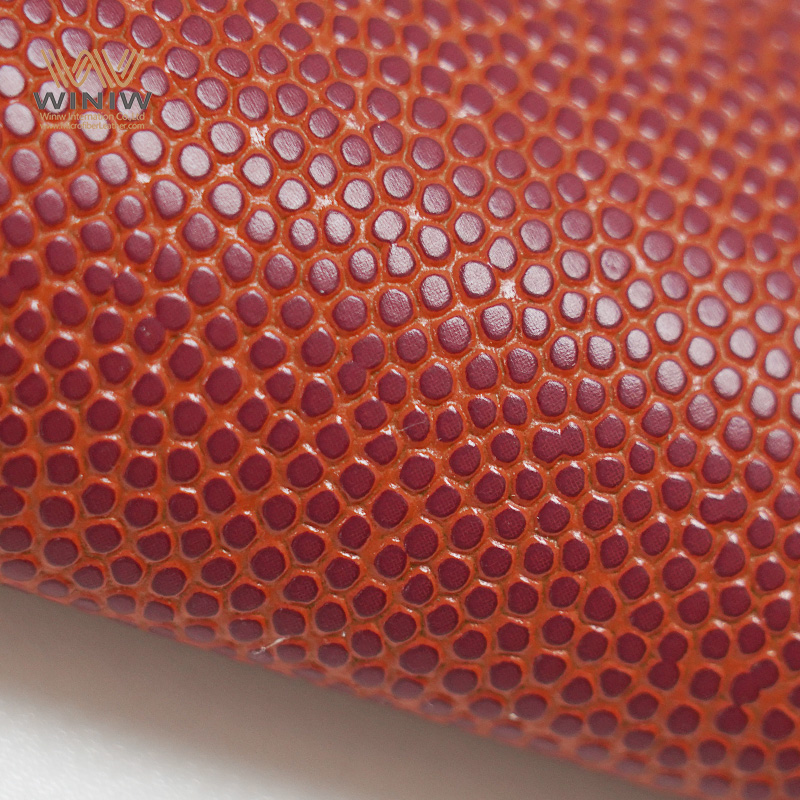
Le origini della fabbrica di palloni da calcio in PU risalgono allo spirito competitivo suscitato da La separazione di Puma dai fratelli Dassler, che ha guidato l'innovazione nelle attrezzature sportive. Sialkot è diventata un polo centrale per la produzione di palloni da calcio, plasmando la distribuzione globale di palloni da calcio. Il passaggio dalla pelle al poliuretano ha trasformato la produzione, rendendo i palloni da calcio più resistenti e accessibili. Oggi, fabbriche in Pakistan, Cina e India soddisfano la crescente domanda e sostengono la cultura calcistica mondiale.
Le fabbriche di palloni da calcio in PU iniziarono grazie all'innovazione di Puma dopo la separazione dei fratelli Dassler, dando impulso alla concorrenza nel settore delle attrezzature sportive.
Sialkot, in Pakistan, produce circa il 70% dei palloni da calcio cuciti a mano del mondo, unendo l'artigianato tradizionale ai materiali moderni.
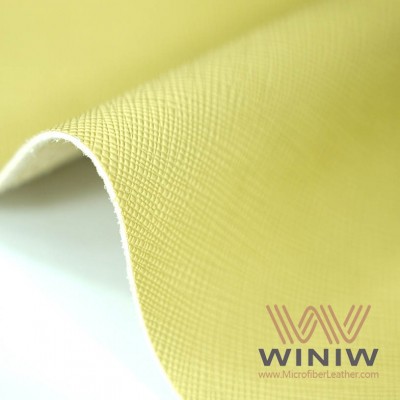
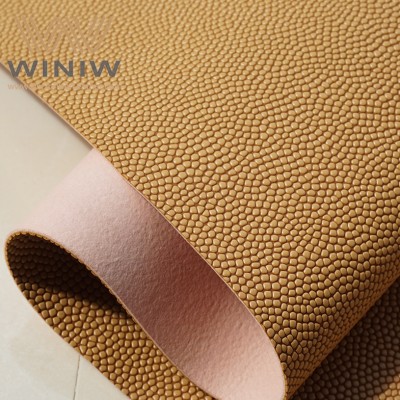
IL passaggio dalla pelle al poliuretano (PU) ha reso i palloni da calcio più durevoli, resistenti all'acqua e accessibili ai giocatori di tutto il mondo.
L'automazione e la tecnologia avanzata hanno trasformato la produzione del calcio, aumentando l'efficienza e riducendo i costi.
La domanda globale di palloni da calcio ha portato alla crescita di fabbriche in Cina e India, ampliando la portata del settore.
La creazione di posti di lavoro nel settore manifatturiero del calcio ha migliorato gli standard di vita in regioni come Sialkot, sostenendo le economie locali.
I palloni da calcio a prezzi accessibili promuovono l'attività fisica e l'impegno della comunità, rendendo lo sport accessibile a più persone.
Gli sforzi per la sostenibilità stanno aumentando, con fabbriche che esplorano materiali ecocompatibili e programmi di riciclaggio per ridurre l'impatto ambientale.
La storia della fabbrica di palloni da calcio in PU ha inizio con la rivalità tra due fratelli in Germania. Rudolf e Adolf Dassler iniziarono il loro percorso insieme, creando scarpe sportive all'inizio del XX secolo. La loro collaborazione terminò e Rudolf fondò Puma. Questa divisione alimentò la competizione e l'innovazione nel settore delle attrezzature sportive. Puma divenne rapidamente leader nella produzione di palloni da calcio, introducendo nuovi materiali e design. L'attenzione dell'azienda alla qualità e alle prestazioni stabilì standard elevati per il settore. L'influenza di Puma si estese oltre i confini tedeschi, ispirando altri marchi a migliorare i propri metodi di produzione di palloni da calcio.
Il settore ha visto una rapida crescita con la crescente popolarità del calcio in tutto il mondo. Le aziende hanno investito in ricerca e sviluppo per creare prodotti migliori. La fabbrica di palloni da calcio in poliuretano è nata in risposta alla necessità di palloni più resistenti e convenienti. Il poliuretano ha sostituito la pelle tradizionale, offrendo una migliore resistenza all'acqua e prestazioni costanti. Questo cambiamento ha segnato una svolta nella produzione di palloni da calcio. Le fabbriche hanno adottato nuove tecniche e macchinari, aumentando la capacità produttiva e l'efficienza. Il settore ha ampliato la sua portata, fornendo palloni a club, scuole e tornei internazionali.
Sialkot, una città del Pakistan, è diventata una potenza nel panorama delle fabbriche di palloni da calcio in poliuretano. La sua reputazione è cresciuta grazie alla maestria artigianale e alla solida tradizione nella produzione di palloni da calcio cuciti a mano. Le fabbriche di Sialkot hanno unito metodi tradizionali a materiali moderni come il poliuretano sintetico e il PVC. I palloni da calcio della città sono stati riconosciuti per la loro qualità e convenienza. Questa reputazione ha portato a una crescente domanda da parte dei mercati internazionali.
Sialkot produce circa Il 70% dei palloni da calcio cuciti a mano nel mondo.
Gli artigiani locali fondono tecniche antiche e nuove tecnologie.
I prodotti della città restano accessibili e di alta qualità.
Il successo di Sialkot nella produzione di palloni da calcio ha trasformato l'economia locale e ha stabilito uno standard globale per la produzione di palloni da calcio.
Forward Sports, con sede a Sialkot, ha svolto un ruolo chiave nella crescita della città. L'azienda è diventata un importante fornitore per i tornei FIFA. Forward Sports si è concentrata sull'innovazione e sul controllo qualità, guadagnandosi la fiducia delle principali organizzazioni. La partnership con la FIFA ha dimostrato la capacità di Sialkot di soddisfare rigorosi standard internazionali. Questa collaborazione ha evidenziato l'importanza della città nel settore della produzione di palloni da calcio in poliuretano. Forward Sports continua a essere leader nella produzione, supportando la crescita del calcio in tutto il mondo.
Nota: il percorso di Sialkot da centro artigianale locale a leader mondiale nella produzione di palloni da calcio dimostra la forza dell'innovazione e della tradizione che lavorano insieme.
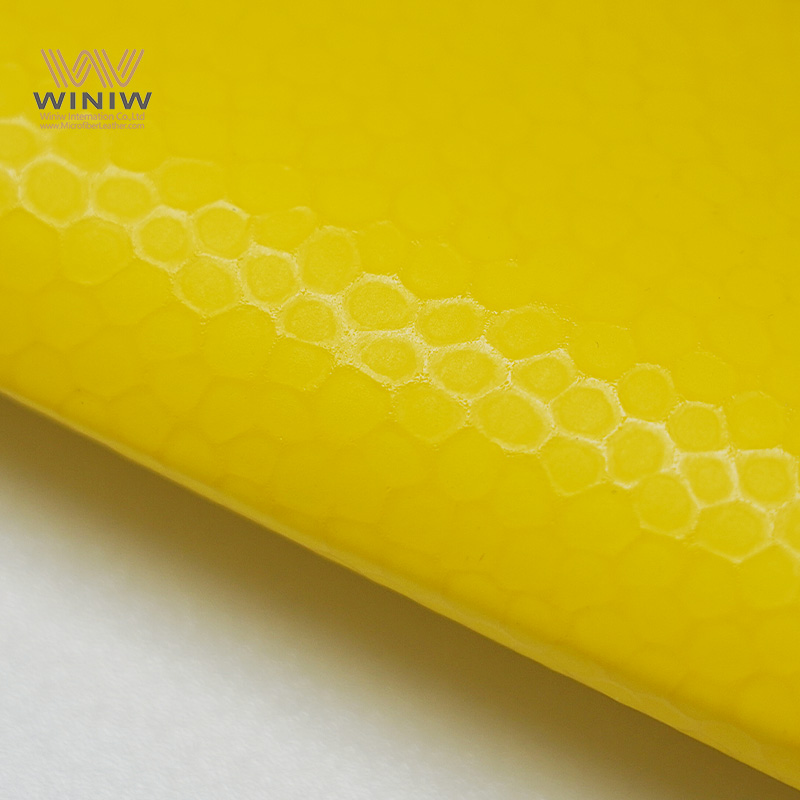
La storia della produzione di palloni da calcio mostra un netto passaggio dalla pelle al poliuretano (PU). I primi palloni da calcio utilizzavano pannelli in pelle, che assorbivano l'acqua e si appesantivano durante il gioco. I produttori cercarono materiali migliori per migliorare le prestazioni e la durata. Il poliuretano offriva diversi vantaggi: resisteva all'acqua, manteneva la forma e forniva un tocco uniforme. I giocatori notarono che i palloni in PU si comportavano bene in tutte le condizioni atmosferiche. Il PU consentiva inoltre colori più brillanti e design più creativi, rendendo il gioco più emozionante per tifosi e giocatori.
Nota: il poliuretano ha cambiato il modo in cui le persone guardano all'attrezzatura da calcio. Ha stabilito un nuovo standard di qualità e affidabilità.
L'introduzione del PU ha portato a grandi cambiamenti nella produzione. Le fabbriche hanno adottato nuovi macchinari per la lavorazione dei materiali sintetici. Gli operai hanno imparato a tagliare, modellare e incollare i pannelli in PU con precisione. Questo processo ha ridotto gli sprechi e migliorato l'efficienza. Le aziende hanno ora potuto produrre più palloni in meno tempo. L'uso del PU ha inoltre facilitato il rispetto degli standard internazionali in termini di dimensioni e peso. Di conseguenza, la produzione di palloni è diventata più uniforme e affidabile.
Agli albori della produzione di palloni da calcio, operai specializzati cucivano a mano ogni pannello. Questo metodo richiedeva pazienza e attenzione ai dettagli. Gli artigiani di Sialkot divennero famosi per la loro maestria. Col tempo, le fabbriche introdussero macchinari per accelerare la produzione. Le macchine potevano cucire i pannelli più velocemente e con maggiore precisione. Questo cambiamento permise alle aziende di soddisfare la crescente domanda di palloni da calcio in tutto il mondo.
La cucitura a mano produceva palline di alta qualità, ma la produzione era limitata.
La produzione meccanica ha aumentato l'efficienza e ridotto i costi.
Le fabbriche moderne utilizzano un mix di entrambi i metodi per diversi tipi di palloni da calcio.
Oggi, la maggior parte dei palloni da calcio proviene da linee di produzione automatizzate. Tuttavia, alcuni palloni di alta qualità utilizzano ancora la cucitura a mano per le partite di alto livello. L'evoluzione dalla cucitura a mano alla produzione meccanica segna un capitolo chiave nella storia della produzione di palloni da calcio.
L'industria calcistica mondiale ha assistito a un cambiamento radicale quando le fabbriche hanno iniziato a operare in Cina e India. Questi paesi offrivano una forza lavoro numerosa e costi di produzione inferiori. Le aziende hanno riconosciuto il potenziale di una maggiore produzione di palloni da calcio. Hanno costruito nuove strutture e formato i lavoratori. tecniche avanzateLa Cina è rapidamente diventata leader nella produzione di massa. L'India ha seguito l'esempio, concentrandosi sia sulla qualità che sulla quantità. Questa espansione ha permesso ai marchi di soddisfare la crescente domanda di palloni da calcio in nuovi mercati.
Fatto: Cina e India producono ogni anno milioni di palloni da calcio per il mercato locale e internazionale.
L'industria non si è fermata alla costruzione di fabbriche. Le aziende hanno creato complesse catene di fornitura per spostare materiali e prodotti finiti in tutto il mondo. Hanno collaborato con spedizionieri ed esperti di logistica. Questa rete ha reso possibile l'esportazione di palloni da calcio in ogni continente. Sialkot è rimasta un fornitore chiave, ma la portata dell'industria è diventata davvero globale. La capacità di fornire palloni da calcio di alta qualità ha contribuito rapidamente alla crescita della popolarità di questo sport.
Le aziende hanno ridotto i tempi di consegna.
I marchi hanno raggiunto nuovi clienti in regioni remote.
L'industria calcistica mondiale è diventata più connessa che mai.
La tecnologia ha svolto un ruolo fondamentale nella diffusione mondiale delle fabbriche di palloni da calcio. Le macchine hanno migliorato la velocità e la precisione della produzione. I nuovi materiali hanno reso i palloni più resistenti e durevoli. L'automazione ha permesso alle fabbriche di aumentare la produzione senza sacrificare la qualità. Le aziende hanno investito nella ricerca per sviluppare design migliori. Queste innovazioni hanno aiutato il settore a soddisfare i rigorosi standard stabiliti da organizzazioni come la FIFA.
Nota: i progressi tecnologici continuano a plasmare il futuro della produzione di palloni da calcio.
La popolarità del calcio crebbe vertiginosamente in ogni angolo del mondo. Sempre più persone volevano giocare, guardare e possedere palloni da calcio. Questa crescente domanda spinse le fabbriche ad aumentare la produzione. Le esportazioni crebbero man mano che i paesi ospitavano tornei internazionali e campionati locali. L'industria rispose costruendo più fabbriche e assumendo più lavoratori. La produzione di palloni da calcio divenne un simbolo di crescita economica in molte regioni.
Il calcio è diventato lo sport più popolare al mondo.
L'industria ha creato posti di lavoro e sostenuto le economie locali.
Eventi globali come la Coppa del Mondo FIFA hanno alimentato una domanda ancora maggiore.
L'espansione delle fabbriche di calcio dimostra come tecnologia, commercio e passione per il gioco possano trasformare un settore. Il percorso dalle officine locali a una rete globale mette in luce il potere dell'innovazione e del lavoro di squadra.
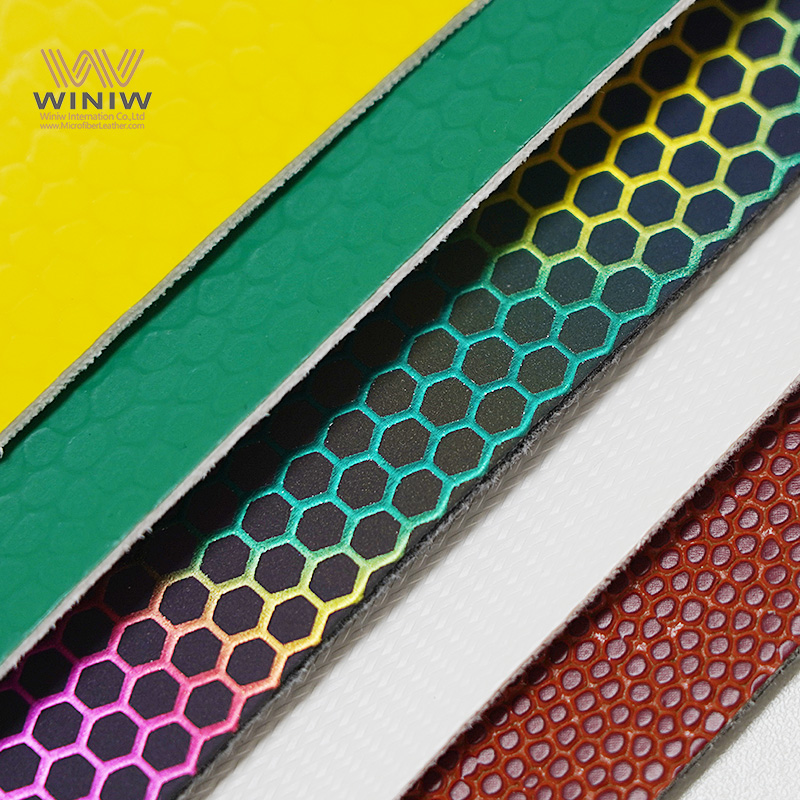
Il Pakistan è leader mondiale nella produzione di palloni da calcio. La città di Sialkot è il cuore della produzione di palloni da calcio. Le fabbriche locali producono palloni di alta qualità per i mercati internazionali. I lavoratori di Sialkot utilizzano tecniche all'avanguardia e rigorosi controlli di qualità. La regione fornisce palloni per i principali tornei, compresi quelli con certificazione FIFA. Molti marchi globali si affidano al Pakistan per una fornitura costante e una distribuzione affidabile.
Fatto: le fabbriche di Sialkot producono milioni di palloni da calcio ogni anno, contribuendo alla crescita di questo sport in tutto il mondo.
L'industria pakistana beneficia di manodopera qualificata e di una lunga tradizione artigianale. La reputazione di eccellenza del Paese nella produzione di palloni da calcio attrae acquirenti da ogni continente. La leadership di Sialkot nel settore rimane ineguagliabile.
Cina e India hanno ampliato il loro ruolo nella produzione di palloni da calcio. Entrambi i paesi offrono una forza lavoro numerosa e moderni impianti di produzione. Le aziende cinesi si concentrano su automazione e scalabilità. L'India investe sia in tecnologia che in formazione per migliorare la produzione. Queste nazioni hanno aumentato la loro quota di mercato globale.
Un confronto tra i punti di forza della produzione:
Paese | Punti di forza | Focus sul mercato |
|---|---|---|
Pakistan | Artigianato, qualità | Internazionale |
Cina | Automazione, volume | Produzione di massa |
India | Formazione, innovazione | Regionale ed esportazione |
L'industria cinese e indiana continua a crescere. Le loro fabbriche forniscono palloni da calcio a scuole, club e leghe locali. L'espansione della produzione in queste regioni sostiene la crescente domanda di questo sport.
Forward Sports, con sede a Sialkot, definisce lo standard per i palloni da calcio di alta qualità. L'azienda collabora con la FIFA e fornisce palloni per i principali tornei. Forward Sports utilizza macchinari all'avanguardia e rigorosi controlli di qualità. Il suo impegno per l'innovazione la mantiene all'avanguardia nel settore.
Altri stabilimenti leader includono:
Select Sport (Danimarca): noto per i design durevoli e la distribuzione globale.
Mitre (Regno Unito): si concentra su tecnologia e prestazioni.
Cosco (India): fornisce palloni da calcio per le scuole e per le competizioni regionali.
Adidas (Germania): collabora con fabbriche in tutto il mondo per la produzione di palloni da calcio.
Suggerimento: le fabbriche con certificazione FIFA devono soddisfare rigorosi standard di dimensioni, peso e durata.
Questi centri guidano il settore e investono in ricerca e sviluppo per migliorare la produzione di palloni da calcio. La rete globale di fabbriche garantisce ai giocatori di tutto il mondo l'accesso ad attrezzature affidabili.
L'attuale panorama della produzione di palloni da calcio riflette un mix di tradizione, tecnologia e cooperazione internazionale. Il predominio del Pakistan, unito alla crescita di Cina e India, plasma il futuro del settore. Fabbriche e centri produttivi leader continuano a spingere i confini della produzione di palloni da calcio, soddisfacendo le esigenze di un mercato globale.
IL industria del calcio ha trasformato il panorama economico di Sialkot. Le fabbriche di questa città impiegano migliaia di lavoratori. Molte famiglie dipendono da un lavoro stabile nella produzione di palloni da calcio per il loro sostentamento. L'industria sostiene anche settori correlati, come l'imballaggio, i trasporti e la manutenzione dei macchinari. Altre regioni del Pakistan e paesi come Cina e India hanno beneficiato di benefici simili. La domanda di manodopera qualificata e non qualificata continua a crescere con l'espansione del settore.
Nota: le opportunità di lavoro nel settore della produzione di palloni da calcio contribuiscono a ridurre la disoccupazione e a migliorare gli standard di vita in molte comunità.
La crescita dell'industria del football ha portato a un significativo sviluppo della comunità. I proprietari delle fabbriche investono nelle infrastrutture locali, tra cui scuole, cliniche e strade. I lavoratori hanno accesso a una migliore istruzione e assistenza sanitaria. Molte aziende sostengono programmi sociali a beneficio di bambini e donne. Questi sforzi creano un ambiente positivo per le famiglie e incoraggiano la crescita a lungo termine. La presenza dell'industria porta spesso elettricità, acqua pulita e nuove tecnologie in aree precedentemente sottoservite.
La distribuzione globale dei palloni da calcio ha reso questo sport più accessibile. La produzione di massa riduce i costi, quindi più persone possono permettersi di acquistare un pallone da calcio. I bambini dei villaggi remoti e dei centri urbani possono giocare a questo sport. Attrezzature a prezzi accessibili aiutano scuole e club a far conoscere il calcio alle nuove generazioni. L'attenzione del settore alla qualità garantisce che anche i palloni a basso costo soddisfino gli standard di sicurezza e prestazioni.
I palloni da calcio economici promuovono l'attività fisica.
Un numero sempre maggiore di bambini partecipa ad attività sportive organizzate.
Le comunità si uniscono attraverso partite e tornei locali.
L'industria calcistica svolge un ruolo chiave nella crescita del gioco a livello globale. Una produzione affidabile e una distribuzione efficiente consentono a questo sport di raggiungere ogni continente. I tornei internazionali mettono in mostra i migliori talenti e ispirano i giovani giocatori. Il ciclo di vita di un pallone da calcio, dalla fabbrica al campo, unisce persone di culture diverse. L'industria si trova ad affrontare anche sfide, come la riduzione del suo impatto sull'ambiente. Molte aziende stanno ora esplorando materiali ecocompatibili e programmi di riciclo per promuovere la sostenibilità.
Il percorso di un pallone da calcio riflette la forza del lavoro di squadra, dell'innovazione e dello spirito di comunità.
Le fabbriche di palloni da calcio in PU sono sottoposte a crescenti pressioni per ridurre il loro impatto ambientale. Molte aziende ora ricercano e sviluppano materiali ecocompatibili per sostituire i materiali sintetici tradizionali. Sperimentano poliuretani di origine biologica e plastiche riciclate. Questi nuovi materiali contribuiscono a ridurre le emissioni e gli sprechi durante la produzione. Alcune fabbriche utilizzano adesivi a base d'acqua al posto di sostanze chimiche aggressive. Questo cambiamento tutela sia i lavoratori che l'ambiente. I marchi esplorano anche imballaggi biodegradabili per ridurre ulteriormente l'inquinamento. Il ciclo di vita di un pallone da calcio ora include programmi di riciclaggio e iniziative di ritiro. Questi sforzi mirano a evitare che i palloni usati finiscano in discarica e a promuovere un'economia circolare.
Suggerimento: scegliendo palloni da calcio realizzati con materiali sostenibili contribuisci a mantenere il pianeta più pulito.
L'innovazione guida il futuro della produzione di palloni da calcio in PU. Le aziende investono in macchinari all'avanguardia che consumano meno energia e producono meno rifiuti. Progettano nuovi processi che migliorano l'efficienza e la qualità. Molte fabbriche adottano sistemi di tracciamento digitale per monitorare l'utilizzo delle risorse e ridurre gli errori. Questi sistemi aiutano i manager a prendere decisioni migliori e a ridurre i costi. Alcuni marchi utilizzano la stampa 3D per creare rapidamente prototipi. Questa tecnologia accelera lo sviluppo del prodotto e consente design più creativi. I leader del settore collaborano anche con università e centri di ricerca per rimanere all'avanguardia in termini di sostenibilità e tecnologia.
IL Settore manifatturiero del calcio in PU registra tassi di crescita diversi nelle varie regioni. L'Asia Pacifica è in testa con una rapida espansione, con la Cina che domina la produzione e l'India che aumenta la sua quota di mercato. Il Nord America mostra una crescita costante, trainata da investimenti e innovazione. L'Europa si concentra su normative rigorose e sostenibilità, con la Germania che eccelle nell'ingegneria. L'America Latina modernizza le sue fabbriche, con il Brasile che guida la domanda. Il Medio Oriente e l'Africa diversificano le loro economie, con gli Emirati Arabi Uniti e l'Arabia Saudita che lanciano importanti progetti. Questi cambiamenti creano nuove opportunità per fabbriche e lavoratori in tutto il mondo.
Asia Pacifico: la crescita più rapida, guidata da Cina e India
Nord America: innovazione e investimenti costanti
Europa: sostenibilità e forza ingegneristica
America Latina: modernizzazione e domanda crescente
Medio Oriente e Africa: diversificazione economica
L'automazione trasforma la produzione di palloni da calcio in PU. Molte fabbriche ora utilizzano Macchine guidate dall'intelligenza artificiale per migliorare la precisione dei punti e coerenza. L'analisi predittiva ottimizza le supply chain e gestisce l'inventario. Gli algoritmi di apprendimento automatico rilevano i difetti e garantiscono il controllo qualità. I gemelli digitali simulano i processi e aiutano nella pianificazione. Il processo decisionale basato sui dati migliora sia la produzione che la logistica. L'automazione riduce i costi di manodopera e aumenta la scalabilità. Le aziende investono in intelligenza artificiale e IoT per promuovere l'innovazione e rimanere competitive. Questi progressi plasmano il futuro del settore e contribuiscono a ridurre l'impatto ambientale della produzione.
Nota: la tecnologia e l'automazione continueranno a cambiare il modo in cui vengono realizzati i palloni da calcio, rendendo il processo più veloce, più intelligente e più sostenibile.
Le fabbriche di palloni da calcio in poliuretano sono nate in Germania grazie all'innovazione e sono cresciute grazie alla leadership di Sialkot. Il passaggio al poliuretano ha cambiato il modo in cui il mondo gioca a calcio. Queste fabbriche supportano l'occupazione, la crescita della comunità e la cultura sportiva globale. Guardando al futuro, il settore vedrà:
Sistemi intelligenti e nuovi design di prodotti
Standard di sicurezza più elevati
Sfide relative alla catena di fornitura e ai costi
Ulteriori normative
Questo viaggio mostra come tradizione e tecnologia plasmano il futuro del gioco.
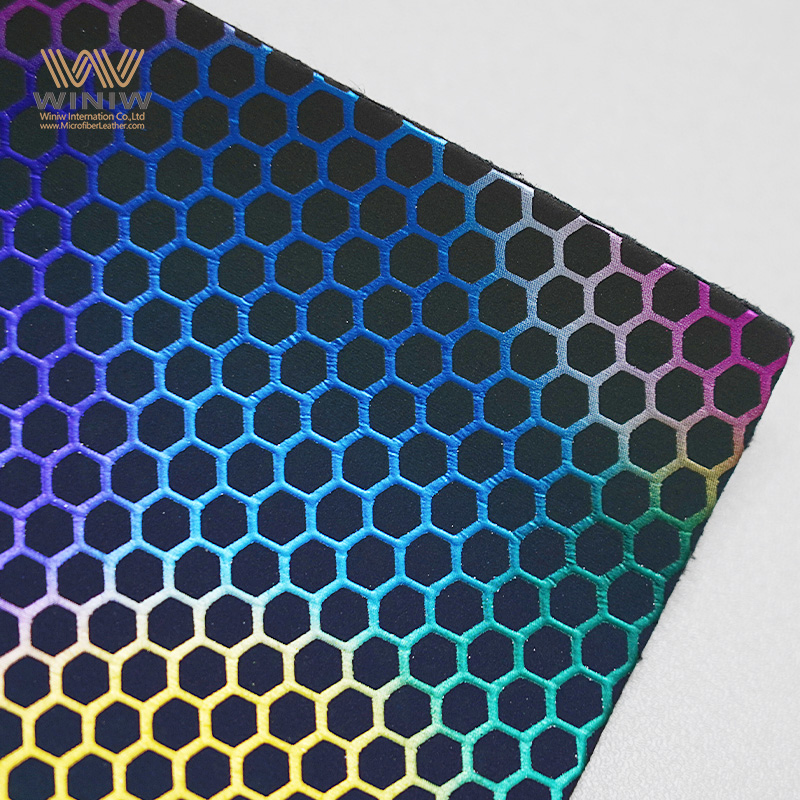
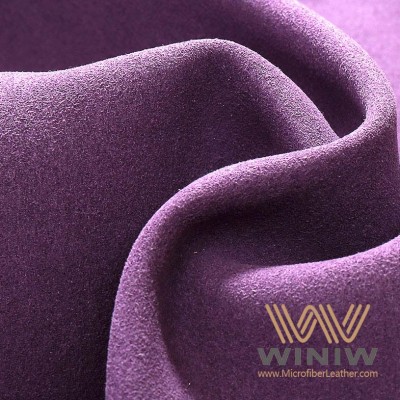
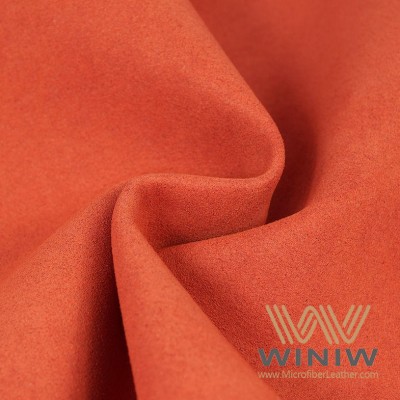
PU sta per poliuretanoI produttori utilizzano questo materiale sintetico per realizzare le coperture dei palloni da calcio. Il poliuretano offre durevolezza, impermeabilità e morbidezza al tatto. Queste qualità consentono ai palloni da calcio di funzionare bene in diverse condizioni atmosferiche e di durare più a lungo dei tradizionali palloni in pelle.
Le fabbriche sono passate al PU perché è resistente all'acqua, mantiene la forma e costa meno da produrre. Anche i giocatori preferiscono i palloni in PU per le loro prestazioni costanti. Questo cambiamento ha reso i palloni più accessibili e accessibili in tutto il mondo.
Il Pakistan è leader mondiale nella produzione di palloni da calcio in PU. Sialkot, una città del Pakistan, fornisce milioni di palloni ogni anno. Molti tornei internazionali utilizzano palloni prodotti a Sialkot. La forza lavoro qualificata e le fabbriche all'avanguardia della città ne determinano il successo.
Le fabbriche utilizzano rigorosi sistemi di controllo qualità. Gli operai testano i palloni da calcio per verificarne dimensioni, peso e resistenza. Molte fabbriche seguono gli standard FIFA. Alcune utilizzano macchinari per verificare la presenza di difetti. Questo processo garantisce che ogni pallone soddisfi i requisiti internazionali.
Molte aziende sviluppano ora materiali in poliuretano ecocompatibili, utilizzando plastica riciclata e adesivi a base d'acqua. Alcuni marchi offrono anche programmi di riciclo per i vecchi palloni da calcio. Questi sforzi contribuiscono a ridurre l'impatto ambientale della produzione di palloni da calcio.
Caratteristica | Cucito a mano | Cucito a macchina |
|---|---|---|
Durata | Alto | Da moderato ad alto |
Costo | Più alto | Inferiore |
Utilizzo | Giochi professionali | Formazione, ricreazione |
Le palline cucite a mano durano spesso più a lungo e sono adatte alle partite professionistiche. Le palline cucite a macchina sono adatte sia per l'allenamento che per il gioco occasionale.
Le fabbriche oggi utilizzano automazione, intelligenza artificiale e macchinari avanzati. Questi strumenti accelerano la produzione e migliorano la precisione. La tecnologia aiuta anche a ridurre gli sprechi e il consumo energetico. Le fabbriche moderne possono produrre più palloni da calcio mantenendo un'elevata qualità.
Business Phone : +8618150976625
E-mail : Hello@MicrofiberLeather.com
Mobile & WhatsApp : +8618150976625
Indirizzo : W6-302 Shimao Manhadun Shuanglong Road, Jinjiang Quanzhou Fujian China



© Diritto d'autore 2022 Winiw International Co., Ltd.Tutti i diritti riservati.
XML | politica sulla riservatezza |