Rivestimento in pelle
Pelle PU
  • La pelle PU è fatta per durare o è soggetta a usura?
    La pelle PU è fatta per durare o è soggetta a usura?
      Ricevo spesso domande sul fatto che pelle PU Supera la prova del tempo. In base alla mia esperienza e a studi recenti, ho scoperto che il PU dura in genere dai 2 ai 5 anni, un periodo molto più breve rispetto all'impressionante durata di vita della vera pelle, che va dai 15 ai 30 anni. Gli acquirenti che danno importanza alla longevità dei loro mobili o accessori devono considerare questa differenza prima di procedere all'acquisto. Punti chiave La pelle PU in genere dura tra 2 e 5 anni, molto più breve della durata di vita della vera pelle, che è di 15-30 anni e oltre. La pelle PU di alta qualità è dotata di un rivestimento più spesso e di un supporto rinforzato, garantendo una maggiore durata. Una pulizia regolare e una cura adeguata possono prolungare significativamente la durata della pelle PU prodotti. Evitare di esporre la pelle PU alla luce solare diretta e alle alte temperature per evitare screpolature e sbiadimenti. La pelle PU è un'opzione economica, con un costo inferiore del 50-70% rispetto alla vera pelle. Per gli articoli più utilizzati, si consiglia di utilizzare la vera pelle, per la sua maggiore durata e la capacità di sviluppare una patina unica nel tempo. Quando si acquista pelle PU, verificare che la consistenza sia uniforme e che l'odore sia simile a quello della plastica, per garantirne l'autenticità. Investire in pelle PU di qualità superiore può portare a migliori prestazioni e longevità, rendendolo una scelta intelligente per molti acquirenti. Cos'è la pelle PU Nozioni di base sulla pelle PU Quando ho iniziato a lavorare con la pelle PU, volevo capire esattamente come i produttori creano questo materiale. La pelle PU, nota anche come pelle di poliuretano, è un tipo di pelle sintetica. Il processo di produzione del PU prevede diverse fasi: I produttori bagnano il tessuto di supporto facendolo passare nell'acqua. Rivestono il tessuto bagnato con un materiale misto di poliuretano. Il tessuto rivestito in PU passa attraverso un lavandino contenente DMF, che solidifica il PU. Gli operai lavano via il DMF e asciugano il materiale per formare la base PU. Uno strato superficiale di PU viene steso su carta protettiva, lasciandola per metà asciutta e appiccicosa. Questo strato appiccicoso viene applicato sulla base e cotto in forno. Infine, la carta protettiva viene rimossa, rivelando la pelle PU finita. Trovo che questo processo conferisca al PU un aspetto liscio e uniforme. Molte persone mi chiedono come riconoscere la pelle PU. Di solito controllo la consistenza uniforme e l'odore artificiale. Queste caratteristiche la distinguono dagli altri materiali. PU vs. vera pelle Spesso paragono la pelle sintetica alla vera pelle per i clienti che vogliono conoscerne le differenze. I due materiali sembrano simili a prima vista, ma le loro proprietà differiscono in modo significativo. Ecco una tabella che evidenzia le principali differenze: Caratteristica Pelle PU vera pelle Struttura Più liscio e uniforme Imperfezioni dovute alla pelle animale Pori Senza pori, realizzato in plastica Contiene pori naturali Odore Odore artificiale, simile alla plastica Odore caratteristico e naturale della pelle Invecchiamento Patatine e scaglie con stress Si scurisce e diventa flessibile nel tempo Ho notato che la pelle sintetica non invecchia come la vera pelle. Anzi, può scheggiarsi o sfaldarsi dopo un uso intenso. La vera pelle sviluppa una patina e diventa più morbida. Se volete sapere come identificare la pelle sintetica, cercate un odore simile alla plastica e una superficie impeccabile. Questi indizi mi aiutano a riconoscere rapidamente la pelle sintetica. Un'altra differenza fondamentale è l'impatto ambientale. Ho visto dati che dimostrano che la pelle sintetica ha un'impronta di carbonio molto inferiore rispetto alla vera pelle. Ad esempio: Tipo di pelle Impronta di carbonio (kg CO2e per metro quadrato) Pelle PU 15.8 Pelle di mucca 110.0 Nota: per produrre una singola borsa in pelle di mucca possono essere necessari oltre 17.000 litri di acqua, mentre per la pelle PU ne serve molta meno. PU vs. altre pelli sintetiche Molti clienti mi chiedono informazioni sul differenze tra pelle PU e altre opzioni sintetiche come PVC o microfibra. Trovo che ogni pelle sintetica abbia punti di forza e di debolezza unici. Ecco una tabella comparativa: Materiale Durata Resistenza all'acqua Tatto Pelle PU Durevole ma può rompersi nel tempo Buono, ideale per borse di tutti i giorni Più morbido e lussuoso Pelle PVC Estremamente durevole, meno soggetto a crepe Altamente resistente all'acqua Può diventare rigido e fragile nel tempo Microfibra Meno durevole del PVC Varia, generalmente buono Morbido e flessibile Consiglio la pelle sintetica di alta qualità a chi desidera una sensazione di morbidezza e lusso senza il costo elevato della vera pelle. Tuttavia, la pelle in PVC offre una migliore resistenza all'acqua e una maggiore durata, mentre la microfibra è leggera e flessibile. I materiali sintetici soddisfano esigenze diverse, quindi aiuto sempre gli acquirenti a scegliere in base alle loro priorità. Durata della pelle PU Fattori di durabilità Quando valuto la durata della pelle PU, prendo sempre in considerazione diversi fattori chiave. qualità della produzione Si distingue come la più importante. La pelle PU di alta qualità presenta un rivestimento più spesso e un supporto rinforzato, che si traduce in una maggiore durata. La pelle PU di scarsa qualità, d'altra parte, spesso si sfalda, si screpola o si sfalda nel giro di pochi mesi. Ho visto questa differenza in prima persona sia nei mobili che negli accessori. Fattore Descrizione Qualità della produzione La pelle PU di alta qualità ha un rivestimento più spesso e un supporto rinforzato, garantendo una maggiore durata. La pelle PU di scarsa qualità può screpolarsi, screpolarsi o sfaldarsi nel giro di pochi mesi. I produttori utilizzano test di laboratorio per misurare la resistenza della pelle sintetica. Questi test mi aiutano a capire quanto un prodotto resisterà all'uso quotidiano. Ecco un riepilogo dei test più comuni: Tipo di test Criteri/Descrizione Resistenza all'abrasione Test di Martindale > 10.000 volte. Resistenza alla trazione Resistenza alla trazione > 15 MPa, allungamento a rottura > 250%. Resistenza all'idrolisi Conservato per più di 21 giorni a 70°C e 90% di umidità senza anomalie. Anti-invecchiamento Nessuna decolorazione dopo 300 ore di irradiazione UV. Metodi di prova pratici Strumento di prova elettronico per la trazione, strumento di prova per la fatica di flessione, strumento Martindale, strumento di prova VOC, camera ad alta temperatura e umidità. Consiglio sempre di controllare i risultati di questi test quando si acquistano prodotti in pelle sintetica. Forniscono un indicatore affidabile della resistenza della pelle sintetica. Anche le condizioni ambientali giocano un ruolo significativo nella durata della pelle PU. Le alte temperature e la luce solare diretta possono causare secchezza, screpolature e scolorimento. L'umidità può infiltrarsi sotto il rivestimento, causandone la desquamazione. Ho notato che l'uso frequente senza la dovuta cura accelera l'usura. Una pulizia regolare con i metodi consigliati preserva le condizioni della pelle PU. Evitare il calore estremo o la luce solare diretta ne previene l'invecchiamento precoce. Recenti innovazioni nella pelle PU La produzione ha migliorato la durata. I rivestimenti in PU a base d'acqua ora riducono al minimo l'uso di solventi e offrono le stesse prestazioni dei prodotti più vecchi. Le tecnologie di rivestimento avanzate ottimizzano più strati per una maggiore resistenza all'usura e flessibilità. La nanotecnologia nei rivestimenti aumenta la durata e la resistenza allo sporco fino al 30%. Alcuni produttori offrono persino pelle PU autoriparante, in cui i graffi lievi scompaiono naturalmente. Questi progressi rendono la moderna pelle PU più resistente che mai. Tipo di innovazione Descrizione Rivestimento PU a base d'acqua Riduce al minimo l'uso di solventi organici, è ecologico e garantisce prestazioni paragonabili ai prodotti a base di solventi. Tecnologie di rivestimento avanzate Ottimizza più strati per resistenza all'usura, flessibilità e aderenza, migliorando la durata complessiva. Nanotecnologia nei rivestimenti Offre un miglioramento del 20-30% in termini di durata e resistenza allo sporco rispetto ai prodotti convenzionali. Pelle PU antibatterica Utilizza ioni d'argento e fotocatalizzatori per sopprimere batteri e virus, con un tasso di riduzione superiore al 99,9%. Pelle PU autorigenerante Realizzato con polimeri speciali che consentono ai graffi più lievi di scomparire naturalmente, aumentandone la durata. Le politiche di garanzia spesso riflettono la fiducia del produttore nella durevolezza della pelle sintetica. Ho notato che la pelle sintetica di alta qualità e le montature robuste garantiscono garanzie più lunghe. I marchi che investono in ricerca e sviluppo offrono garanzie estese, il che indica una maggiore longevità del prodotto. Un servizio clienti efficiente supporta inoltre queste garanzie, offrendo agli acquirenti la massima tranquillità. Problemi comuni Nonostante questi miglioramenti, la pelle sintetica presenta ancora diversi problemi comuni. Ho visto questi problemi presentarsi sia nei prodotti nuovi che in quelli più vecchi. Peeling La desquamazione rimane uno dei problemi più frequenti con la pelle sintetica. Quando lo strato superiore in poliuretano si separa dal supporto, la superficie inizia a sfaldarsi. Questo accade solitamente quando l'umidità penetra sotto il rivestimento o quando il prodotto subisce frequenti piegature. Consiglio sempre agli acquirenti di evitare di esporre articoli in pelle sintetica in ambienti umidi e di pulire immediatamente eventuali fuoriuscite. Cracking Le screpolature si verificano quando la pelle sintetica si secca o viene sottoposta a ripetute sollecitazioni. Le alte temperature e la luce solare diretta accelerano questo processo. Ho visto molti divani e borse in PU sviluppare crepe dopo pochi anni, soprattutto se i proprietari non trattano il materiale o non lo proteggono dal calore. Le screpolature non solo ne compromettono l'aspetto, ma ne riducono anche la durata. Svanimento Lo scolorimento è un altro problema che influisce sulla durata della pelle sintetica. L'esposizione prolungata alla luce solare fa sì che il colore perda la sua vivacità. Consiglio di tenere i prodotti in pelle sintetica lontano dalle finestre o di utilizzare spray protettivi UV. Sebbene alcune pelli sintetiche moderne resistano allo scolorimento meglio delle versioni precedenti, questo rimane un problema per molti consumatori. Altri problemi che ho riscontrato includono fragilità nel tempo, formazione di muffa in condizioni di umidità e traspirabilità limitata, che possono causare disagio durante lunghi periodi di utilizzo. Rispetto alla vera pelle, la durevolezza della pelle sintetica rimane inferiore e il materiale tende a degradarsi più rapidamente. Suggerimento: una pulizia regolare, una corretta conservazione e l'evitamento di condizioni estreme possono contribuire a prolungare la durata dei prodotti in pelle PU. Quanto dura la pelle PU? Durata della pelle PU Quando i clienti mi chiedono: "quanto dura la pelle PU?," Spiego sempre che la risposta dipende da diversi fattori. La maggior parte dei prodotti in pelle sintetica standard dura dai tre ai cinque anni in condizioni normali. Le varietà di alta qualità possono raggiungere anche un decennio con la cura adeguata. Le opzioni di qualità inferiore, soprattutto quelle realizzate in PVC, spesso mostrano segni di usura già dopo due anni. Ho visto questo schema ripetutamente sia nei mobili che negli articoli di moda. Ecco una tabella di riferimento rapido che riassume la durata media dei diversi tipi di pelle PU: Tipo di pelle PU Durata media della vita (anni) varianti in PVC 2–3 PU standard 3–5 PU premium 5–10 Consiglio sempre ai miei clienti di considerare questi numeri come linee guida generali. La longevità effettiva della pelle sintetica dipende da come si utilizzano e si mantengono i propri articoli. Fattori che influenzano la longevità Utilizzo Il modo in cui si utilizzano i prodotti in pelle sintetica ha un impatto diretto sulla loro durata. Ho notato che i mobili ad alto passaggio, come divani o sedie da ufficio, tendono a usurarsi più velocemente di oggetti come borse o oggetti decorativi. Piegature, allungamenti e sfregamenti frequenti accelerano la degradazione del rivestimento in poliuretano. Consiglio di ruotare i cuscini ed evitare di esercitare una pressione eccessiva su aree specifiche per distribuire l'usura in modo più uniforme. Cura La cura adeguata gioca un ruolo cruciale per prolungare la longevità della pelle sintetica. Pulisco sempre i miei articoli in pelle sintetica con un panno morbido e umido ed evito prodotti chimici aggressivi. Gli spray condizionanti specifici per materiali sintetici aiutano a mantenere la flessibilità e a prevenire le screpolature. Spolverare regolarmente e prestare attenzione alle fuoriuscite impedisce all'umidità di penetrare negli strati. Conservo inoltre i miei accessori in pelle sintetica in luoghi freschi e asciutti per evitare un'esposizione non necessaria a elementi dannosi. Con una cura costante, ho visto prodotti in pelle sintetica standard durare quasi fino al limite massimo della loro durata prevista. Ambiente Le condizioni ambientali possono favorire o compromettere la longevità della pelle PU. Ho osservato che l'esposizione prolungata alla luce solare porta a fragilità, sbiadimento del colore e perdita di elasticità. I ​​raggi UV scompongono le catene polimeriche del materiale. Le alte temperature ammorbidiscono e deformano la superficie, mentre gli ambienti freddi rendono la pelle PU rigida e soggetta a screpolature. L'umidità introduce un'altra serie di problemi. Muffe e funghi proliferano in condizioni di umidità, danneggiando il substrato e causando odori sgradevoli. Anche il rigonfiamento e l'idrolisi causati dall'umidità possono causare una perdita di proprietà meccaniche. L'esposizione prolungata alla luce solare provoca fragilità, sbiadimento e perdita di elasticità. Le alte temperature ammorbidiscono e deformano il materiale, mentre le basse temperature lo rendono rigido e soggetto a crepe. Un'umidità elevata favorisce la formazione di muffa e danni al substrato. L'invecchiamento accelerato si verifica in ambienti caldi a causa dell'aumento delle reazioni chimiche. L'umidità può causare rigonfiamento e idrolisi, riducendo la resistenza meccanica. Consiglio sempre di tenere i prodotti in pelle sintetica lontano dalla luce solare diretta, da fonti di calore e da ambienti umidi. Questi semplici accorgimenti possono migliorare significativamente la longevità della pelle sintetica. Nota: investire in pelle sintetica di qualità superiore, realizzata con materiali di qualità superiore e processi di produzione avanzati, garantisce maggiore durata e resistenza ai danni. Ho scoperto che investire un po' di più in anticipo spesso ripaga nel lungo periodo, poiché questi prodotti mantengono il loro aspetto e la loro funzionalità per molti anni. PU vs. vera pelle Confronto della durabilità Confrontando la pelle sintetica con la vera pelle, noto nette differenze in termini di durata. La vera pelle si distingue per la sua resistenza e la capacità di resistere all'usura quotidiana. Ho visto prodotti in vera pelle durare decenni, anche con un uso frequente. Al contrario, la pelle sintetica mostra spesso segni di usura molto prima. Spesso noto che la pelle sintetica può screpolarsi o sfaldarsi, soprattutto nelle zone più soggette a stress. Ecco una rapida panoramica: La vera pelle resiste all'usura ed è quindi ideale per articoli come divani, giacche e scarpe. La pelle PU è meno resistente e più soggetta a screpolature o sfaldamenti nel tempo. La vera pelle può sopportare trattamenti intensi e mantenere il suo bell'aspetto anche dopo molti anni. La pelle PU offre maggiore resistenza all'acqua ma è poco traspirante. Spesso utilizzo la seguente tabella per aiutare i clienti a comprendere le differenze: Materiale Durata Resistenza all'usura Note aggiuntive Pelle PU Meno durevole Tende a screpolarsi e a desquamarsi Più resistente all'acqua, meno traspirante Vera pelle Altamente durevole Resistente all'usura Può durare decenni con la cura adeguata Confronto della durata della vita Nella mia esperienza, la durata della pelle sintetica è di gran lunga inferiore a quella della vera pelle. La maggior parte dei prodotti in pelle sintetica dura dai tre ai cinque anni, anche con una cura regolare. Ho posseduto articoli in vera pelle che sono durati decenni e hanno ancora un bell'aspetto. La pelle PU dura in genere dai 3 ai 5 anni. La vera pelle può durare decenni o anche di più se sottoposta a una manutenzione adeguata. Questa tabella riassume la durata tipica della vita: Tipo di pelle Durata tipica della vita Pelle PU da 3 a 5 anni vera pelle Decenni o più Ricordo sempre ai clienti che investire in vera pelle significa scegliere un prodotto che può diventare un cimelio. La pelle sintetica, pur essendo economica, non offre lo stesso valore a lungo termine. Pro e contro Sia la similpelle che la vera pelle presentano vantaggi e svantaggi unici. Aiuto i clienti a valutare questi fattori prima di prendere una decisione. Vantaggi della pelle PU: Il costo inferiore lo rende accessibile alla maggior parte dei budget. Ampia gamma di colori e finiture disponibili. Più resistente all'acqua della vera pelle. Adatto agli animali e spesso considerato un'opzione vegana. Facile da pulire con un panno umido. Contro della pelle PU: Durata inferiore rispetto alla vera pelle. Tende a screpolarsi, sfaldarsi e sbiadire. Meno traspirante, il che può causare disagio. Non sviluppa patina né migliora con l'età. Le riparazioni sono difficili o impossibili. Vantaggi della vera pelle: Eccezionale durata e resistenza all'usura. Con il tempo sviluppa una ricca patina. Traspirante e confortevole per un uso prolungato. Può essere riparato e restaurato. Mantiene il suo valore e può durare per generazioni. Contro della vera pelle: Costi iniziali più elevati. Richiede una manutenzione regolare per evitare che si secchi o si macchi. Opzioni di colore limitate rispetto al pu. Non adatto a chi cerca prodotti vegani. Può essere sensibile all'acqua e all'umidità. Consiglio: se desideri un look classico e duraturo, la vera pelle è la scelta migliore. Se preferisci convenienza e facilità di manutenzione, la pelle sintetica potrebbe fare al caso tuo. PU vs. altre pelli sintetiche PU contro PVC Confrontando la pelle PU con il PVC, noto diverse differenze importanti sia in termini di durata che di manutenzione. Nella mia esperienza, la pelle PU è più morbida e flessibile. Molti clienti preferiscono questa texture per articoli di moda e arredamento. Tuttavia, Il PVC si distingue per la sua robustezza e resistenza all'acqua. Raccomando spesso il PVC per ambienti in cui sono necessari un uso intenso e una pulizia frequente, come ristoranti o cliniche. La pelle PU è flessibile e morbida, ma meno resistente del PVC. La pelle in PVC è più resistente e impermeabile, il che la rende adatta agli ambienti sottoposti a un uso intenso. La pelle PU è più soggetta a macchie, mentre il PVC è preferibile per le applicazioni che richiedono resistenza alle macchie. Trovo che anche le esigenze di manutenzione siano diverse. La pelle sintetica richiede una pulizia delicata per evitare danni superficiali. Il PVC può gestire detergenti più aggressivi e resiste meglio alle macchie. Per gli acquirenti che desiderano una sensazione di morbidezza e un aspetto più naturale, consiglio la pelle sintetica. Per chi dà priorità alla durevolezza e alla facilità di pulizia, il PVC è spesso più indicato. PU vs. Microfibra La pelle in microfibra è diventata Un'alternativa popolare sia alla pelle sintetica che al PVC. Ho testato prodotti in microfibra e ho scoperto che offrono un'eccellente resistenza all'abrasione e allo strappo. La microfibra mantiene le sue prestazioni per diversi anni, anche con un uso quotidiano. Vedo spesso che pelle in microfibra supera la normale pelle PU in diversi modi: La pelle in microfibra ha una maggiore resistenza all'usura rispetto alla normale pelle PU. Offre inoltre una migliore resistenza agli acidi e agli alcali, all'idrolisi e una maggiore solidità del colore. La pelle in microfibra mantiene il suo aspetto e le sue prestazioni nel tempo, anche con l'uso quotidiano. Grazie alla sua struttura fibrosa compatta, è meno soggetto a sfaldarsi, rompersi o deformarsi. Resistenza all'usura estremamente elevata. Elevata flessibilità e resistenza all'invecchiamento. Consiglio la microfibra ai clienti che desiderano un materiale durevole e di facile manutenzione. Resiste ai danni causati sia dall'usura fisica che dall'esposizione chimica. A mio parere, la microfibra offre il miglior equilibrio tra comfort e durata tra finte pelli. Differenze di durata I test di laboratorio mi aiutano a capire come la pelle PU si confronta con altre pelli sintetiche in termini di resistenza all'abrasione. Spesso faccio riferimento alla seguente tabella quando discuto questi risultati con i clienti: Campione Differenza cromatica della scala di grigi dopo 100 cicli RP 806/19 3 RP 806/19 con polveri D2 (10 mg/ml) 4 Nota: un punteggio pari a 1 indica una variazione significativa (peggiore), mentre 5 indica nessuna variazione (migliore). Questi dati dimostrano che la pelle PU con fibre D2 migliora la resistenza all'abrasione rispetto alla pelle PU standard. In base alla mia esperienza, la pelle sintetica standard non offre la stessa resistenza del PVC o della microfibra. Tuttavia, nuove formulazioni con fibre avanzate possono colmare il divario. Consiglio sempre ai clienti di verificare la presenza di queste innovazioni quando acquistano prodotti in pelle sintetica. La scelta della pelle sintetica giusta dipende dall'uso previsto, dalla sensazione tattile desiderata e dalle aspettative di manutenzione. Cura della pelle PU Suggerimenti per la pulizia Dico sempre ai miei clienti che la cura adeguata inizia dal sapere come pulire la pelle sintetica. Consiglio di spolverare regolarmente la superficie con un panno morbido o una spazzola. Questo semplice passaggio rimuove lo sporco prima che si depositi nel materiale. Per una pulizia più profonda, utilizzo una soluzione di acqua e sapone delicato con un panno umido. Evito prodotti chimici aggressivi e strofinamenti bruschi perché possono danneggiare la superficie e ridurre la durata della pelle sintetica. Quando pulisco mobili o borse, passo prima l'aspirapolvere per rimuovere briciole e peli di animali. Se trovo delle macchie, inizio con un detergente standard e utilizzo prodotti specifici solo se necessario. A volte, uso una soluzione di aceto (una parte di aceto e otto parti di acqua) per le macchie ostinate. Questi metodi mantengono la pelle sintetica fresca e aiutano. mantenere la sua durata. Suggerimento: testare sempre prima la soluzione detergente su una zona nascosta per evitare scolorimenti. Ecco un rapido riferimento su come pulire la pelle PU: Fare un passo Metodo Pulizia regolare Spolverare con un panno morbido o una spazzola Pulizia profonda Acqua e sapone neutro con un panno umido Rimozione delle macchie Inizia con un detergente standard, poi con uno speciale Cura extra Utilizzare una soluzione di aceto per le macchie difficili Suggerimenti per la conservazione Ho imparato che la conservazione gioca un ruolo fondamentale nella longevità della pelle sintetica. Conservo sempre i miei articoli in pelle sintetica in luoghi freschi e asciutti, lontano dalla luce solare diretta. L'elevata umidità può far gonfiare e indebolire le fibre, rendendole soggette a muffe e funghi. D'altra parte, ripetuti cicli di bassa umidità possono creare microfessure che si trasformano in crepe visibili. Utilizzo sacchetti antipolvere o fodere traspiranti per proteggere i miei accessori da polvere e umidità. Per i mobili, mi assicuro che la stanza rimanga ben ventilata e non troppo umida. Questi accorgimenti aiutano a preservare l'integrità strutturale della pelle sintetica e a prevenirne l'invecchiamento precoce. Conservare in ambienti freschi e asciutti. Evitare la luce solare diretta e le fonti di calore. Utilizzare sacchetti antipolvere o coperture traspiranti. Mantenere l'umidità al di sotto del 70% per prevenire la formazione di muffa. Prevenire i danni Mi concentro sulla prevenzione per prolungare la durata dei miei prodotti in pelle sintetica. Pulisco regolarmente con un detergente per pelle di alta qualità per rimuovere oli e sudore. Evito i liquidi e asciugo immediatamente eventuali fuoriuscite per evitare danni causati dall'umidità. Mantengo un ambiente fresco e non espongo mai i prodotti in pelle sintetica alla luce diretta del sole, poiché il calore e i raggi UV ne accelerano il deterioramento. Rimuovo lo sporco superficiale con un panno morbido e utilizzo una soluzione di sapone delicato per una pulizia più profonda. Per la conservazione, scelgo sempre un luogo fresco e asciutto. Queste abitudini mi hanno aiutato a evitare problemi comuni come screpolature, sfaldature e scolorimento. Nota: una cura costante e una conservazione attenta sono i modi migliori per massimizzare la longevità della pelle PU. La pelle PU vale la pena? Quando scegliere PU Consiglio spesso la pelle sintetica ai clienti che desiderano stile e praticità senza spendere una fortuna. Molti acquirenti cercano un'alternativa economica alla vera pelle, soprattutto quando acquistano mobili o accessori alla moda. La pelle sintetica si distingue in diverse situazioni: Costa dal 50 al 70% in meno rispetto alla vera pelle, il che lo rende una scelta intelligente per gli acquirenti attenti al budget. La pulizia è semplice. Mi basta usare un panno umido o acqua e sapone delicato, risparmiando tempo e fatica. L'aspetto liscio e uniforme conferisce un aspetto moderno che si adatta bene agli spazi contemporanei. Per gli oggetti che vengono utilizzati occasionalmente, come le poltrone o le borse alla moda, la pelle PU è molto resistente. Se si desidera evitare prodotti di origine animale, la pelle PU rappresenta un'opzione rispettosa degli animali. Trovo che la pelle PU sia la scelta migliore per chi apprezza la convenienza, la facilità di manutenzione e una finitura elegante. È adatta anche a chi ama rinnovare frequentemente il proprio arredamento o il proprio guardaroba. Quando scegliere la vera pelle Alcune situazioni richiedono l'autenticità e la longevità che solo la vera pelle può offrire. Consiglio sempre la vera pelle ai clienti che desiderano che il loro investimento duri decenni. Ecco i motivi principali per cui scelgo la vera pelle: Con il tempo, la vera pelle sviluppa una bellissima patina, che le conferisce carattere e unicità. Può durare decenni, superando di gran lunga la pelle PU, che in genere dura solo dai tre ai cinque anni. Con il passare del tempo il materiale diventa più lussuoso e più morbido. Sono possibili riparazioni e restauri, il che prolunga ulteriormente la durata del prodotto. Consiglio la vera pelle per mobili ad alto passaggio, pezzi di famiglia o per chiunque apprezzi la durevolezza e un look classico. Se desiderate un prodotto che migliori con il tempo e possa essere tramandato, la vera pelle è la scelta migliore. Considerazioni finali Quando aiuto i clienti a scegliere tra pelle sintetica e altri materiali, mi concentro sui fattori più importanti. La tabella seguente riassume i punti chiave: Fattore Pelle PU Ecopelle Durata Noto per la durevolezza e la resistenza all'usura Sufficiente per la moda o per un uso occasionale Convenienza Meno costoso della pelle naturale Il prezzo varia in base alla produzione e alla qualità Manutenzione Più facile da curare, di solito basta un panno umido Potrebbero essere necessari metodi di pulizia specifici Estetica Aspetto liscio e uniforme, look moderno Disponibili varie finiture e texture Impatto ambientale Materiali ad alta intensità energetica derivati ​​dal petrolio Può essere realizzato con materiali riciclati o rinnovabili Consiglio sempre agli acquirenti di valutare attentamente le proprie priorità. Se si desidera un'opzione elegante, di facile manutenzione e conveniente, la pelle sintetica è la scelta giusta. Se si cerca una longevità senza pari e un materiale che invecchi con eleganza, la vera pelle rimane la scelta migliore. Suggerimento: considera come intendi utilizzare l'oggetto, il tuo budget e quanta manutenzione sei disposto a fare. La scelta giusta dipende dalle tue esigenze specifiche e dal tuo stile di vita.   Dopo anni di esperienza con la pelle sintetica, la considero una scelta pratica e conveniente per molti acquirenti. Sebbene non possa eguagliare la longevità della vera pelle, la pelle sintetica offre un buon equilibrio tra costo e stile. La maggior parte degli articoli dura dai 2 ai 5 anni, a seconda della qualità e della cura. Una manutenzione regolare ne prolunga la durata. Pro: Facili da pulire, convenienti e disponibili in molti stili. Contro: Tende a usurarsi, è meno traspirante e non ha la patina della vera pelle. Consiglio la pelle sintetica a chi cerca stile senza spendere troppo e può permettersi una cura di base. Scegliete prodotti di alta qualità e manteneteli in buone condizioni per ottenere i migliori risultati. Domande frequenti Come posso sapere se il mio articolo è realizzato in pelle PU? Controllo che la superficie sia liscia e uniforme e che abbia un odore simile alla plastica. La pelle sintetica di solito non presenta i pori e le imperfezioni naturali tipici della vera pelle. La superficie è spesso più morbida e omogenea rispetto alla vera pelle. La pelle PU si screpola facilmente? Nella mia esperienza, la pelle PU può screpolarsi se esposta al calore, alla luce solare o a frequenti piegature. Una pulizia e un trattamento regolari aiutano a prevenire questo problema. Tengo sempre i miei articoli in PU lontano dalla luce solare diretta per ridurre il rischio di screpolature. Posso riparare la pelle PU screpolata o scrostata? Trovo che riparare la pelle sintetica sia difficile. Una volta che inizia a sfaldarsi o a screpolarsi, non riesco a ripristinare completamente l'aspetto originale. A volte uso kit di riparazione per piccole riparazioni, ma la sostituzione spesso funziona meglio per danni gravi. La pelle PU è impermeabile? La pelle PU resiste all'acqua Meglio della vera pelle. Asciugo rapidamente le macchie per evitare che l'umidità penetri nelle cuciture. Sebbene resista a pioggia leggera o schizzi, evito di bagnare la pelle sintetica, poiché l'acqua può comunque danneggiarla nel tempo. Come posso pulire le macchie sulla pelle PU? Io uso un panno morbido con sapone neutro e acqua per la maggior parte delle macchie. Per le macchie più ostinate, provo una soluzione di aceto diluito. Non uso mai prodotti chimici aggressivi o spugne abrasive, poiché possono danneggiare la superficie e ridurne la durata. La pelle PU emana cattivo odore nel tempo? La pelle sintetica nuova ha spesso un leggero odore chimico. Ho notato che questo odore svanisce dopo pochi giorni in un luogo ben ventilato. Se l'articolo sviluppa un odore di muffa, lo pulisco e lo conservo in un luogo asciutto per prevenire la formazione di muffa.
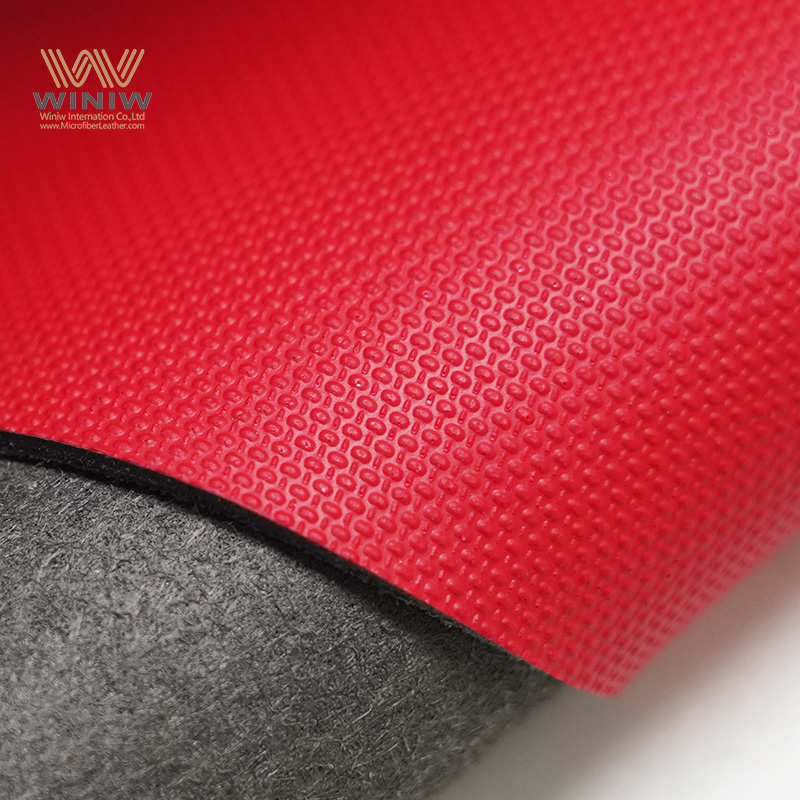

  • Come prolungare la durata della tua pelle PU con la cura adeguata
    Come prolungare la durata della tua pelle PU con la cura adeguata
    Prendersi cura del tuo pelle PU La pulizia frequente della similpelle la rende davvero utile. Se pulisci spesso la similpelle, la mantieni fresca e liscia. Semplici passaggi di pulizia aiutano a prevenire screpolature e scolorimento. Proteggi la tua similpelle pulendola e mantenendola asciutta. > Puoi facilmente mantenere i tuoi articoli come nuovi con una pulizia delicata. Punti chiave Una pulizia regolare mantiene la tua pelle PU come nuova. Passala quotidianamente con un panno morbido per rimuovere la polvere e prevenire le macchie. Utilizzo acqua e sapone delicato per una pulizia più profonda. Evitare prodotti chimici aggressivi per proteggere il materiale da eventuali danni. Conserva il tuo articoli in similpelle in un luogo fresco e asciutto. Questo impedisce l'accumulo di umidità e aiuta a mantenere la loro forma. Pulizia della pelle PU Come pulire la similpelle Mantenere pulita la tua finta pelle è facile se segui una routine semplice. Non hai bisogno di accessori sofisticati prodotti o strumenti speciali. Ecco alcune istruzioni per la pulizia che puoi usare ogni giorno e ogni settimana: Pulizia giornaliera Pulisci la pelle sintetica con un panno morbido e asciutto. In questo modo rimuoverai la polvere e manterrai la superficie liscia. Se vedi una macchia, usa un panno umido con acqua tiepida. Strofina delicatamente la zona. Asciugala subito con un panno in microfibra. Pulizia settimanale Mescola una piccola quantità di sapone neutro con acqua tiepida. Immergi un panno morbido nell'acqua saponata e strizzalo. Pulisci l'intera superficie del tuo articolo in similpelle. Questo funziona per borse, scarpe o anche come pulire la similpelle divano. Risciacquare il panno con acqua pulita e strofinare nuovamente per rimuovere eventuali residui di sapone. Asciugare la superficie con un panno in microfibra pulito. Mancia: Prova sempre prima il metodo di pulizia su un punto nascosto. Questo ti aiuterà a evitare danni. Potresti chiederti come pulire i diversi tipi di similpelle. Il buono notizia La maggior parte della pelle PU è facile da pulire. Basta usare un sapone delicato ed evitare di lasciare il materiale in ammollo. Pulizia delle macchie di similpelle Le macchie possono capitare, ma è possibile eliminarle dalla similpelle con i giusti accorgimenti. Ecco come rimuovere le macchie dalla similpelle: Per macchie chiare: Utilizzare un sapone liquido non profumato o uno shampoo per bambini. Versare una piccola quantità su un panno umido e strofinare delicatamente la macchia. Risciacquare con un panno pulito e umido e asciugare con un panno in microfibra. Per macchie difficili: Prova a pulire le macchie. Mescola una goccia di sapone delicato con acqua. Tamponare la macchia, senza strofinare energicamente. Ripetere se necessario. Per macchie di inchiostro o colorante: Utilizzare un batuffolo di cotone imbevuto di alcol denaturato. Tamponare delicatamente la macchia. Non bagnare la zona. Nota: Non usare mai candeggina o prodotti chimici aggressivi. Possono danneggiare la pelle sintetica e peggiorare le macchie. Se vuoi sapere come pulire una giacca in similpelle, segui gli stessi passaggi. Concentrati sempre sulla pulizia delle macchie e sulla cura delicata. Pulire subito gli articoli in similpelle aiuta a prevenire che le macchie si fissino. Cosa fare e cosa non fare Vuoi che la tua pelle sintetica duri a lungo? Segui questi consigli e suggerimenti per la cura della pelle sintetica: Due Cosa non fare Utilizzare un panno morbido e umido per la pulizia Non utilizzare spugne o spazzole abrasive Asciugare con un asciugamano in microfibra Non immergere la tua finta pelle Prova la pulizia localizzata per le macchie Non usare prodotti chimici aggressivi o candeggina Spolvera spesso i tuoi oggetti Non lasciare alla luce diretta del sole per lunghi periodi Mancia: Lascia sempre asciugare completamente la pelle sintetica prima di riporla. Questo la mantiene fresca e ti aiuta a pulire e proteggere i tuoi oggetti. Seguendo questi consigli e trucchi, scoprirai che pulire la similpelle è semplice. La pelle PU è facile da pulire, ma è importante evitare gli errori più comuni. Usa un balsamo per pelle sintetica o vinile ogni pochi mesi per mantenere i tuoi articoli morbidi e lucenti. Ricorda, una pulizia regolare e una cura adeguata aiutano la tua similpelle a rimanere come nuova per anni. Ora sai come lavare la similpelle e come pulirla nel modo giusto!   Cura della pelle sintetica   Prevenire i danni Vuoi il tuo Ecopelle per mantenere un aspetto impeccabile per anni. Il modo migliore per farlo è evitare tutto ciò che può danneggiarlo. I detergenti abrasivi graffiano la superficie e la rendono opaca. Immergere gli oggetti in acqua può deformare o scrostare il materiale. La luce solare diretta sbiadisce il colore e secca la superficie. È consigliabile tenere la similpelle lontana da oggetti appuntiti, superfici ruvide e fonti di calore. Ecco una tabella rapida per aiutarti a ricordare cosa evitare: 🚫 Evita questi ✅ Fai questo invece Detergenti abrasivi Utilizzare acqua e sapone delicato Immergere in acqua Pulire con un panno umido Luce solare diretta Conservare in un luogo fresco e asciutto oggetti taglienti Maneggiare con cura Fonti di calore Tenere lontano dai termosifoni Mancia: Se rovesci qualcosa, pulisci subito la macchia. Una pulizia rapida impedisce alle macchie di fissarsi e mantiene la pelle sintetica come nuova. Condizionamento e protezione Puoi mantenere la tua similpelle morbida e lucida con una cura regolare. Usa un balsamo per pelle sintetica o vinile ogni pochi mesi. Questo aiuta a prevenire le crepe e mantiene la superficie liscia. Dovresti applicare un protettivo per PU ogni 3-6 mesi. Questi prodotti aggiungono uno strato di protezione contro macchie e sporco. Ecco come puoi trattare e proteggere i tuoi articoli: Pulire la superficie con un panno morbido e un sapone delicato. Asciugare completamente l'oggetto prima di applicare qualsiasi prodotto. Mettere una piccola quantità di balsamo per pelle su un panno pulito. Strofinare delicatamente sulla similpelle con movimenti circolari. Lasciare agire per qualche minuto, quindi rimuovere eventuali residui. Nota: Prova sempre prima il balsamo su una parte nascosta. Alcuni prodotti potrebbero alterarne il colore o la consistenza. La pulizia e la cura regolari della pelle fanno una grande differenza. Evitano che le macchie diventino permanenti e mantengono i tuoi articoli come nuovi. La manutenzione della similpelle è facile quando si utilizzano i prodotti giusti e si seguono semplici routine. Cura dello stoccaggio Conservare correttamente la similpelle aiuta a farla durare più a lungo. È importante mantenere sempre gli oggetti asciutti. L'umidità causa muffa e rende il materiale appiccicoso. Prima di riporre qualsiasi cosa, assicurarsi che sia completamente asciutta dopo la pulizia. Non conservare mai la similpelle in sacchetti di plastica. Questi intrappolano l'umidità e causano macchie o cattivi odori. Ecco alcuni suggerimenti per la cura della conservazione: Conservare in un luogo fresco e asciutto. Utilizza sacchetti antipolvere o federe per coprire i tuoi oggetti. Per mantenere la forma, tieni borse e scarpe in posizione verticale. Evitare di impilare oggetti pesanti sopra la similpelle. Arieggia i tuoi oggetti ogni pochi mesi. Richiamo: Pulire e asciugare la similpelle prima di riporla previene le macchie e ne mantiene la superficie liscia. Una buona conservazione è parte integrante della cura della pelle e aiuta a evitare problemi in futuro. Puoi goderti il ​​tuo Pelle PU a lungo se segui questi passaggi. Pulizia, cura della pelle e corretta conservazione sono tutti elementi che interagiscono tra loro. Proteggi i tuoi oggetti da macchie, crepe e scolorimento. La cura della similpelle è semplice e puoi farlo a casaRendi queste abitudini parte della tua routine e la tua similpelle rimarrà bellissima.   Puoi mantenere la tua pelle sintetica bella pulendola spesso. Spolverala, previeni le macchie e conservala nel modo giusto. Questi accorgimenti aiutano i tuoi oggetti a durare più a lungo. Consulta questa tabella per alcuni dati rapidi: Aspetto Vantaggio/Svantaggio Durata Rimane buono più a lungo, non si screpola facilmente Manutenzione Facile da pulire Conserva i tuoi oggetti in un luogo fresco e asciutto. Non esporli alla luce del sole. Cerca di fare queste cose sempre! Domande frequenti Con quale frequenza dovresti pulire i tuoi articoli in pelle sintetica? Dovresti pulisci la tua pelle PU Ogni settimana. Puliscilo quotidianamente per rimuovere la polvere. Una pulizia regolare mantiene la tua pelle sintetica come nuova e aiuta a prevenire le macchie. È possibile utilizzare un normale balsamo per pelle sulla pelle sintetica? No, non dovresti usare un normale balsamo per pelle sulla pelle PU. Scegli un balsamo fatto per pu o vinile. In questo modo la pelle sintetica rimane morbida e lucida. Cosa fare se la pelle PU si bagna? Asciugare subito la pelle sintetica con un panno in microfibra. Lasciarla all'aria in un luogo fresco. Non usare mai fonti di calore per asciugare la pelle sintetica. Suggerimento: controlla sempre che la pelle PU non sia umida prima di riporla. La pelle PU asciutta dura più a lungo e rimane fresca. Problema Cosa dovresti fare Pelle PU bagnata Asciugare con un panno in microfibra Macchie sul pu Pulisci le macchie con un sapone delicato Crepe sul pu Utilizzare il balsamo PU Conserva la tua pelle PU in un luogo fresco e asciutto. Evitare la luce solare diretta per proteggere la pelle PU dallo scolorimento. Per le tue borse in similpelle, usa un sacchetto antipolvere. Puoi mantenere la tua pelle sintetica impeccabile con semplici passaggi. Pulisci, proteggi e conserva la tua pelle sintetica nel modo giusto. Se ti prendi cura della tua pelle sintetica, durerà per anni.
  • Top PVC Leather Soccer Balls and Cleats for New Players
    Top PVC Leather Soccer Balls and Cleats for New Players
    New players often seek gear that supports skill development and comfort. The following pvc leather soccer balls and cleats stand out for beginners: Adidas Starlancer Club Ball Nike Pitch Team Ball Vizari Frost Soccer Cleats Diadora Cattura MD Cleats Coaches recommend pvc leather soccer gear for its durability, affordability, and easy care. Matte and textured finishes on balls improve grip, while rubber sole cleats with balanced stud patterns enhance traction and fit. Players experience greater comfort and confidence during practice and matches. Key Takeaways PVC leather soccer balls and cleats offer durability, making them ideal for beginners who practice frequently. Affordable pricing allows new players to invest in quality gear without breaking the bank, ensuring everyone can participate. Comfortable cleats with a good fit reduce the risk of blisters and enhance performance on the field. Regular maintenance, like cleaning and proper storage, extends the lifespan of soccer equipment, keeping it in top shape. Choosing the right size and type of soccer ball based on age helps players develop essential skills effectively. Why PVC Leather Soccer Gear? Durability and Easy Maintenance Players often choose pvc leather soccer gear for its impressive durability. The material resists scuffs and scratches, even during intense matches. Coaches observe that these products withstand frequent use on various surfaces. Maintenance remains simple. A damp cloth removes dirt quickly. Parents appreciate that pvc leather soccer balls retain their shape and texture after repeated kicks. The gear does not require special cleaning products or complicated care routines. Tip: Regularly wipe down soccer gear after practice to extend its lifespan and maintain performance. Affordability for New Players Affordability plays a key role for families and beginners entering the sport. Many brands offer pvc leather soccer equipment at a lower price point compared to genuine leather alternatives. New players can purchase quality gear without straining their budget. The cost savings allow teams to equip multiple athletes with reliable soccer balls and cleats. Retailers frequently provide starter bundles that include both balls and cleats, making the initial investment manageable. Feature PVC Leather Gear Genuine Leather Gear Price Lower Higher Maintenance Easy Moderate Durability High High Comfort and Fit Benefits Comfort and fit matter for every soccer player, especially beginners. PVC leather soccer cleats offer a flexible feel and adapt to different foot shapes. The material provides a soft touch, reducing the risk of blisters during long training sessions. Balanced stud patterns on cleats improve traction and stability. Players report increased confidence when wearing gear that fits well and feels comfortable. Coaches recommend pvc leather soccer cleats for their supportive design and reliable grip. Best PVC Leather Soccer Balls for Beginners Key Features of the Best Soccer Ball Selecting the best soccer ball for beginners requires attention to several important features. Manufacturers design balls with a matte or textured finish to improve grip and control. The correct size and weight help new players develop proper technique. Durability remains essential, especially for those who practice frequently. A quality soccer ball maintains its shape and performance after repeated use. Coaches recommend balls with reinforced stitching and a reliable bladder to prevent air loss. These features ensure consistent play and support skill development. Note: Beginners should choose a training soccer ball that matches their age group and skill level. Proper sizing helps players learn ball control and passing accuracy. Top Picks for PVC Leather Soccer Balls The following list highlights top-rated balls for new players. Each option offers unique benefits for training and match play. Adidas Starlancer Club BallAdidas designed this ball with a durable PVC leather cover and machine-stitched panels. The textured surface provides excellent grip for dribbling and shooting. The ball retains its shape after frequent use, making it ideal for practice sessions. Nike Pitch Team BallNike created this ball for consistent performance on various surfaces. The smooth PVC leather exterior resists scuffs and scratches. The ball features a reinforced rubber bladder for optimal air retention. Players appreciate the vibrant design and reliable bounce. PUMA TeamFINAL 21.6 Training Soccer BallPUMA engineered this training soccer ball for durability and control. The matte finish enhances grip, while the balanced weight supports accurate passing. The ball suits both indoor and outdoor play, offering versatility for beginners. Select Classic Soccer BallSelect produced this ball with a hand-stitched PVC leather cover. The ball provides a soft touch and stable flight. The design includes a double-lock valve to prevent air leaks. Coaches recommend this ball for its consistent performance during drills. Champion Sports Viper Soccer BallChampion Sports developed this ball for affordability and reliability. The machine-stitched panels and textured surface improve grip. The ball withstands rough play and maintains its integrity over time. Pros and Cons of Recommended Balls The following table compares the advantages and disadvantages of each recommended ball. This overview helps new players and parents make informed decisions. Ball Name Pros Cons Adidas Starlancer Club Ball Durable, textured grip, holds shape Limited color options Nike Pitch Team Ball Scuff-resistant, vibrant design, good bounce May feel firm for some beginners PUMA TeamFINAL 21.6 Training Ball Matte finish, versatile, balanced weight Slightly higher price Select Classic Soccer Ball Soft touch, stable flight, air retention May require frequent inflation Champion Sports Viper Ball Affordable, textured surface, reliable Less premium feel Players should consider their training needs and budget when choosing the best soccer ball. Each option supports skill development and offers durability for regular use. Coaches encourage beginners to select a ball that feels comfortable and matches their playing style. Best PVC Leather Soccer Cleats for Beginners Key Features of Beginner Cleats Beginner soccer players benefit from cleats designed for comfort, support, and reliable traction. Manufacturers construct cleats with rubber soles to maximize grip on grass and turf. Balanced stud patterns distribute pressure evenly across the foot, reducing discomfort during long training sessions. The upper material, made from pvc leather soccer, offers flexibility and a soft touch. This material adapts to different foot shapes, minimizing the risk of blisters. Cleats with cushioned insoles provide additional support, helping players maintain stability while running and changing direction. Lightweight construction allows new athletes to move freely and react quickly during matches. Soccer-specific cleats for beginners often feature reinforced toe boxes to protect against impact and extend durability. Tip: Players should try on cleats with their usual soccer socks to ensure a proper fit and avoid sizing issues. Top Picks for PVC Leather Soccer Cleats The following cleats stand out for their performance, comfort, and beginner-friendly design. Each model supports skill development and offers features that enhance the soccer experience for new players. Vizari Frost Soccer CleatsVizari Frost cleats feature a synthetic pvc leather upper that resists water and abrasion. The rubber sole provides excellent grip on both natural and artificial surfaces. The cleats include a padded collar and cushioned insole for added comfort. The lightweight design helps young players move quickly and confidently. Diadora Cattura MD CleatsDiadora Cattura MD cleats use a durable pvc leather upper and a molded rubber outsole. The balanced stud pattern ensures stability and traction during fast movements. The cleats offer a soft lining and ergonomic fit, reducing foot fatigue during extended play. Adidas Goletto VIII Firm Ground CleatsAdidas Goletto VIII cleats combine a sturdy pvc leather upper with a firm ground outsole. The cleats feature a classic design and a supportive heel counter. The stud configuration promotes even weight distribution and reliable grip on firm surfaces. Nike Vapor Club FG CleatsNike Vapor Club FG cleats utilize a textured pvc leather upper for improved ball control. The rubber sole and strategically placed studs enhance traction and speed. The cleats include a cushioned footbed and a secure lace system for a snug fit. PUMA Ultra Play FG/AG CleatsPUMA Ultra Play cleats offer a lightweight pvc leather upper and a versatile soleplate. The cleats perform well on both firm ground and artificial grass. The ergonomic shape and padded tongue increase comfort for new players. Pros and Cons of Recommended Cleats The table below compares the advantages and disadvantages of each recommended cleat. This overview assists players and parents in selecting the best option for their needs. Cleat Name Pros Cons Vizari Frost Soccer Cleats Water-resistant, cushioned, lightweight May run narrow for wide feet Diadora Cattura MD Cleats Stable, ergonomic fit, durable Limited color choices Adidas Goletto VIII FG Cleats Supportive heel, classic design, firm grip Less flexible than other models Nike Vapor Club FG Cleats Textured upper, secure fit, good traction Slightly higher price PUMA Ultra Play FG/AG Cleats Versatile soleplate, padded tongue, light May require break-in period Players should consider their playing surface, foot shape, and comfort preferences when choosing cleats. Coaches recommend trying on several models to find the best fit. Quality pvc leather soccer cleats help beginners build confidence and enjoy the game. Buying Tips for PVC Leather Soccer Equipment Sizing and Fit Advice Selecting the right soccer equipment ensures comfort and performance for youth players. Coaches recommend measuring feet before purchasing cleats. Most brands provide sizing charts that match foot length to shoe size. Youth soccer cleats should fit snugly but allow room for toe movement. Trying on gear with soccer socks helps determine the best fit. For soccer balls, age and league guidelines dictate the correct size. Size 3 suits younger youth players, while size 4 fits older children. A proper soccer equipment checklist includes checking ball circumference and weight. Training gear must not restrict movement. Parents should prioritize equipment that supports natural foot motion and stability. Tip: Youth soccer players benefit from cleats with adjustable laces and padded insoles for extra comfort during long training sessions. Care and Maintenance Tips Proper care extends the lifespan of soccer equipment. Many users report that regular cleaning with a damp cloth and mild soap maintains the ball’s appearance and functionality. Air-drying soccer balls at room temperature prevents warping and fading. Storing gear in a cool, dry place and keeping balls slightly inflated preserves shape and bladder elasticity. Frequent inspection for damages allows early intervention, which prevents further deterioration. Youth soccer coaches encourage players to clean training gear after each session. A soccer equipment checklist should include routine maintenance tasks for both balls and cleats. Clean soccer balls and cleats after every use. Air-dry gear away from direct sunlight. Store equipment in a ventilated bag or area. Inspect soccer equipment for wear and tear regularly. Where to Buy PVC Leather Soccer Gear Major retailers and specialty stores offer a wide range of soccer equipment for youth players. Online platforms provide detailed product descriptions and customer reviews. Many stores feature starter bundles for youth soccer, which include balls, cleats, and training gear. Shoppers should compare prices and warranty policies before buying soccer equipment. The table below highlights a popular option available at leading retailers: Feature Details Product Select Numero 10 Soccer Ball MSRP $65.99 Current Price $49.99 Warranty 2 years Parents and coaches recommend purchasing soccer training equipment from reputable sources to ensure quality and authenticity. Youth soccer players benefit from gear that meets safety standards and offers reliable performance.   New players benefit from selecting PVC leather soccer balls and cleats designed for durability, comfort, and affordability. The recommended gear provides reliable grip and easy maintenance, supporting skill development in soccer. Top picks offer balanced features for beginners. Each product suits different needs and budgets. Coaches encourage new athletes and parents to choose soccer equipment that builds confidence and supports growth. Every player can start strong with the right gear. FAQ What makes PVC leather soccer balls suitable for beginners? PVC leather soccer balls offer durability and easy maintenance. The textured surface improves grip. These balls retain shape after repeated use. Coaches recommend them for consistent performance during training and matches. How should players clean PVC leather soccer cleats? Players should wipe cleats with a damp cloth after each use. Air-drying prevents odor and material damage. Avoid direct sunlight. Regular cleaning extends the lifespan of the cleats. Which size soccer ball should a new player choose? Players should select a ball based on age group. Size 3 fits children under 8. Size 4 suits ages 8 to 12. Size 5 works for ages 13 and older. Are PVC leather cleats comfortable for wide feet? Some PVC leather cleats run narrow. Players with wide feet should try different brands or models. A proper fit prevents discomfort and blisters. Tip: Always try cleats with soccer socks for the best fit.
  • PU Leather Furniture Makes Eco-Friendly Living Easy
    PU Leather Furniture Makes Eco-Friendly Living Easy
    When I select PU Leather Furniture for my home, I know I am making an environmentally friendly choice. This decision allows me to support a healthier indoor space while reducing my impact on the planet. I appreciate how these pieces offer durability, comfort, and style without sacrificing my values. Every time I upgrade my living space, I see how easy sustainable living can feel. Key Takeaways Choosing PU leather furniture supports eco-friendly living by reducing environmental impact. Water-based PU leather emits low VOCs, improving indoor air quality and safety for families. Look for certifications like OEKO-TEX and GREENGUARD to ensure your furniture is safe and sustainable. Water-based PU leather is durable and easy to maintain, saving you time and money in the long run. Opt for animal-free materials to promote ethical choices and reduce resource strain from animal agriculture. Modern PU leather furniture offers a variety of styles and customization options to fit any decor. Switching to PU leather furniture can be budget-friendly, providing quality without the high costs of genuine leather. Make informed choices by reading labels and researching brands to ensure your furniture aligns with your eco-values. What Is Water-Based PU Leather? PU Leather Definition When I shop for furniture, I often see the term "pu leather" on product labels. This material, also known as polyurethane leather, is a synthetic alternative to traditional animal hides. Manufacturers create pu leather by applying a polyurethane coating to a fabric base. I notice that this process results in a smooth, flexible surface that mimics the look and feel of genuine leather. Many designers prefer pu leather because it offers consistent quality and a wide range of finishes. I find that it resists cracking and fading, which makes it ideal for everyday use in my home. Water-Based vs. Solvent-Based PU Leather I always pay attention to how pu leather is made. Water-based pu leather uses water as the primary solvent during production. This method stands out because it produces fewer harmful emissions. Solvent-based pu leather relies on chemical solvents, which can release toxic compounds into the air. When I compare the two, I see clear environmental advantages with water-based options. Water-based pu leather is characterized by low VOC emissions, making it more eco-friendly. Solvent-based pu leather is linked to higher emissions due to the presence of toxic chemicals. I choose water-based pu leather because it helps me maintain a healthier indoor environment. I also appreciate that manufacturers who use water-based processes contribute less pollution to the atmosphere. This choice aligns with my commitment to sustainable living. Eco-Friendly Features I look for pu leather furniture that meets strict environmental standards. Many water-based pu leather products carry certifications that assure me of their safety and sustainability. These certifications include: Certification Description REACH Compliance with EU regulations on chemical safety. OEKO-TEX Standard 100 Ensures products are free from harmful substances, safe for skin contact. GREENGUARD Gold Certifies low chemical emissions for healthier indoor air quality. I trust these certifications because they guarantee that my pu leather furniture does not contain hazardous chemicals. The OEKO-TEX Standard 100, for example, ensures safety from harmful substances and enhances market competitiveness. I feel confident that my choices support both my family's health and the planet. When I select water-based pu leather, I know I am investing in furniture that combines style, durability, and eco-friendly features. This decision makes sustainable living simple and accessible for me. Environmentally Friendly Benefits Low VOC Emissions I always look for furniture that supports a healthy home. Water-based pu leather stands out because it releases very low levels of volatile organic compounds (VOCs). These compounds can affect air quality and cause health problems. When I choose pu leather made with water-based technology, I notice the air in my home feels fresher. I do not worry about breathing in harmful chemicals. This makes my living space safer for my family and guests. Healthier Indoor Air I value clean air in my home. Water-based pu leather helps me achieve this goal. I know that low VOC emissions mean fewer pollutants in my indoor environment. My children and pets benefit from this healthier atmosphere. I feel confident that my furniture choices support their well-being. I also appreciate that water-based pu leather does not produce strong odors. This makes my home more comfortable and inviting. Tip: If you want to improve indoor air quality, select pu leather furniture labeled as water-based. This simple step can make a big difference for your health. Sustainable Manufacturing I care about how my furniture is made. Water-based pu leather supports environmentally friendly manufacturing practices. Companies like Heli Leather follow Environmental, Social, and Governance (ESG) principles. They focus on creating a green industry by reducing pollution and conserving resources. I see that water-based processes use less energy and water compared to traditional methods. This approach helps lower the environmental impact of production. Water-Based Process Advantages I prefer water-based pu leather because it offers clear advantages. The manufacturing process avoids toxic solvents and minimizes chemical waste. I know that this method produces fewer greenhouse gas emissions. My choice supports a cleaner planet. I also notice that water-based pu leather meets strict safety standards. This gives me peace of mind when I bring new furniture into my home. Manufacturing Method VOC Emissions Chemical Waste Resource Use Environmental Impact Water-Based PU Leather Low Minimal Efficient Lower Solvent-Based PU Leather High Significant Intensive Higher Animal-Free Material I choose pu leather because it does not use animal products. This decision supports environmentally friendly living. Synthetic leather avoids the environmental costs linked to animal agriculture. I know that raising animals for leather requires land, water, and energy. By selecting animal-free materials, I help reduce the strain on natural resources. Reduced Resource Burden I understand that pu leather is made from synthetic materials like polyurethane. While these materials come from fossil fuels, they still offer a lower environmental impact compared to animal-based leather. I recognize that issues such as microplastic shedding and non-biodegradability remain challenges. However, I see that pu leather is generally less toxic than PVC. My choice helps limit chemical additives and long-term waste. Synthetic leather avoids the environmental impact of animal farming. PU and PVC are common vegan leather materials, but both are not biodegradable. PU leather is less toxic than PVC and sheds fewer microplastics. Long-term waste and chemical additives are concerns, but water-based pu leather reduces these risks. I believe that choosing pu leather furniture is a green step toward sustainable living. I support innovation in materials that balance comfort, style, and responsibility. My decisions reflect my commitment to a healthier home and planet. Health & Home Advantages Non-Toxic for Families I always prioritize the safety of my family when choosing furniture. Water-based pu leather gives me peace of mind because it does not contain harsh chemicals that can harm our health. I have learned that many traditional materials include substances like flame retardants, formaldehyde, and high levels of VOCs. These chemicals can linger in the air and pose risks to everyone in the house. When I select pu leather furniture made with water-based technology, I know I am making a healthier choice for my home. I avoid exposure to harmful chemicals such as flame retardants, formaldehyde, and VOCs. I support better indoor air quality for my family. I reduce the risk of respiratory problems, allergies, and even cancer. I promote the overall health of everyone in my home and contribute to a safer environment. Safe for Kids and Pets My children and pets spend a lot of time on our furniture. I want to make sure every surface is safe for them. Water-based pu leather does not release strong odors or toxic particles. I feel confident letting my kids play and my pets nap on our sofas and chairs. This material supports a healthy lifestyle and keeps my loved ones protected from unnecessary risks. Tip: If you want a worry-free home for your family, choose water-based pu leather furniture. It helps you create a safe and comfortable space for everyone. Easy Maintenance I appreciate furniture that fits my busy lifestyle. Pu leather stands out because it is simple to clean and maintain. I do not need to use harsh chemicals or complicated routines. Keeping my furniture looking new only takes a few easy steps. I vacuum the furniture thoroughly with a brush attachment to remove dust and debris. I inspect the furniture carefully and identify any areas that need extra attention. I apply a mixture of equal parts vinegar and water to problem spots using a damp cloth. I wipe down the leather promptly with a dry cloth to prevent moisture buildup. I apply a leather conditioner and buff the furniture to maintain its quality and shine. These steps help me keep my pu leather furniture in top condition without much effort. I save time and avoid the hassle of deep cleaning. Cleaning and Durability I have found that water-based pu leather, sometimes called microfiber PU, lasts between five and ten years with proper care. This material is waterproof and resists stains, which makes it ideal for families like mine. While genuine leather can last longer and develop a unique look over time, I value the practicality of pu leather. It may show signs of wear such as peeling or fading after several years, but the easy maintenance and affordability make it a smart choice for my household. Note: Regular cleaning and conditioning extend the life of your pu leather furniture and keep it looking its best. By choosing pu leather, I combine safety, convenience, and style in my home. I know I am making a responsible decision that benefits both my family and the environment. PU Leather Furniture vs. Other Materials PU Leather vs. Genuine Leather When I consider new furniture for my home, I always weigh the benefits of pu leather furniture against genuine leather. I notice that genuine leather comes from animal hides, which raises concerns about animal ethics and resource consumption. I prefer pu leather furniture because it does not require animal products. This choice aligns with my values and supports a more humane approach to interior design. I have learned that the production of genuine leather involves intensive processes. Tanning and dyeing use large amounts of water and chemicals. These steps can pollute the environment and increase the carbon footprint of each piece. In contrast, pu leather furniture uses synthetic materials and modern manufacturing methods. I see that bio-based pu leather, which uses renewable plant sources, can reduce carbon emissions by up to 40% compared to both traditional pu leather and genuine leather. This significant reduction makes a real difference for eco-conscious homeowners like me. Animal Welfare & Eco Impact I believe that animal ethics should play a role in every purchase. By choosing pu leather furniture, I avoid supporting industries that rely on animal farming. This decision helps reduce deforestation, water use, and greenhouse gas emissions. I also appreciate that pu leather furniture offers consistent quality and style without the ethical dilemmas tied to animal products. Note: If you want to support animal welfare and lower your environmental impact, pu leather furniture provides a responsible alternative to genuine leather. PU Leather vs. PVC I often compare pu leather furniture to pieces made from PVC, or polyvinyl chloride. PVC is another synthetic material, but I have found that it contains more harmful chemicals. The production of PVC releases dioxins and other toxins, which can pose risks to both workers and the environment. I avoid PVC furniture because I want to keep my home safe and healthy. Pu leather furniture stands out for its chemical safety. Water-based pu leather contains fewer volatile organic compounds and does not rely on harsh solvents. This makes it a better choice for indoor air quality. I also notice that pu leather furniture resists cracking and fading, which adds to its long-term value. Chemical Safety I always check product labels before making a purchase. I look for pu leather furniture that meets strict safety standards. Many manufacturers now use water-based processes to minimize chemical exposure. This approach protects my family and supports a cleaner planet. Material Chemical Emissions Durability Safety for Home PU Leather Low High Excellent PVC High Moderate Lower Genuine Leather Moderate High Good I trust pu leather furniture to deliver style, comfort, and peace of mind. My choices reflect my commitment to sustainability and health. Style & Affordability Modern Design Choices I always look for furniture that reflects current design trends. Water-based PU leather furniture stands out in the market because it adapts quickly to modern tastes. I see brands offering a wide range of colors, textures, and finishes. This flexibility allows me to match my furniture with any interior style, from minimalist to industrial. I notice that customization has become a major trend. Many manufacturers now let me choose the color, stitching, and even the texture of my PU leather pieces. This level of personalization helps me create a unique look for my living space. I appreciate how technological advancements have improved the feel and durability of faux leather. The latest coating techniques give my furniture a soft touch and a realistic appearance. I also value health and safety in my home. Growing awareness about the risks of traditional leather processing has influenced my choices. I prefer water-based PU leather because it avoids harsh chemicals and supports a healthier environment. The rise of e-commerce has made it easier for me to explore and purchase a variety of faux leather furniture options. I can compare styles and prices from the comfort of my home. Here is a summary of the key trends shaping water-based PU leather furniture: Trend Description Customization Options Brands offer personalized designs and textures to meet individual preferences. Technological Advancements New coating and finishing techniques enhance durability, texture, and appearance. Health and Safety Awareness Consumers choose faux alternatives to avoid harmful effects of traditional leather processing. E-commerce Growth Online shopping expands access to a wide range of faux leather furniture options. Versatile Home Decor I find that water-based PU leather furniture fits seamlessly into any room. I can use a sleek PU leather sofa in my living room for a modern touch. In my office, a PU leather chair adds a professional look. The material adapts to both bold and neutral color schemes. I enjoy mixing and matching different pieces to refresh my space without a complete redesign. Tip: If you want to update your home’s style, start with a statement piece in water-based PU leather. It brings instant sophistication and works with many decor themes. Cost-Effective for Eco Homes I believe that sustainable choices should not break the bank. Water-based PU leather furniture offers an affordable alternative to genuine leather. I often find that these pieces cost less upfront, which helps me stay within my budget. The manufacturing process uses fewer resources, which reduces overall production costs. I appreciate that I do not have to sacrifice quality for price. Modern PU leather resists stains and scratches, which means I spend less on repairs and replacements. The easy maintenance routine saves me time and money over the years. Long-Term Value I consider long-term value when I invest in furniture. Water-based PU leather holds up well under daily use. With proper care, my sofas and chairs maintain their appearance for years. I avoid the high costs of professional cleaning or special treatments required by other materials. Here are the reasons I choose water-based PU leather for lasting value: Lower initial investment compared to genuine leather Minimal maintenance costs Durable construction that withstands everyday wear Consistent appearance over time Note: Choosing water-based PU leather furniture supports both my eco-friendly values and my financial goals. I enjoy stylish, practical pieces that last without overspending. Making the Switch to PU Leather Furniture Aligning with Eco Values I believe that every purchase reflects my values. When I choose furniture, I want my decisions to support sustainability and strong ethics. I look for options that minimize harm to the environment and promote responsible production. I often select water-based PU leather as a vegan alternative to traditional materials. This choice allows me to avoid animal products and reduce my carbon footprint. I also consider other ways to align my home with eco-friendly principles. I seek out furniture made from reclaimed or recycled wood. I check for FSC certification to ensure responsible forest management. I sometimes choose bamboo because it grows quickly and replenishes itself. For upholstery, I prefer natural fibers like organic cotton or hemp. These materials have a lower environmental impact. I also pay attention to finishes and treatments. I select items treated with natural oils or low-VOC finishes to keep my indoor air clean. I research brands that share my commitment to transparency. I want to know how and where my furniture is made. I support companies that publish details about their sourcing and manufacturing processes. This approach helps me make informed decisions that match my values. Tip: Aligning your home with eco values starts with small, thoughtful choices. Each step brings you closer to a more sustainable lifestyle. Practical Tips for Buyers I have learned that switching to vegan furniture does not need to feel overwhelming. I follow a few practical steps to make the transition smooth and rewarding: I read product labels carefully to confirm that the PU leather is water-based and vegan. I ask retailers about recent advancements in pu leather, such as improved durability and eco-friendly coatings. I compare different vegan options, including those made from plant-based or recycled materials. I check for certifications like OEKO-TEX or GREENGUARD to ensure safety and low emissions. I consider the entire lifecycle of the furniture, from production to disposal. I prioritize brands that offer clear information about their environmental practices. I find that these steps help me avoid greenwashing and make confident choices. I also encourage friends and family to explore vegan alternatives for their homes. The market now offers a wide range of stylish, affordable, and eco-conscious options. Step Why It Matters Read Labels Ensures material is truly vegan and safe Ask About Advances Keeps you informed on the latest innovations Compare Options Helps you find the best fit for your needs Check Certifications Confirms low emissions and non-toxicity Research Brands Supports ethical and transparent companies I know that every decision counts. By making the switch to vegan furniture, I support a healthier home and a cleaner planet.   I choose water-based PU leather furniture because it supports my eco-friendly values. This material offers: Sustainable manufacturing Low chemical emissions Modern style Easy maintenance I see how these benefits create a healthier home and a better planet. I encourage you to explore water-based PU leather for your next furniture purchase. Tip: Small changes in your home can lead to a big impact on the environment. Make the switch today! FAQ What makes water-based PU leather eco-friendly? I choose water-based PU leather because manufacturers use fewer toxic chemicals. This process reduces air pollution and lowers the environmental impact. I trust this material to support my sustainable lifestyle. How do I clean water-based PU leather furniture? I wipe spills with a damp cloth and use mild soap for stains. I avoid harsh cleaners. Regular dusting keeps my furniture looking new. I find this routine simple and effective. Is water-based PU leather safe for people with allergies? I notice fewer odors and chemical emissions from water-based PU leather. This material helps me maintain better indoor air quality. I recommend it for anyone sensitive to allergens or strong smells. How long does water-based PU leather furniture last? With proper care, my water-based PU leather furniture lasts five to ten years. I avoid direct sunlight and sharp objects to extend its life. I appreciate its durability for everyday use. Can water-based PU leather furniture handle pets and kids? I find water-based PU leather resists scratches and stains. My kids and pets use the furniture daily. I feel confident it stands up to active households. Is water-based PU leather more affordable than genuine leather? I save money by choosing water-based PU leather. The initial cost is lower than genuine leather. I also spend less on maintenance and cleaning over time.
  • Plaid Leather Sofa Magic for Cozy Living Rooms
    Plaid Leather Sofa Magic for Cozy Living Rooms
    A plaid leather sofa transforms any living room into a welcoming retreat. Designers value the bold pattern and rich texture, which add instant character. Natural materials such as wood or stone complement the leather sofa and soften its presence. Seasonal accents like cozy throws or greenery boost warmth and style. For those who want to introduce plaid in a small living room, a leather couch or plaid leather sofa creates a focal point without overwhelming the space. Homeowners discover that a plaid couch adapts to both classic and modern interiors with ease. Key Takeaways A plaid leather sofa serves as a stunning focal point in any living room, adding character and warmth. Neutral wall colors like beige or gray create a calm backdrop, allowing the plaid pattern to shine. Layering textures with throws and cushions enhances comfort and style, making the space inviting. Pair the plaid leather sofa with solid-colored furniture to maintain balance and prevent visual clutter. Incorporate natural materials like wood and stone to create a cozy, rustic-modern aesthetic. Seasonal updates with different pillows and throws keep the living room feeling fresh and lively. Proper sofa placement enhances room flow and ensures the couch remains the centerpiece of the space. Regular maintenance of the leather sofa preserves its beauty and extends its lifespan. Color Palette Ideas for Plaid Leather Sofa   Wall Colors and Accents Neutral Tones Neutral wall colors create a calm backdrop for a plaid leather sofa. Shades like soft beige, warm gray, or creamy white allow the couch to stand out as a statement piece. These tones prevent the room from feeling too busy, especially when the plaid pattern features multiple colors. Neutral walls also make it easier to update accessories or switch out seasonal decor without clashing with the main furniture. Many designers recommend starting with a neutral base to ensure flexibility in future design choices. Warm Hues Warm hues on the walls or as accent colors can transform a living room into a welcoming retreat. Earthy tones such as terracotta, muted gold, or olive green add depth and comfort. These colors work well with the rich texture of a leather sofa and highlight the warmth of the plaid pattern. Homeowners often choose accent walls or painted trim in these shades to create visual interest without overwhelming the space. Tip: Incorporating accent colors like deep teal, mustard yellow, or blush pink adds personality to the living room. These shades enhance the visual appeal of a plaid leather sofa and unify the room’s design. Coordinating Cushions and Throws Matching Patterns Choosing the right plaid for cushions and throws requires attention to scale and color. Smaller plaid patterns on pillows can complement a larger plaid leather couch without competing for attention. Mixing in solid-colored cushions in shades found within the sofa’s pattern ties the look together. This approach prevents the space from feeling chaotic and helps maintain a cohesive design. Establishing a color scheme from the beginning ensures that accent colors and patterns merge effectively. Matching patterns in accessories with the main couch creates harmony and visual balance. Layering Textures Combining plaid with other textures elevates the comfort and style of the living room. Layering materials such as wool, faux fur, and soft knits on the leather couch creates a cozy atmosphere. The contrast between the smooth leather and plush textiles invites relaxation and adds dimension to the space. Wool throws and velvet cushions introduce softness and warmth. Fur or chunky knit blankets provide tactile interest and a welcoming feel. This combination of textures and patterns makes the living room inviting and visually dynamic. Selecting the right accessories for a plaid leather sofa involves more than just color. Homeowners should focus on combining plaid with other textures to maximize comfort and style. Layering different materials on the couch not only enhances relaxation but also adds a personal touch to the living room. Furniture Pairings with Leather Sofa Neutral and Solid Pieces Avoiding Overwhelm A plaid leather sofa commands attention in any living room. To prevent the space from feeling chaotic, designers recommend pairing the couch with neutral or solid-colored furniture. Simple armchairs in beige, gray, or cream create a sense of calm. These pieces allow the plaid pattern to shine without competing for focus. A minimalist coffee table or understated side tables help maintain visual clarity. Too many patterns or bright colors can make the room feel cluttered. By choosing solid pieces, homeowners ensure the leather couch remains the centerpiece. Creating Balance Balance plays a crucial role in designing a harmonious living room. Solid ottomans, benches, or accent chairs in muted tones anchor the space. They provide comfort and function without overwhelming the plaid leather sofa. A well-chosen area rug in a single color or subtle texture grounds the seating arrangement. This approach creates a cohesive look and supports the overall design. When every piece serves a purpose, the room feels both inviting and organized. Natural Materials Wood and Stone Natural materials such as wood and stone create a rustic-modern aesthetic that harmonizes with a plaid leather sofa, fostering a warm and inviting atmosphere. A wooden coffee table or stone fireplace adds authenticity and comfort. These elements connect the living room to nature and enhance the cozy feel. Homeowners often select reclaimed wood shelves or stone accent walls to introduce organic texture. The combination of natural materials and a leather couch makes the space feel genuine and welcoming. Dark Wood Tones Dark wood tones elevate the style of a living room with a plaid leather sofa. Mahogany, walnut, or espresso finishes add depth and sophistication. These rich hues complement the boldness of the couch and create a sense of luxury. A dark wood media console or bookshelf provides storage and visual interest. When paired with the leather couch, these pieces reinforce the room’s classic charm. The contrast between dark wood and plaid pattern adds dimension and keeps the design timeless. Metal Accents Polished Finishes Metal accents introduce a touch of refinement to the living room. Polished brass or chrome finishes on lamps, side tables, or hardware reflect light and add brightness. These details contrast beautifully with the texture of a leather couch. A sleek metal floor lamp or a set of metallic picture frames can modernize the space. By incorporating polished finishes, homeowners achieve a balanced mix of traditional and contemporary elements. Rustic Touches Rustic metal accents bring warmth and character to the living room. Wrought iron, aged bronze, or matte black fixtures pair well with a plaid leather sofa. These finishes echo the natural materials in the room and enhance the cozy atmosphere. A vintage-inspired metal trunk or industrial-style shelving adds personality. When combined with a leather couch, rustic metal touches create a layered and inviting environment. Tip: Mixing polished and rustic metal finishes adds depth and prevents the space from feeling one-dimensional. Homeowners can experiment with different textures to find the perfect balance for their living room. A thoughtful approach to furniture pairings ensures the plaid leather sofa remains the star of the living room. By blending neutral pieces, natural materials, and carefully chosen metal accents, designers create a space that feels both stylish and comfortable. Each element supports the overall design, making the leather couch a true focal point. Cozy Accessories for Plaid Living Room Ideas Throws and Pillows Mixing Patterns Layering throws and pillows transforms a couch into a comfortable and stylish focal point. Designers often recommend plaid throw pillow covers to enhance both comfort and visual appeal. Mixing different scales of plaid with solid or subtly textured pillows prevents the arrangement from feeling monotonous. For those interested in accessorizing with plaid, alternating between bold and understated patterns creates a dynamic look. Homeowners can also experiment with various shapes and sizes to add depth and interest to the living room. Plaid throw pillow covers Solid velvet or linen pillows Faux fur or chunky knit throws Combining plaid with other textures, such as wool or faux fur, elevates the tactile experience. This approach invites relaxation and adds a layer of sophistication to the leather couch. Seasonal Swaps Refreshing accessories with the seasons keeps the living room feeling current and inviting. In autumn, tartan throws and deep-hued pillows introduce warmth. Spring calls for lighter fabrics and pastel accents. Rotating these elements allows the couch to adapt to changing moods and occasions. Choosing the right plaid for each season ensures the space remains cohesive and visually appealing. Tip: Store off-season pillows and throws in a decorative basket or ottoman for easy access and clutter-free organization. Rugs and Flooring Area Rug Placement Rug placement plays a crucial role in defining the seating area and enhancing comfort. Placing a large area rug under the front legs of the couch anchors the furniture and creates a unified look. This arrangement encourages conversation and draws attention to the plaid leather sofa as the centerpiece. A well-placed rug also softens footsteps and adds warmth underfoot, making the living room more inviting. Rug styles like plaid and tartan can create a cozy atmosphere that complements a plaid leather sofa. These patterns evoke a sense of warmth and familiarity, making them ideal for enhancing the visual balance in a living room. The texture and color of the rug can either harmonize with or contrast against the sofa, contributing to the overall comfort and aesthetic appeal of the space. Pattern Coordination Selecting a rug that coordinates with the couch requires attention to both color and pattern. For those exploring plaid living room ideas, a subtle plaid or tartan rug can echo the design of the leather couch without overwhelming the room. Alternatively, a solid or lightly textured rug provides a neutral base that lets the couch stand out. When combining plaid with other textures, balance remains essential. Too many competing patterns can disrupt the harmony of the living room. Lighting Choices Ambient Lighting Ambient lighting sets the mood and ensures the living room feels warm and welcoming. Overhead fixtures, such as chandeliers or flush mounts, distribute light evenly throughout the space. Dimmable options allow for flexibility, adapting to different activities and times of day. Proper lighting highlights the rich tones of the leather sofa and enhances the overall atmosphere. Accent Lamps Accent lamps add layers of light and draw attention to key features, such as the couch or a reading nook. Table lamps with fabric shades soften the glow, while floor lamps provide targeted illumination. Placing lamps near the leather couch creates cozy corners perfect for relaxing or entertaining. Accent lighting also offers an opportunity to introduce metallic finishes or unique designs, further personalizing the living room. Note: Layering different types of lighting ensures the space remains functional and visually interesting, day or night. Choosing the right accessories for a plaid leather sofa involves thoughtful layering and coordination. By focusing on pillows, throws, rugs, and lighting, homeowners can create a living room that feels both stylish and comfortable. Each detail supports the overall design, making the couch a true centerpiece. Layout Tips for Plaid Leather Sofa Sofa Placement Focal Point Setup A plaid leather sofa often becomes the main attraction in a living room. Placing the couch against a prominent wall or in front of a fireplace draws attention and anchors the space. Designers recommend centering the couch to create symmetry and balance. Large windows or built-in shelving also serve as excellent backdrops. When the couch sits in a visible spot, it sets the tone for the entire room. Homeowners can highlight the leather couch with a statement rug or a piece of art above it. This approach ensures the plaid pattern stands out without overwhelming the decor. Tip: Position the couch so it faces the entryway. This arrangement welcomes guests and showcases the unique design of the plaid leather sofa. Room Flow Room flow determines how people move through the living room. Placing the couch parallel to the main traffic path prevents bottlenecks. Designers suggest leaving at least three feet of space behind and around the couch for easy movement. In open-concept homes, floating the leather couch in the center of the room defines the seating area without blocking sightlines. This setup encourages conversation and keeps the space feeling open. A well-placed couch also directs attention to other focal points, such as a fireplace or media center. Arranging Other Furniture Open vs. Intimate Layouts The arrangement of other furniture pieces shapes the atmosphere of the living room. For an open layout, space armchairs and side tables away from the couch. This method creates a relaxed, airy environment. In contrast, an intimate layout brings chairs and ottomans closer to the leather couch. This setup fosters conversation and a sense of coziness. In a cabin-inspired setting, a dark brown couch paired with textured walls and styled shelves creates a personal, relaxed vibe. Tone-on-tone styling, where the couch blends with taupe walls and warm wood, forms a cocoon of calm. Each approach supports comfort and reflects the homeowner’s style. Open layouts suit larger rooms and casual gatherings. Intimate layouts work well for smaller spaces or family rooms. Pathways and Spacing Clear pathways enhance both comfort and safety. Designers advise arranging furniture so that people can walk around the couch without obstacles. Leave enough space between the couch and coffee table for easy access. In a living room with a dark leather sectional, soft pillows and muted drapery add warmth and invite relaxation. Shelving units or sideboards should not block walkways. Proper spacing ensures the room feels organized and welcoming. Homeowners can use area rugs to define zones and guide traffic flow. Note: A well-planned layout maximizes the impact of a plaid leather sofa and makes the living room both functional and inviting. Personal Touches and Classic Decor Art and Wall Decor Gallery Walls Gallery walls bring personality to any living room. They allow homeowners to display favorite artwork, family photos, or vintage prints above the couch. Arranging frames in a grid or organic pattern creates visual interest without overwhelming the space. Designers often recommend using frames in similar finishes to maintain cohesion. A gallery wall above a leather couch draws the eye and sets the tone for the room. This approach works well for those who enjoy mixing traditional and modern pieces. Statement Pieces A single statement piece can anchor the living room and highlight the plaid leather sofa. Large-scale art, a bold mirror, or a sculptural wall hanging adds drama. Placing a statement piece above the couch creates a focal point and complements the strong lines of the furniture. Homeowners may choose artwork that echoes the colors in the plaid or introduces a new accent shade. This method supports accessorizing with plaid while keeping the overall look balanced. Plants and Greenery Placement Ideas Plants introduce life and freshness to the living room. Placing tall potted plants beside the couch softens corners and fills empty spaces. Small succulents or ferns on side tables add detail without clutter. Hanging planters near windows draw the eye upward and maximize natural light. Designers suggest grouping plants in odd numbers for a more natural effect. The green tones pair beautifully with the rich hues of a leather couch. Visual Interest Greenery adds texture and depth, connecting the interior with nature. The color green evokes calm and rejuvenation, making the living room more inviting. Plants balance the boldness of a plaid leather couch and enhance the cozy atmosphere. Combining plaid with other textures, such as woven baskets or ceramic pots, increases visual interest. This integration creates harmony and supports a welcoming environment. Tip: Rotate plant varieties seasonally to keep the space feeling fresh and lively. Traditional Elements Rolled Arms Rolled arms on a leather couch evoke classic style. This detail adds elegance and comfort, making the couch a timeless choice for any living room. Rolled arms pair well with both plaid and solid textiles. They also provide a comfortable spot for resting or reading. Loose Pillow Backs Loose pillow backs offer flexibility and a relaxed look. Homeowners can adjust the pillows for comfort or swap them out when choosing the right plaid for the season. This feature makes the couch adaptable and easy to update. Mixing different plaid patterns on the pillows keeps the design cohesive while adding variety. A living room gains warmth and character through thoughtful decor choices. Art, plants, and classic furniture details personalize the space and celebrate tradition. By focusing on these elements, homeowners create a room that feels both curated and comfortable. Maintaining Your Leather Sofa Care and Cleaning Leather Maintenance Proper care extends the life of any leather couch. Regular inspection helps identify stains, changes in color, or texture issues early. Owners should gently pretreat visible dirt before using any cleaning products. Professional cleaning methods designed for leather remove buildup without damaging the surface. Conditioning restores softness and shine, preventing cracks and fading. A final hand-finish and quality check ensure the couch looks renewed and balanced. Step Description 01 Inspection and Pretreatment: Check for stains, color, and texture, then apply gentle pretreatment to lift dirt safely. 02 Professional Cleaning: Use leather-safe cleaning methods that remove buildup without harming the surface. 03 Conditioning and Restoration: Restore softness and shine with premium conditioners that prevent cracking and fading. 04 Final Detailing and Quality Check: Hand-finish each item, check its balance and overall appearance, and return it looking fresh and renewed. Tip: Owners should avoid harsh chemicals and direct sunlight. These factors can cause permanent damage to the leather couch. Preserving Plaid Patterns Plaid patterns require special attention during cleaning. Gentle vacuuming with a soft brush attachment removes dust from seams and crevices. Spot cleaning with a damp, lint-free cloth addresses minor spills quickly. For stubborn stains, a leather-safe cleaner works best. Owners should always test products on a hidden area first. This approach protects both the leather and the plaid design. Regular maintenance keeps the couch vibrant and inviting. Updating Accessories Seasonal Decor Refreshing accessories throughout the year keeps the living room lively. In autumn, plaid throws and deep-toned pillows add warmth. Spring invites lighter fabrics and pastel colors. Owners can swap out accessories to match holidays or special occasions. This practice allows the leather couch to adapt to changing moods and trends. Autumn: Tartan throws, wool pillows, and warm hues Spring: Linen covers, floral patterns, and soft pastels Note: Storing off-season decor in a nearby basket or ottoman ensures easy access and a clutter-free space. Rotating Pillows and Throws Rotating pillows and throws prevents wear and maintains comfort. Owners should change the arrangement every few weeks. Mixing textures and patterns adds interest and keeps the couch looking fresh. This habit also allows for quick updates without major redecorating. A well-maintained leather couch remains the centerpiece of the living room, offering both style and relaxation. Callout: Consistent care and thoughtful updates help any leather sofa stay beautiful and functional for years. Inspiration and Plaid Living Room Ideas Makeover Stories Before and After Homeowners often transform their living room by introducing a plaid leather couch as the centerpiece. In one notable example, a family replaced a faded fabric sofa with a rich leather couch featuring a classic plaid pattern. The room shifted from bland to vibrant. Walls painted in deep navy complemented the couch, while dark wood shelving added warmth. Before the makeover, the space lacked personality. Afterward, the living room felt inviting and sophisticated. The plaid pattern provided visual interest, and the leather couch offered durability and comfort. A second story highlights a small apartment where the owner chose a plaid leather couch to maximize style in limited space. The living room previously felt cramped and uninspired. By selecting a couch with rolled arms and pairing it with velvet pillows, the owner created a cozy nook. The addition of a tartan rug and polished metal lamp completed the transformation. The room now serves as a favorite gathering spot for friends and family. Reader Submissions Readers frequently share their plaid living room ideas. One submission described a living room with a vintage leather couch, tartan throws, and family heirlooms displayed on dark wood shelves. The homeowner used forest green walls and navy accents to enhance the plaid pattern. Another reader paired a modern leather couch with burgundy pillows and a gallery wall of personal photos. These stories demonstrate how a plaid leather couch can adapt to different styles and spaces. Tip: Personal touches, such as heirlooms or custom art, make the living room unique and memorable. Designer Tips Expert Advice Designers recommend several strategies for decorating with a plaid leather couch: Embrace deep, moody colors like burgundy, forest green, and navy to create a dramatic backdrop. Use tartan and plaid patterns alongside velvety textures for a layered look. Add dark wood tones, leather accents, and polished metal decor to elevate the aesthetic. Incorporate family heirlooms and personal items to foster a nostalgic atmosphere. A designer often suggests placing the couch in a central location and using lighting to highlight its features. Mixing textures, such as wool throws and velvet cushions, enhances comfort and style. The living room benefits from a balanced approach, where each element supports the plaid leather couch as the focal point. Common Mistakes Many homeowners make mistakes when styling a plaid leather couch. Overusing patterns can overwhelm the living room and create visual clutter. Neglecting to balance bold colors with neutral tones may result in a space that feels chaotic. Placing the couch too close to other furniture restricts movement and reduces comfort. Failing to maintain the leather couch leads to fading and wear. Mistake Solution Too many patterns Limit to one or two plaid accents Poor color balance Use neutrals with bold hues Crowded arrangement Allow space around the couch Lack of maintenance Clean and condition regularly Note: Thoughtful planning and regular care ensure the living room remains stylish and comfortable. Plaid living room ideas inspire creativity and personal expression. By learning from makeover stories and expert advice, homeowners can avoid common pitfalls and create a space that feels both cozy and refined.   A plaid leather sofa transforms any living room into a warm and stylish retreat. Designers recommend layering decor, experimenting with color, and accessorizing with plaid to create a unique look. Personal touches and seasonal updates refresh your living room style throughout the year. Thoughtful placement of a leather couch and careful selection of accessories ensure the couch remains the focal point. Homeowners can confidently embrace a leather sofa as the centerpiece and enjoy a space that feels both inviting and timeless. FAQ What colors work best with a plaid leather sofa? Designers recommend neutral shades like beige, gray, or cream for walls. These colors allow the plaid pattern to stand out. Warm hues such as terracotta or olive green also complement the rich tones of leather. How can someone prevent a plaid leather sofa from overwhelming a small room? They should pair the sofa with solid-colored furniture and minimal patterns. Using light wall colors and simple accessories creates balance. Proper layout and spacing help maintain an open, inviting atmosphere. Are plaid leather sofas suitable for modern interiors? Yes. A plaid leather sofa adapts to both modern and classic spaces. Clean lines, metal accents, and minimalist decor enhance its versatility. The plaid pattern adds visual interest without sacrificing contemporary style. What types of rugs complement a plaid leather sofa? Solid or subtly textured rugs work best. A simple area rug grounds the seating area and highlights the sofa. For a bolder look, a small-scale plaid or tartan rug can echo the couch’s pattern. How often should someone clean and condition a leather sofa? Experts suggest cleaning and conditioning every three to six months. Regular maintenance prevents cracking and fading. Spot cleaning spills immediately helps preserve both the leather and the plaid design. Can someone mix different plaid patterns in one room? Yes. Mixing plaid patterns is possible when they share a cohesive color palette. Varying the scale of each pattern prevents visual clutter. Solid accessories help tie the look together. What accessories add warmth to a plaid living room? Layered throws, velvet or wool pillows, and natural materials like wood or stone add warmth. Seasonal accents such as tartan blankets or greenery enhance the cozy atmosphere. Is a plaid leather sofa a good investment for families? A plaid leather sofa offers durability and timeless style. The leather resists stains and wear, making it practical for families. The plaid pattern hides minor imperfections and adds character.
  • How to Keep PU Safety Shoe Uppers Looking New
    How to Keep PU Safety Shoe Uppers Looking New
    I keep my PU Safety Shoes Upper looking new by focusing on regular clean routines and consistent care. I always use the right products to protect the material from damage. Daily attention helps prevent issues caused by fungus and environmental factors. I inspect my shoes often and act quickly when I notice any changes. Common causes of deterioration include: Fungal growth, especially Aspergillus niger, which can cause yellowing and roughness. Glucose exposure, which supports fungal colonization. Surface cavities and increased roughness from biodeterioration. These steps help me maintain the appearance and durability of my safety shoes. Key Takeaways Clean your PU safety shoes daily to prevent dirt buildup and maintain their appearance. Inspect your shoes regularly for signs of damage, such as cracks or discoloration, to address issues early. Use appropriate cleaning products, like water-based cleaners, to protect the PU material from harm. Apply a protective coating every few weeks to enhance durability and keep the shoes looking new. Store your shoes in a cool, dry place to prevent damage from heat and moisture. Daily Care for PU Safety Shoes Upper Wipe and Remove Dirt I always start my day by checking my PU safety shoes for any visible dirt. I use a soft, dry cloth to gently wipe away loose particles. This simple habit prevents buildup that can damage the upper material over time. If I notice stubborn spots, I dampen the cloth slightly and continue to clean the surface. I avoid soaking the shoes because excess moisture can weaken the PU layer. I find that a quick wipe after each shift keeps my shoes looking sharp and professional. Consistent attention to dirt removal helps me maintain the integrity of the material and extends the life of my footwear. Tip: I keep a small cleaning kit in my locker at work. This kit includes a microfiber cloth and a soft brush. Having these tools on hand makes it easy to address dirt before it becomes a problem. Inspect for Wear and Tear I make inspection a part of my daily routine. I look closely at the uppers for any signs of cracks, peeling, or discoloration. Early detection allows me to address minor issues before they become major problems. I check the stitching and seams to ensure they remain intact. If I spot any damage, I take immediate action to repair or reinforce the area. This proactive approach to care helps me avoid unexpected failures during work. Regular inspection also gives me peace of mind, knowing my safety shoes will perform when I need them most. By following these daily steps, I keep my PU safety shoes in top condition. I believe that consistent care and attention to detail make a significant difference in the appearance and durability of my footwear. How to Clean PU Safety Shoes Upper Best Cleaning Tools and Products I always choose my cleaning tools with care. I use a soft-bristle brush to loosen dirt without scratching the PU surface. A microfiber cloth helps me wipe away dust and stains gently. For the best results, I select cleaning products that match the needs of PU material. Manufacturers recommend different types of cleaners for safety shoe uppers. I created a table to compare their features and uses: Cleaner Type Description Applications Solvent-Based Fast evaporation, strong cleaning performance. Oil, mold-release agents, adhesive residue. Water-Based Mild odor, environmentally friendly, gentle on materials. Light stains, daily cleaning. Hybrid / Combined Efficiency of solvents with mildness of water-based systems. Most footwear materials, pre-treatment processes. I prefer water-based cleaners for daily use because they are gentle and safe for PU. For tough stains, I sometimes use a hybrid cleaner. I avoid harsh chemicals that can damage the upper. Cleaning Steps I follow a simple process when cleaning the shoes. First, I remove the laces and insoles to reach every part of the upper. I use a soft-bristle brush to sweep away loose dirt. Next, I prepare a solution of mild soap and water. I dip the microfiber cloth into the solution, wring it out, and gently wipe the surface. I never scrub hard because that can scratch the PU. For stubborn spots, I use a small amount of cleaner from the table above. I rinse the cloth with clean water and wipe again to remove any soap residue. I always finish by checking the seams and edges for hidden dirt. Tip: I always test a new cleaner on a small, hidden area before using it on the whole shoe. This helps me avoid unwanted discoloration or damage. Drying and Finishing I know that proper drying is as important as cleaning. After cleaning your shoes, I pat them with a dry microfiber cloth to remove excess moisture. I place the shoes in a well-ventilated area, away from direct sunlight and heat sources. I never use a hair dryer or heater because high temperatures can warp the PU material. I let the shoes air dry naturally. Sometimes, I stuff them with newspaper to help them keep their shape and absorb moisture. When the shoes are completely dry, I apply a PU-safe conditioner or protective spray to restore shine and add a layer of protection. Note: I always wait until the shoes are fully dry before wearing them again. This step prevents odor and keeps the upper looking new. By following these steps, I keep my PU safety shoes clean, dry, and ready for work every day. Preventive Care and Protection Use Protective Coating I always apply a protective coating to my PU safety shoes. This step creates a barrier that helps prevent scratches and scuffs. I choose appropriate products designed for synthetic uppers. These coatings add an extra layer of protection, which keeps the surface smooth and clean. I notice that regular use of a protective spray increases the durability of my shoes. I follow the instructions on the product label and reapply the coating every few weeks. This routine helps me maintain the life of the shoes and keeps them looking new. Tip: I test any new protective spray on a small, hidden area first. This way, I avoid unwanted changes in color or texture. Avoid Sharp Objects and Harsh Chemicals I stay alert to my surroundings when I wear protective shoes. I avoid contact with sharp objects that can cut or puncture the upper. I also keep my shoes away from harsh chemicals, such as solvents or strong cleaners. These substances can break down the PU material and shorten the lifespan of the shoes. I always use mild soap and water or appropriate products for cleaning. This practice helps me preserve the appearance and function of my footwear. Storage Tips I store my PU safety shoes in a cool, dry place. I never leave them in direct sunlight or near heat sources, as extreme temperatures can cause the material to crack or fade. I use a shoe rack or keep them in a breathable bag to prevent moisture buildup. Proper storage extends the life of the shoes and ensures they stay comfortable and safe for daily use. Note: I let my shoes air out after each shift. This habit prevents odor and keeps the inside fresh. By following these preventive care steps, I maximize the protection and performance of my PU safety shoes. Troubleshooting and Maintenance Remove Stubborn Stains I often face tough stains on my work shoes after a long shift. I start by identifying the type of stain. For oil or grease, I blot the area with a dry cloth to absorb as much as possible. I avoid rubbing, which can spread the stain. I use a mild soap solution and a soft brush to gently clean the affected spot. For ink or chemical marks, I apply a small amount of water-based cleaner and dab with a microfiber cloth. I always test any new product on a hidden part of the shoe upper to protect the surface. I repeat the process if the stain remains, but I never use harsh chemicals that could damage the safety shoes. This careful approach helps me maintain both hygiene and the appearance of my footwear. Tip: I address stains as soon as I notice them. Quick action prevents permanent marks and keeps my work shoes looking professional. Restore Shine After cleaning and caring for a shoe upper, I sometimes notice the surface looks dull. I use a simple method to restore shine without harming the PU material. I take the inside of a banana peel and gently rub it over the shoe in small circles. I always test this method on a discreet area first. I let the film from the peel settle for about one to two minutes. Then, I buff the surface with a clean cloth. If the shine does not return, I repeat the process after five minutes. This technique works well for clean slip resistant shoes and helps extend the lifespan of my work shoes. Use the inside of a banana peel as a polish pad. Test on a discreet area first. Rub gently in small circles. Let the film settle for 60–120 seconds. Buff with a clean cloth. Repeat if needed for stubborn dullness. Replace Insoles for Comfort I check the insoles of my work shoes regularly. Worn or compressed insoles can affect both comfort and safety. I replace them when I notice reduced support or odor. Fresh insoles improve hygiene and help me stay comfortable during long hours. Proper insoles also support the structure of my safety shoes, which protects my feet and extends the lifespan of the footwear. I choose insoles designed for work shoes to ensure the best fit and performance. By following these troubleshooting and maintenance steps, I keep my safety shoes in top condition. I believe that regular care, quick action, and the right techniques make a big difference in the safety and durability of my work shoes.   I keep my PU safety shoe uppers looking new by following a few key steps every day. I clean them regularly, inspect for damage, and use protective products. I never skip preventive care because it extends the life of my shoes. I encourage you to check your shoes often and address issues quickly. Consistent maintenance ensures your safety shoes stay comfortable, professional, and durable. FAQ How often should I clean my pu safety shoes upper? I clean my pu safety shoes upper after every shift. Daily cleaning prevents dirt buildup and keeps the upper looking new. Regular care helps me avoid damage and extends the life of each shoe. What products work best for cleaning the upper? I use water-based cleaners for my pu safety shoes upper. These products clean the upper gently and do not harm the shoe material. I avoid harsh chemicals because they can damage the upper and reduce durability. Can I use regular shoe polish on pu safety shoes upper? I never use regular shoe polish on my pu safety shoes upper. Standard polish does not suit the upper material. I choose conditioners or sprays designed for synthetic uppers to maintain shine and protect the shoe. How do I prevent odor in my shoe? I let my shoe air out after each use. I replace insoles regularly and keep the pu safety shoes upper dry. Proper ventilation and daily cleaning help me prevent odor and keep the upper fresh. What should I do if the upper cracks or peels? I inspect my pu safety shoes upper daily. If I see cracks or peeling on the upper, I apply a protective coating and avoid further stress on the shoe. I replace the shoe if damage affects safety or comfort.
  • PU Safety Shoes make work safer and easier
    PU Safety Shoes make work safer and easier
      When I choose safety footwear, I look for shoes with pu soles. These soles use pu, a material that gives strong grip, lasting comfort, and solid durability. I notice that PU Safety Shoes help me stay safe at work because they prevent slips and reduce fatigue. I trust these shoes to support me through long shifts and different work conditions. Grip keeps me steady. Comfort reduces tiredness. Durability saves money. Slip resistance protects me from falls. Key Takeaways PU soles provide excellent grip, reducing the risk of slips and falls in slippery environments. The lightweight design of PU safety shoes helps prevent fatigue during long shifts, keeping you energized. PU material offers durability, saving you money over time by reducing the need for frequent replacements. Flexibility in PU soles allows for natural foot movement, enhancing comfort and reducing the chance of blisters. PU safety shoes resist chemicals and oils, protecting your feet from spills and hazardous materials. Regular maintenance, like cleaning and inspecting, extends the lifespan of your PU safety shoes. Choosing PU safety shoes means investing in comfort, safety, and productivity at work. Always check for safety ratings to ensure your PU shoes meet industry standards for protection. What Are PU Soles? Polyurethane Explained When I first learned about pu soles, I wanted to understand what makes them special. Polyurethane, or pu, is a type of plastic that feels both soft and strong. I see pu in many things around me, like foam in furniture and insulation in buildings. In safety shoes, pu gives the soles a unique mix of flexibility and toughness. I like that pu can bend without breaking. This quality helps pu soles absorb shock when I walk or stand for long hours. I notice that pu also resists water and oil, which keeps my feet dry and safe. Tip: If you want shoes that last, look for pu soles. They handle daily wear much better than many other materials. PU Sole Properties I always check the properties of pu soles before I buy new safety shoes. The first thing I notice is how light pu soles feel. I can walk all day without feeling weighed down. The softness of pu gives me comfort, but the material stays firm enough to protect my feet. I like that pu soles do not crack easily, even after months of use. They also grip the floor well, which keeps me steady on slippery surfaces. I find that pu soles resist chemicals and oils, so I do not worry about spills at work. The flexibility of pu lets my feet move naturally, which helps me avoid foot pain. Here are the main properties I look for in pu soles: Lightweight feel Shock absorption Flexibility Slip resistance Chemical resistance Long-lasting durability Manufacturing Overview I became curious about how manufacturers make pu soles. The process starts with mixing liquid pu ingredients. These liquids react and expand, forming a foam that fills a mold shaped like a shoe sole. I watch videos where the foam hardens into a strong, springy base. After cooling, the pu soles get trimmed and attached to the shoe upper. I like that this process creates very few defects. The result is a sole that feels both soft and sturdy. I see that manufacturers can adjust the formula to make pu soles softer or harder, depending on the type of shoe. This flexibility means pu soles work well for many jobs and environments. Note: The way pu soles are made helps keep costs down. I find that pu safety shoes often cost less over time because they last longer and need fewer replacements. I trust pu soles because I know what goes into them and how they are made. When I choose safety shoes, I always look for pu soles to get the best mix of comfort, safety, and value. Benefits of PU Safety Shoes Lightweight Comfort Less Fatigue When I wear pu safety shoes, I notice how light they feel on my feet. The pu soles make a big difference during long shifts. I walk from one end of the warehouse to the other, and my legs do not feel heavy. The pu material shoes cushion each step, absorbing shock and reducing pressure on my joints. I find that this comfort helps me stay focused and energetic throughout the day. My coworkers often mention that they feel less tired when they switch to safety footwear with pu soles. The lightweight design means I do not drag my feet, even after hours of standing. Tip: If you want to avoid sore feet after work, choose pu material shoes with lightweight soles. Flexible Movement I value flexibility in my safety shoes. The pu soles bend easily, letting my feet move naturally. I climb ladders, crouch, and twist without feeling restricted. The pu material shoes adapt to my movements, which helps me avoid blisters and discomfort. I can react quickly to changes in my environment because my shoes do not hold me back. The flexibility of pu also means the soles do not crack or split, even when I work in tough conditions. I trust pu safety shoes to keep up with my busy schedule. Slip Resistance Grip on Slick Surfaces Slippery floors are common in my workplace. I rely on pu soles to keep me steady. The unique texture of pu grips the ground, even when there is oil or water. I have walked across wet tiles and oily concrete without slipping. The pu material shoes give me confidence to move quickly and safely. I remember a time when a spill happened near my station. My safety shoes with pu soles helped me avoid a fall. The slip resistance of pu is one reason I always choose these shoes for work. Strong grip on wet and oily surfaces Steady footing in unpredictable environments Reduced risk of accidents Durability Wear Resistance I want my safety footwear to last. The pu soles stand up to daily wear and tear. I have worn pu material shoes for months, and the soles still look new. The tough pu resists scratches, cuts, and impacts. I do not see cracks or splits, even after heavy use. The durability of pu means I do not need to replace my safety shoes often. I save time and money by choosing shoes with pu soles. Cost Savings Replacing work shoes can get expensive. I noticed that pu safety shoes last longer than other types. The pu soles keep their shape and strength, so I do not have to buy new pairs every few months. My budget stretches further because I invest in pu material shoes. The long-lasting protection and comfort make these shoes a smart choice for anyone who wants value and reliability. Note: Durable pu soles help reduce overall costs for workers and employers. Compression Support I pay attention to how my shoes support my feet under heavy loads. The pu soles in my safety footwear absorb shock and return energy, which keeps my feet comfortable. Many pu material shoes come with anti-fatigue insoles and removable polyurethane insoles. These features let me customize my shoes for extra comfort. I also check that my safety shoes meet ASTM 2413-05 ratings, which means they provide proper impact and compression protection. Feature Description Anti-Fatigue Insoles These insoles absorb shock and return energy to your feet, enhancing comfort and reducing stress. Removable Polyurethane Insole Allows for customization and potential replacement, contributing to overall comfort. Meets ASTM 2413-05 Ratings Ensures the footwear provides adequate impact and compression protection for safety. I trust pu soles to support me when I lift heavy boxes or stand for long periods. The compression support keeps my feet healthy and helps prevent injuries. Compression Support Load Bearing I always pay close attention to how my safety shoes handle heavy loads. The pu soles in my pu material shoes give me the support I need when I lift boxes or stand for hours. I notice that pu absorbs impact and spreads the pressure across my feet. This feature keeps my feet from feeling sore after a long shift. I trust pu safety shoes to protect my feet from injuries caused by heavy objects. The structure of pu soles helps me stay balanced, even when I carry bulky equipment. I see that pu material shoes use advanced foam technology. The foam compresses under weight but returns to its original shape quickly. This quality means my safety footwear does not flatten out or lose support over time. I feel confident when I walk on hard surfaces because the pu soles cushion each step. The load-bearing ability of pu keeps my feet healthy and reduces the risk of long-term problems. Tip: If you work in a job that requires lifting or standing, choose pu material shoes with strong compression support. Your feet will thank you. I compare different types of soles before I buy new safety shoes. I find that pu outperforms other materials in load-bearing tests. The pu soles do not crack or split, even after months of use. I rely on pu safety shoes to keep me safe and comfortable in tough environments. Chemical Resistance Protection from Hazards I work in places where chemicals and oils spill often. I need safety footwear that can handle these hazards. The pu soles in my pu material shoes resist chemicals, oils, and solvents. I see that pu does not absorb liquids, so my feet stay dry and safe. This resistance gives me peace of mind when I walk through spills or work near cleaning agents. I remember a time when a chemical leak happened in my workspace. My pu safety shoes protected my feet from burns and irritation. The pu soles acted as a barrier, blocking harmful substances. I trust pu material shoes to keep me safe in unpredictable conditions. Here is a table that shows how pu compares to other sole materials in chemical resistance: Sole Material Chemical Resistance Water Resistance Durability PU Excellent Excellent High Rubber Good Good Medium PVC Fair Fair Medium I choose pu safety shoes because they offer strong protection against workplace hazards. The pu soles last longer and keep their shape, even after exposure to harsh chemicals. I recommend pu material shoes to anyone who works in manufacturing, healthcare, or food processing. The chemical resistance of pu helps me avoid injuries and keeps my feet healthy. Note: Always check the safety ratings of your shoes. Pu soles often meet strict standards for chemical and oil resistance. I believe that pu safety shoes make my job safer and easier. The combination of compression support and chemical resistance gives me confidence every day. PU Safety Shoes vs. Other Soles PU vs. Rubber Weight & Comfort When I compare pu material shoes to rubber safety shoes, I notice a big difference in weight. Pu soles feel much lighter on my feet. I walk for hours in my safety footwear and my legs do not get tired as quickly. Rubber soles often feel heavier and make my steps less comfortable. I prefer pu because the material cushions my feet and absorbs shock. The softness of pu lets me move easily, while rubber sometimes feels stiff. I choose pu safety shoes when I want comfort during long shifts. Tip: If you want less fatigue at work, try pu material shoes. The lightweight design helps you stay active all day. Slip Resistance I work in places where floors get wet or oily. Pu soles give me strong grip on slick surfaces. I trust pu material shoes to keep me steady when I walk across spills. Rubber soles also offer good slip resistance, but I find that pu grips better in many conditions. The texture of pu helps me avoid falls and injuries. I feel safer wearing pu safety shoes in busy environments. Feature PU Soles Rubber Soles Weight Very Light Heavy Comfort High Medium Slip Resistance Excellent Good PU vs. PVC Flexibility I have worn both pu material shoes and PVC safety shoes. Pu soles bend easily and let my feet move naturally. PVC soles feel harder and less flexible. When I crouch or climb, pu gives me freedom to move. PVC sometimes cracks under pressure, but pu stays strong. I choose pu safety shoes for jobs that need quick movement and flexibility. Chemical Protection I work around chemicals and oils. Pu material shoes protect my feet from spills and leaks. Pu resists many chemicals and does not absorb liquids. PVC also offers some protection, but pu lasts longer and keeps its shape. I trust pu safety shoes to shield my feet from hazards. The chemical resistance of pu gives me peace of mind. Feature PU Soles PVC Soles Flexibility Excellent Fair Chemical Protection High Medium Durability High Medium Why Choose PU Safety Shoes I always choose pu safety shoes for my work. Pu material shoes give me comfort, flexibility, and strong protection. The lightweight soles help me avoid fatigue. The slip resistance keeps me safe on wet floors. Pu lasts longer than rubber or PVC, so I save money over time. I trust pu safety shoes to protect my feet in tough environments. When I need safety footwear, I look for pu because it meets my needs for comfort and safety. Note: Pu safety shoes offer the best mix of comfort, durability, and protection. I recommend them to anyone who wants reliable safety footwear. Where PU Safety Shoes Excel Key Industries Manufacturing I work in manufacturing, where every step matters. I see sharp tools, heavy machinery, and moving parts all day. I rely on pu safety shoes to protect my feet from falling objects and sudden impacts. The pu soles give me a strong grip on oily floors. I notice that pu keeps my feet comfortable during long shifts. When I walk through different areas, I trust pu to handle rough surfaces and keep me steady. My coworkers also choose pu material shoes because they last longer and resist wear from constant movement. Construction I spend time on construction sites, where conditions change quickly. I face uneven ground, mud, and harsh weather. I choose pu safety shoes because they protect my feet from sharp debris and hazardous materials. The pu soles keep my feet dry and warm, even when I work outside in the rain or cold. I feel less tired at the end of the day because pu prevents fatigue. The design of pu material shoes also looks modern, which makes me feel good about my work gear. pu safety shoes protect against rough surfaces and dangerous materials. They keep feet dry and warm in tough weather. The shoes help prevent fatigue and support physical movement. I like the fashionable look of pu material shoes on site. Food & Healthcare I have worked in food processing and healthcare environments. I know that hygiene and safety are top priorities. I wear pu safety shoes because they resist water, oils, and cleaning chemicals. The pu soles prevent slips on wet kitchen floors and hospital corridors. I feel comfortable during long hours, even when temperatures change. My productivity increases because I do not worry about foot pain or injuries. Many of my colleagues choose pu material shoes for their comfort and easy cleaning. pu safety shoes provide comfort and protection for long shifts. They prevent slips and trips on slippery surfaces. High comfort and hygiene standards boost productivity and reduce injury risks. Job Roles Factory Workers As a factory worker, I stand for hours and move between machines. I need shoes that support my feet and keep me safe. I choose pu safety shoes because they absorb shock and reduce pressure. The pu soles help me avoid slips on oily or wet floors. I notice that pu material shoes last longer, even with daily use. My feet stay comfortable, which helps me focus on my tasks. Maintenance Staff I handle repairs and maintenance in busy facilities. I climb ladders, crouch, and walk through tight spaces. I trust pu safety shoes to give me flexibility and grip. The pu soles bend with my movements and protect me from sharp tools or falling objects. I appreciate that pu material shoes resist chemicals and oils, which I often encounter during maintenance work. Logistics I work in logistics, where I lift boxes, operate forklifts, and move quickly across large warehouses. I rely on pu safety shoes to cushion my steps and prevent fatigue. The pu soles grip smooth concrete floors and help me avoid accidents. I see that pu material shoes support my feet during long shifts and heavy lifting. My team also prefers pu because the shoes stay comfortable and durable, even with constant movement. Tip: If you work in any of these industries or roles, consider pu safety shoes. They offer the right mix of comfort, protection, and durability for demanding jobs. How PU Safety Shoes Improve Work Safety Impact I see the difference that pu safety shoes make every day. The pu soles give me steady footing on slick floors and uneven ground. I trust the grip of pu when I move quickly or carry heavy loads. The material absorbs shock, which keeps my joints safe from strain. I notice that pu resists chemicals and oils, so my feet stay dry and protected. The structure of pu soles shields my toes from falling objects and sharp debris. I feel confident knowing that my shoes meet strict safety standards. The pu layer acts as a barrier, giving me the protection I need in unpredictable environments. Safety Tip: Always check your shoes for wear. Pu soles last longer, but regular checks help you stay safe. Comfort & Productivity Comfort matters to me at work. I spend hours on my feet, so I need shoes that support every step. The lightweight nature of pu means I do not feel weighed down. My feet move freely because pu bends with each stride. The foam in pu soles cushions my heels and arches, which reduces soreness. I find that I can focus better on my tasks when my feet feel good. My productivity increases because I do not get distracted by discomfort. The breathability of pu keeps my feet cool, even in warm conditions. I appreciate that pu adapts to my movements, whether I climb, crouch, or walk long distances. Here is what I notice with pu safety shoes: Less fatigue after long shifts Fewer breaks needed for foot pain More energy to finish tasks Injury Reduction I have seen how pu safety shoes lower the risk of injuries. The slip-resistant properties of pu help prevent falls, especially in busy workplaces. In healthcare, slip-resistant shoes led to a dramatic drop in accidents. One hospital saw an 80% decrease in slip and fall injuries after giving staff high-traction, pu-based footwear. I know that pu resists punctures and cuts, so sharp objects do not reach my feet. The shock-absorbing quality of pu reduces the impact from hard surfaces. I feel safer knowing that my shoes offer real protection against common workplace hazards. Risk Factor How PU Helps Slippery Surfaces Strong grip, less risk Heavy Loads Shock absorption Sharp Objects Puncture resistance Chemical Spills Barrier protection I choose pu safety shoes because they keep me safe, comfortable, and productive. The right footwear makes my job easier and helps me avoid injuries that could keep me off work. Choosing PU Safety Shoes Selection Tips When I shop for safety footwear, I always start by checking the label for pu soles. I know that not all safety shoes use the same materials. I look for clear signs that the shoes use pu in the sole and in the insole. I also check the weight of the shoes. If the shoes feel light, I know that pu is likely present. I try on different pairs to see how the pu sole supports my arch and cushions my heel. I pay attention to the tread pattern. Deep grooves in the pu sole help me grip slippery floors. I also look for shoes with pu midsoles, which add extra comfort. I read the safety ratings on the tag. I want shoes that meet ASTM or EN standards, which means the pu material passed strict tests. Here is a quick checklist I use when choosing pu safety shoes: Check for pu soles and insoles Test the weight and flexibility Inspect the tread pattern for grip Look for safety ratings (ASTM, EN) Try on shoes for comfort and fit Tip: I always walk around the store in the shoes. I want to feel how the pu sole responds to my steps. I also ask coworkers about their experiences with pu safety shoes. I learn which brands use high-quality pu and which models last the longest. I compare prices, but I focus on value. I know that good pu safety shoes save me money in the long run. Care & Maintenance I keep my pu safety shoes in top shape by following a simple routine. I clean the pu soles with a damp cloth after each shift. I remove dirt and oil so the pu stays flexible and grippy. I let my shoes air dry. I never put pu shoes near direct heat, because high temperatures can damage the pu material. I check the soles for wear every week. If I see cracks or deep cuts in the pu, I replace the shoes. I store my pu safety shoes in a cool, dry place. I use shoe trees to help the pu keep its shape. I also rotate between two pairs of pu safety shoes. This gives each pair time to recover and keeps the pu from wearing out too fast. Here is a table with my top care tips for pu safety shoes: Care Step Why It Matters Clean after use Keeps pu flexible and strong Air dry only Prevents pu from cracking Inspect weekly Catches damage early Store properly Maintains pu shape and grip Rotate pairs Extends pu shoe lifespan Note: I never use harsh chemicals on pu. Gentle cleaning keeps the pu looking new. I find that regular care helps my pu safety shoes last much longer. I trust pu to protect my feet, but I know that good maintenance makes a big difference.   I see clear benefits when I wear pu safety shoes at work. These shoes give me comfort, strong grip, and lasting durability. I save money because they last longer and protect me from injuries. I recommend pu safety shoes to anyone who wants reliable safety and ease on the job. Choosing PU means investing in safety and comfort for every shift. FAQ What does PU mean in safety shoes? PU stands for polyurethane. I see this material used in the soles of safety shoes. It gives me lightweight comfort, strong grip, and long-lasting durability. Are PU safety shoes waterproof? I find that PU soles resist water well. My feet stay dry when I walk through spills or wet areas. PU does not absorb liquids, so it helps protect against moisture. How do I clean my PU safety shoes? I use a damp cloth to wipe the PU soles after work. I avoid harsh chemicals. I let my shoes air dry in a cool place. This keeps the PU flexible and strong. Can PU safety shoes handle chemicals? PU resists many chemicals and oils. I trust my PU safety shoes to protect my feet from spills and leaks. I always check the safety ratings for extra assurance. How long do PU safety shoes last? My PU safety shoes usually last longer than other types. I see less wear and fewer cracks. With regular care, I use them for many months before replacing. Are PU safety shoes comfortable for long shifts? I feel less tired when I wear PU safety shoes. The lightweight soles and shock absorption help me stay comfortable during long hours on my feet. What industries use PU safety shoes most? I see PU safety shoes in manufacturing, construction, food processing, and healthcare. Workers in these industries need comfort, grip, and protection from hazards. Do PU safety shoes meet safety standards? I always check for ASTM or EN ratings. Most PU safety shoes meet strict safety standards. This gives me confidence in their protection and performance.
  • 3 Easy PU Material Soccer Tips for Longer Life
    3 Easy PU Material Soccer Tips for Longer Life
    I know how frustrating it feels to see a PU Material Soccer ball lose its shape or color too soon. I have learned that with a few simple habits, I can protect my ball and keep it looking new. I want to share my approach so you can enjoy your game with confidence and get the most out of every match. Key Takeaways Regularly clean your PU soccer ball to maintain its grip and appearance. Use mild soap and a soft cloth to avoid damaging the surface. Store your soccer ball in a dry, shaded area to protect it from sunlight and moisture. This helps prevent fading and mold. Inspect your ball for damage before and after games. Early detection of issues can prevent bigger problems later. Use a synthetic conditioner to keep the ball's surface flexible. Apply it according to the manufacturer's instructions for best results. Develop a maintenance routine that includes cleaning, inspecting, and conditioning your ball. Consistent care leads to better performance and longer life. PU Material Soccer Ball Cleaning Why Clean a Soccer Ball I always clean a soccer ball because dirt and debris can damage the PU surface. When I play on grass or turf, mud and dust stick to the panels. If I ignore this, the ball loses its grip and color. Regular cleaning helps maintain the ball’s appearance and performance. I notice that a clean soccer ball feels better during matches and lasts longer. Deep cleaning also prevents bacteria and mold from building up, especially after wet games. How to Clean a Soccer Ball I follow a simple process to clean a soccer ball and keep it in top condition: I remove loose dirt with a dry, soft cloth. I mix a small amount of mild soap with lukewarm water. I dip a clean cloth into the soapy water and gently wipe the ball’s surface. I focus on deep cleaning areas with stubborn stains by rubbing gently in circles. I use a separate damp cloth to wipe away any soap residue. I dry the ball with a towel and let it air dry completely before storage. Tip: I never submerge the ball in water unless the manufacturer says it is waterproof. Excess water can seep into the seams and damage the inner bladder. I repeat this deep cleaning routine after every few games or whenever the ball looks dirty. This habit keeps my soccer ball looking and performing like new. What to Avoid When Cleaning I avoid harsh chemicals when I clean a soccer ball. These products can break down the adhesives that hold the panels together. This weakens the ball and shortens its lifespan. I also skip abrasive brushes or rough sponges, which can scratch the PU surface. For deep cleaning, I stick to a soft cloth and gentle pressure. Harsh chemicals can degrade panel adhesives of PU soccer balls, negatively affecting their integrity and longevity. I never use bleach or strong detergents for deep cleaning. I avoid soaking the ball, as too much moisture can cause internal damage. By following these steps, I make sure every deep cleaning session protects my soccer ball and extends its life. Soccer Ball Care and Storage Best Storage Practices I always store my soccer ball in a shaded, dry place. I avoid leaving it in my car or garage, where temperature changes can affect the PU material. I use a simple shelf or a dedicated ball bag to keep it off the ground. I make sure the storage area has good air circulation. I never stack heavy items on top of the ball. This habit prevents the ball from losing its shape. Tip: I check the storage spot for moisture before placing my ball there. Dampness can cause mold and weaken the seams. Protecting from Sun and Moisture I learned that sunlight and moisture are the biggest threats to my soccer ball. Prolonged exposure to UV rays fades the color and cracks the surface. I never leave my ball outside after practice. I wipe it down if it gets wet during a game. I use a towel to remove any water and let the ball air dry. I avoid storing the ball near windows or heaters. These steps help me maintain the ball’s grip and appearance. Threat Effect on Ball My Solution Sunlight Fading, cracking Store in shade Moisture Mold, weak seams Dry before storage Using Synthetic Conditioner I use a synthetic conditioner designed for PU materials. I apply a small amount to a soft cloth and gently rub it onto the ball’s surface. This process keeps the panels flexible and prevents peeling. I follow the manufacturer’s instructions for frequency. I avoid over-conditioning, which can make the surface slippery. I find that regular use of conditioner improves the ball’s feel and extends its lifespan. Note: I always test the conditioner on a small area first to ensure compatibility with my ball. I believe that consistent soccer ball care makes a noticeable difference. These storage and protection habits help me enjoy better performance and durability from my PU material soccer ball. Soccer Ball Maintenance and Inspection Checking for Damage I inspect my soccer ball before and after every game. I look for peeling, cracks, or worn spots on the surface. I run my fingers over the panels to feel for rough areas. I check the seams for separation or fraying. I believe that early detection of damage helps me avoid bigger problems later. I want a hygienic soccer ball, so I make sure to clean any dirt or debris right away. I use a synthetic leather cleaner for stubborn marks. I know that regular maintenance keeps my ball safe and ready for play. Addressing Peeling or Wear When I notice peeling or wear, I act quickly. I clean the affected area with a soft cloth and mild soap. I let the ball dry completely. I apply a small amount of synthetic conditioner to restore flexibility. I avoid using glue or tape, which can damage the PU material. I follow the manufacturer’s instructions for repairs. I believe that prompt maintenance prevents further damage and extends the ball’s life. I never ignore small issues because they can become major problems. Tip: I keep a maintenance kit with a soft cloth, mild soap, and conditioner in my gear bag. This habit helps me handle minor repairs on the spot. Routine Maintenance Tips I make regular maintenance part of my soccer routine. I clean my ball after every few games. I store it in a dry, shaded place. I inspect the surface for damage weekly. I use conditioner once a month to keep the panels flexible. I avoid exposing the ball to extreme temperatures. I believe that consistent maintenance leads to better performance and longer life. I encourage every player to develop a maintenance schedule. Maintenance Task Frequency My Action Clean ball After games Use mild soap and cloth Inspect for damage Weekly Check seams and panels Condition surface Monthly Apply synthetic conditioner I know that soccer ball maintenance is essential for every player. I trust that regular maintenance will keep my ball in top condition for many seasons.   I always focus on three main habits to maximize soccer ball longevity: I clean my ball regularly, store it properly, and inspect it for routine maintenance. These steps help me achieve extended lifespan and better performance. The table below shows how each maintenance action supports longevity: Maintenance Action Impact on Performance Inflate to manufacturer-recommended PSI Prevents bursting and ensures optimal performance. Store indoors away from direct sunlight Protects material integrity and prevents degradation. Clean with mild soap and damp cloth Maintains surface quality and prevents wear. Avoid sharp objects and heated surfaces Reduces risk of damage that can affect ball performance. I clean my ball after every match. I clean the surface with mild soap and a damp cloth. I clean away dirt to maintain longevity. I clean before storage and after noticing wear. I clean to prevent damage and keep the ball ready for play. I clean to save money and avoid frequent replacements. I clean for satisfaction and long-term use. I believe these habits guarantee more games and reliable performance. PU material soccer balls offer soft touch and water resistance. Longevity means fewer replacements and cost savings. I invest in a quality ball kit for lasting satisfaction. I encourage every player to clean, store, and maintain their soccer ball for true longevity. FAQ How often should I clean my PU material soccer ball for optimal hygiene? I clean my PU material soccer ball after every game to maintain hygiene. I use disinfectant spray and disinfectant wipes to remove dirt and bacteria. This routine keeps the ball safe for play and prevents the spread of germs. Can I use disinfectant spray on PU material soccer balls without damaging the surface? I use disinfectant spray designed for sports equipment. I spray lightly and wipe with disinfectant wipes. This method keeps the PU material soccer ball clean and maintains hygiene. I avoid sprays with harsh chemicals to protect the surface. What is the best way to maintain hygiene during rainy or muddy matches? I carry disinfectant spray and disinfectant wipes in my gear bag. After matches, I clean my PU material soccer ball immediately. I spray disinfectant spray on the panels and wipe with disinfectant wipes. This habit ensures hygiene and prevents mold. Should I use disinfectant spray or disinfectant wipes for daily maintenance? I prefer disinfectant spray for quick cleaning. I spray the PU material soccer ball and let it air dry. For deeper cleaning, I use disinfectant wipes. Both methods help me maintain hygiene and extend the life of my PU material soccer ball. How do I store my PU material soccer ball to keep hygiene standards high? I store my PU material soccer ball in a dry, shaded area. I use disinfectant spray before storage and wipe the surface with disinfectant wipes. This routine keeps the ball fresh and maintains hygiene between games.
  • PU Safety Shoes Explained with Real Benefits
    PU Safety Shoes Explained with Real Benefits
    PU safety shoes use polyurethane soles that provide essential protection in many workplaces. The choice of sole material affects comfort, safety, and how long the shoes last. Workers who spend hours on their feet need safety footwear that reduces fatigue and supports movement. Polyurethane combines lightweight properties with strong resistance to slips and wear. Many industries trust these shoes because they keep feet secure during demanding tasks. Key Takeaways PU safety shoes provide excellent comfort with cushioning that molds to your feet, reducing fatigue during long shifts. Lightweight polyurethane soles help workers move freely, decreasing strain on legs and back, which boosts productivity. Slip and abrasion resistance in PU soles enhances safety on wet or rough surfaces, minimizing the risk of falls. Durability of polyurethane soles means they last longer, saving money on replacements and ensuring reliable protection. Proper care and maintenance of PU safety shoes extend their lifespan and maintain their protective qualities. What Are PU Safety Shoes? PU Sole Definition Polyurethane soles form the foundation of pu safety shoes. Polyurethane, a versatile synthetic material, combines lightness with strength. Manufacturers use polyurethane because it creates soles that balance protection and comfort. Polyurethane soles stand out for their ability to reduce fatigue during long shifts. Workers benefit from the shock absorption and cushioning these soles provide. The chemical structure of polyurethane allows for flexibility, which helps the soles adapt to different surfaces. Polyurethane soles also resist wear, making them a reliable choice for demanding environments. A closer look at polyurethane reveals several key features: Polyurethane soles offer a strong balance between protection and comfort. The material’s lightness and strength help reduce fatigue. Polyurethane soles provide excellent shock absorption and cushioning. These qualities make polyurethane soles a popular option in safety footwear. Role in Safety Footwear Polyurethane soles play a critical role in the structure of safety footwear. The soles often feature double density, which enhances traction and stability. This design helps prevent slips and falls in hazardous conditions. Polyurethane soles also include cushioned insoles that absorb shock, reducing the impact of each step. Workers who spend long hours on their feet experience less discomfort because of these features. Polyurethane soles contribute to the overall durability of safety footwear. The soles resist abrasion, oil, and heat, which extends the lifespan of the shoes. Polyurethane’s unique properties ensure that the soles maintain their shape and function even after extended use. In many industries, polyurethane soles provide the protection workers need without sacrificing comfort or mobility. Note: Polyurethane soles have become a standard in safety footwear because they deliver reliable protection, comfort, and long-lasting performance. PU Safety Shoes: Key Benefits Comfort & Cushioning Polyurethane soles deliver superior comfort for workers who spend long hours on their feet. The unique structure of polyurethane allows the soles to mold to the foot, providing excellent cushioning. This cushioning reduces pressure points and helps prevent soreness. Many work boots with polyurethane soles include memory foam insoles, which add another layer of support. Workers often report that these features make long shifts easier and less tiring. The cushioning capabilities of polyurethane soles help maintain energy levels throughout the day. Lightweight Feel Polyurethane weighs much less than traditional materials used in safety footwear. This lightweight feel makes a big difference during extended shifts. Workers who switched to the L-7328B model noticed less fatigue after just one week. The reduced weight of the soles means less strain on the legs and back. Polyurethane soles help workers move more freely and quickly. This benefit increases productivity and reduces the risk of injury from tired muscles. Workers experience less fatigue with lightweight polyurethane soles. Memory foam insoles in work boots add to the comfort during long shifts. Slip & Abrasion Resistance Slip resistance is a critical feature in any safety footwear. Polyurethane soles provide excellent grip on wet and oily surfaces. The material’s structure creates a strong bond with the ground, reducing the risk of slips and falls. Abrasion resistance also stands out as a key benefit. Polyurethane resists scuffs and scratches, keeping the soles in good condition even after months of use. This combination of slip resistance and abrasion resistance ensures that pu safety shoes remain safe and reliable in demanding environments. Tip: Workers in industries with slippery floors or rough surfaces should choose safety footwear with polyurethane soles for maximum protection. Durability & Longevity Durability defines the value of any work boots. Polyurethane soles excel in this area. The chemical makeup of polyurethane allows the soles to withstand heavy use without breaking down. These soles resist cracking, splitting, and other forms of damage. Polyurethane maintains its shape and function even after repeated bending and flexing. This durability means that pu safety shoes last longer than many other types of safety footwear. Workers save money over time because they do not need to replace their boots as often. Shock Absorption Shock absorption is essential for anyone who walks or stands for hours. Polyurethane soles absorb the impact of each step, protecting joints and muscles. The cushioning in these soles spreads out the force, reducing stress on the feet and legs. This support helps prevent injuries and keeps workers comfortable. Many work boots with polyurethane soles offer superior comfort because of their advanced shock absorption. Workers can focus on their tasks without worrying about foot pain. Oil & Heat Resistance Polyurethane provides strong resistance to oil and heat. These properties make pu safety shoes ideal for environments where spills and high temperatures are common. The soles do not break down when exposed to oils or chemicals. Polyurethane also resists heat, so the soles do not melt or deform easily. This resistance adds another layer of safety for workers in kitchens, factories, and workshops. The combination of oil and heat resistance with durability and cushioning makes polyurethane soles a top choice for safety footwear. Note: Polyurethane soles offer a blend of lightweight design, cushioning, slip resistance, durability, and protection against oil and heat. These features translate directly to real-world safety and superior comfort for workers in many industries. PU vs. Other Soles PU vs. Rubber Polyurethane soles and rubber soles both appear in safety footwear. Polyurethane offers a lighter feel, which helps reduce fatigue during long shifts. Rubber soles provide strong grip and resist chemicals well. However, polyurethane soles show better durability in many work environments. They resist cracking and splitting, even after months of use. Rubber soles can feel heavier and may wear down faster on rough surfaces. Polyurethane also absorbs shock more effectively, which protects joints and muscles. PU vs. PVC Polyurethane soles and PVC soles serve different needs. Polyurethane provides more comfort and flexibility. Workers who wear shoes with polyurethane soles often report less foot pain. PVC soles cost less, but they do not match the durability of polyurethane. PVC can become stiff in cold weather and may crack over time. Polyurethane maintains its shape and performance in a wide range of temperatures. This makes polyurethane a better choice for jobs that demand long hours and constant movement. Feature Polyurethane Soles Rubber Soles PVC Soles Weight Light Heavy Light Durability High Medium Low Comfort Excellent Good Fair Shock Absorption Excellent Good Poor Oil/Heat Resistance High High Medium Real-World Performance Polyurethane soles deliver consistent performance in many industries. Workers in factories, warehouses, and kitchens trust these soles for their exceptional durability and comfort. Polyurethane resists oil, heat, and abrasion, which increases safety on the job. Rubber soles work well in wet or chemical-heavy environments, but they do not last as long as polyurethane. PVC soles suit light-duty tasks but lack the performance needed for demanding jobs. Polyurethane stands out for its ability to combine comfort, durability, and safety in real-world conditions. Tip: Workers should choose polyurethane soles when they need long-lasting performance and protection in tough environments. Industries for PU Safety Shoes Where PU Excels Polyurethane soles show outstanding performance in industries that demand both comfort and durability. Manufacturing plants often require workers to stand or walk for long hours. Polyurethane provides cushioning and reduces fatigue, making it a preferred choice for these environments. Warehouses and logistics centers also benefit from polyurethane soles. Workers move quickly and need lightweight work boots that do not slow them down. Polyurethane offers slip resistance, which is essential on smooth or oily floors. Food processing facilities and commercial kitchens rely on polyurethane for its resistance to oil and heat. The soles do not break down when exposed to spills or high temperatures. Construction sites value the durability of polyurethane. The soles withstand rough surfaces and constant movement. Polyurethane also resists abrasion, which keeps work boots in good condition even after months of use. Tip: Polyurethane soles help reduce replacement costs for companies because of their long-lasting durability. Best Job Roles Many job roles benefit from polyurethane safety footwear. Factory workers, warehouse staff, and delivery drivers need work boots that combine comfort and protection. Polyurethane soles provide shock absorption, which protects joints during repetitive movements. Maintenance technicians and electricians often choose polyurethane because the soles offer flexibility and resist chemicals. The choice between steel toe and composite toe work boots depends on the job’s safety requirements. The table below compares key features: Feature Steel Toes Composite Toes Strength High strength-to-volume ratio Requires thicker design for same strength Weight Heavier About 30% lighter Comfort Sleeker design Bulkier toe box may affect comfort Thermal Insulation Conductive, can transfer temperature Poor conductor, better insulation Material Quality Consistent quality Varies widely, high-end options available Best Use Case Low-profile fit, durability All-day comfort, extreme temperatures Polyurethane soles work well for roles that require all-day comfort and frequent movement. Workers in automotive repair, healthcare, and hospitality also benefit from polyurethane footwear. The combination of lightweight design, durability, and resistance to oil and heat makes polyurethane a top choice for many industries. Choosing PU Safety Footwear Assessing Job Needs Selecting the right work boots starts with understanding the demands of the job. Workers should consider the surfaces they walk on and the types of hazards they face. Stability plays a key role for those who move across uneven ground or slippery floors. Shock absorption protects joints from repeated impact, especially on hard surfaces. Proper arch support helps maintain body alignment and reduces knee strain. Moisture management also matters, as it keeps feet dry and comfortable during long shifts. A good fit and a manageable break-in period ensure that work boots provide both immediate and lasting comfort. Tip: Workers should try on new boots at the end of the day when feet are slightly swollen. This helps ensure the best fit for real working conditions. Key Features to Check When choosing work boots with polyurethane soles, several features stand out as essential for worker comfort and protection. The table below highlights the most critical aspects: Feature Description Durability Ensures long-lasting performance Reliability Provides consistent protection Comfort Enhances wearability for extended use Dual Density PU Sole Offers long-lasting performance Steel Toe Provides maximum impact protection Penetration-Resistant Midsole Enhances safety against sharp objects Heat, Oil & Fuel Resistance Suitable for harsh working conditions Breathable Fabric Allows for extended wear without discomfort Cambrell Lining Adds to comfort during prolonged use Workers should look for work boots that combine these features. Dual density soles deliver extra cushioning and durability. Steel toes and penetration-resistant midsoles increase safety in hazardous environments. Breathable fabrics and Cambrell linings help manage moisture and improve overall comfort. Care & Maintenance Proper care extends the life of work boots and maintains their protective qualities. Workers should clean the soles regularly to remove dirt and debris. Allowing boots to air dry after each use prevents moisture buildup and odor. Applying a suitable conditioner keeps the upper material flexible and strong. Inspecting the cushioning and soles for signs of wear ensures ongoing support and shock absorption. Workers should replace boots when the soles lose grip or the cushioning no longer provides comfort. Note: Regular maintenance not only improves comfort but also helps preserve the safety features of work boots.   PU safety shoes offer real advantages in many workplaces. They provide comfort, slip resistance, and durability that workers can trust. Many industries value these shoes for their long-lasting performance. Workers who need protection and support often choose PU soles for their proven durability. Choosing PU safety shoes helps workers stay safe and comfortable. Consider PU soles for your next pair if you want reliable protection on the job. FAQ What does "PU" stand for in safety shoes? PU stands for polyurethane. Manufacturers use this synthetic material to create lightweight, durable soles for safety footwear. Polyurethane provides excellent cushioning and resists wear in tough work environments. How long do PU safety shoes usually last? Most PU safety shoes last between 12 and 24 months with regular use. Lifespan depends on work conditions, care, and frequency of use. Proper maintenance helps extend the life of the shoes. Are PU soles suitable for outdoor work? PU soles perform well outdoors in dry or mildly wet conditions. They resist abrasion and provide good grip. For extremely rough or wet terrain, rubber soles may offer better performance. How do PU soles compare to rubber soles? Feature PU Soles Rubber Soles Weight Lighter Heavier Comfort High Moderate Durability Excellent Good Slip Resistance Good Excellent Can PU safety shoes protect against electrical hazards? PU soles provide some insulation. However, only shoes marked as "EH" (Electrical Hazard) rated offer certified protection against electrical risks. Always check the shoe’s safety rating before use in electrical environments.
  • I segreti della fabbrica di pelletteria per realizzare palloni veri
    I segreti della fabbrica di pelletteria per realizzare palloni veri
    Ho visto come i palloni da calcio in vera pelle prendono vita all'interno della Soccer Leather Factory. Gli operai scelgono la pelle migliore, la tagliano in pannelli perfetti e cuciono ogni pezzo con cura. Li guardo mentre inseriscono la camera d'aria e controllano la qualità di ogni pallone. La loro attenzione ai dettagli e la loro abilità fanno sì che questi palloni si distinguano da quelli sintetici. Il processo unisce tradizione e tecnica esperta, creando palloni da calcio che durano nel tempo e che danno un tocco autentico.Punti chiaveScegliere pelle pieno fiore per palloni da calcio. Dura più a lungo e offre una sensazione migliore in campo.Cercare palline cucite a manoOffrono una maggiore durata e un'esperienza di gioco autentica.Scopri i tipi di vescica: il lattice offre una sensazione di morbidezza, mentre il butile trattiene l'aria più a lungo.Ispeziona i palloni da calcio per verificare che le cuciture siano lisce e le superfici siano uniformi. I controlli di qualità garantiscono prestazioni migliori.Abbracciate la combinazione di tradizione e tecnologia nella produzione di palline. Ne trarrete qualità e sostenibilità.Selezione e preparazione della pelleApprovvigionamento di pelle di qualitàInizio sempre il mio viaggio in fabbrica cercando il la migliore pelleIo e gli operai ispezioniamo ogni pelle con cura. Cerchiamo superfici lisce, spessore uniforme e imperfezioni minime. Solo la pelle pieno fiore supera i nostri rigorosi standard. Questo tipo di pelle proviene dallo strato superiore della pelle, che conferisce alla palla la sua resistenza e la sua sensazione naturale.Mancia: La pelle pieno fiore dura più a lungo e offre una sensazione migliore sul campo. Consiglio di verificare questo aspetto quando si acquista un pallone da calcio.Osservo il team mentre seleziona le pelli. Separano i pezzi pregiati dal resto. Utilizziamo una checklist per assicurarci che ogni pelle soddisfi i nostri requisiti:Nessuna cicatrice profonda o bucoColore e consistenza uniformiSpessore adeguato per la durataIl processo di selezione getta le basi per un pallone da calcio di alta qualità. Credo che la pelle giusta faccia la differenza.Trattamento e taglio dei pannelliDopo aver selezionato la pelle, la trattiamo migliorare le sue prestazioniLa fabbrica utilizza oli e cere naturali per trattare le pelli. Questo passaggio mantiene la pelle flessibile e resistente all'acqua. Vedo gli operai applicare questi trattamenti a mano, assicurandosi che ogni centimetro venga ricoperto.Una volta che la pelle è pronta, passiamo al taglio dei pannelli. La fabbrica utilizza fustelle in acciaio per stampare forme geometriche, solitamente esagoni e pentagoni. Noto che la precisione è fondamentale. Ogni pannello deve corrispondere agli altri per dimensioni e forma. Il team dispone i pannelli su un tavolo e li confronta con un modello.Fare un passoScopoCondizionataAggiunge flessibilitàTaglioGarantisce pannelli uniformiTrovo che un trattamento e un taglio accurati aiutino la palla a mantenere la sua forma e la sua consistenza. Il processo richiede abilità e attenzione ai dettagli. Ammiro il modo in cui gli artigiani combinano la tradizione con strumenti moderni per preparare la pelle alla cucitura.Taglio e cucitura dei pannelliForme geometriche del pannelloQuando cammino per la fabbrica, vedo operai che dispongono pannelli di pelle in forme diverse. La maggior parte dei palloni da calcio tradizionali utilizza una combinazione di esagoni e pentagoni. Queste forme si incastrano tra loro per formare una sfera quasi perfetta. Noto che il numero e la forma dei pannelli possono modificare le prestazioni del pallone in campo.Alcune palline moderne, come l'Adidas Teamgeist, utilizzano un Design a 14 pannelliQuesto design si distingue perché utilizza pannelli curvi e interconnessi al posto delle solite forme piatte. Il pallone Teamgeist è più liscio al tatto. Il numero ridotto di cuciture fa sì che meno acqua possa penetrare, il che contribuisce a una maggiore durata del pallone. La rotondità e la consistenza del volo migliorano perché la superficie presenta meno angoli e spigoli. Noto che i giocatori ottengono un controllo migliore e movimenti più prevedibili durante la partita.Nota: La forma e la disposizione dei pannelli influenzano il movimento della palla, la sensazione che trasmette quando viene calciata e la sua durata.Controllo sempre che ogni pannello corrisponda esattamente al modello. Anche un piccolo errore può cambiare il modo in cui la palla vola o rimbalza. Precisione in taglio e disposizione dei pannelli è uno dei segreti per realizzare un ottimo pallone da calcio.Cucitura a mano vs. a macchinaSpesso osservo gli operai cucire insieme i pannelli. Alcuni usano macchine da cucire, mentre altri usano ago e filo a mano. La cucitura a macchina è veloce e garantisce una finitura impeccabile. Molte fabbriche utilizzano macchine per le palline sintetiche o opzioni più economiche. Le macchine possono anche unire i pannelli con il calore o la colla, creando un aspetto uniforme.La cucitura a mano richiede più tempo e abilità. Vedo operai infilare aghi spessi attraverso la pelle dura, creando punti stretti e uniformi. Usano filo di poliestere cerato, che resiste bene all'usura. Ogni punto deve essere forte e dritto. Se un punto è troppo lento, la palla può perdere la sua forma. Se è troppo stretto, la pelle potrebbe strapparsi.Credo la cucitura a mano conferisce alla palla Una qualità speciale. Le cuciture sono più resistenti e i pannelli rimangono in posizione più a lungo. I palloni in cuoio di alta qualità sono quasi sempre cuciti a mano. Questo metodo mantiene la palla rotonda e ne aiuta il rimbalzo. Ho notato che i giocatori professionisti preferiscono i palloni cuciti a mano perché si fidano della loro resistenza e della sensazione al tatto.Mancia: Se vuoi un pallone da calcio che duri nel tempo e che trasmetta un'impressione autentica, cercane uno cucito a mano.Ecco un rapido confronto:Metodo di cucituraVelocitàDurataTattoCostoCucitura a manoLentoMolto altoAutenticoPiù altoCucitura a macchinaVeloceModerarecoerenteInferioreLegameIl più veloceVariaSenza soluzione di continuitàModerareAmmiro sempre la pazienza e l'abilità delle cucitrici a mano. Il loro lavoro conferisce a ogni pallone un tocco unico che le macchine non possono eguagliare. Quando tengo in mano un pallone di cuoio cucito a mano, sento la tradizione e la cura che sono state impiegate per realizzarlo.Inserimento della vescicaMateriali della vescicaQuando raggiungo la postazione di produzione della camera d'aria in fabbrica, mi rendo conto di quanto sia importante questa parte per il pallone da calcio. La camera d'aria trattiene l'aria e dà al pallone il suo rimbalzo. Noto che gli operai utilizzano due tipi principali di materiali: lattice e butile.Vesciche in lattice Sono morbide e conferiscono alla palla un rimbalzo naturale. Molte palline professionali utilizzano il lattice perché i giocatori ne apprezzano il tocco e la risposta. Tuttavia, il lattice tende a perdere aria più velocemente, quindi deve essere gonfiato più spesso.Vesciche butiliche Trattiene l'aria molto più a lungo. Li vedo nei palloni da allenamento e in alcuni palloni da partita. Il butile è un po' più rigido, ma rende la palla più facile da maneggiare.Ecco un rapido confronto:Tipo di vescicaRitenzione dell'ariaTattoUso comunelatticeBassoMorbido, vivacePalloni da partita professionalibutileAltoDittaAllenamenti, partiteMancia: Se vuoi una palla che rimanga gonfia più a lungo, scegline una con camera d'aria in butile.Sigillatura e modellaturaDopo aver scelto la camera d'aria giusta, gli operai la inseriscono nel guscio di cuoio cucito. Li osservo mentre spingono con attenzione la camera d'aria attraverso una piccola apertura. Si assicurano che sia posizionata uniformemente all'interno della palla. Questo passaggio è importante perché una camera d'aria piegata o attorcigliata può rovinare la forma della palla.Successivamente, gli operai sigillano l'apertura. Alcuni usano una colla forte, mentre altri la chiudono a mano. Li vedo gonfiare la palla alla pressione corretta. La fanno rotolare e la premono per assicurarsi che la camera d'aria riempia ogni angolo. Questo aiuta la palla a rimanere rotonda e le conferisce un rimbalzo perfetto.A volte, gli operai usano uno stampo speciale per dare forma alla palla durante l'asciugatura. Lo stampo mantiene la palla in posizione e la mantiene perfettamente rotonda. Ho notato che questo passaggio fa una grande differenza nel prodotto finale.Nota: Sigillatura e sagomatura adeguate aiuta la palla a durare più a lungo e a ottenere prestazioni migliori in campo.Ammiro sempre la cura con cui viene affrontata questa fase. La camera d'aria giusta e la lavorazione accurata trasformano un guscio cucito in un vero pallone da calcio.Controlli di qualitàIspezione visivaInizio sempre la fase finale osservando attentamente ogni pallone da calcio. I miei occhi cercano eventuali difetti nella pelle, come colori non uniformi, graffi o cuciture allentate. Gli operai della Soccer Leather Factory usano luci intense per individuare anche le più piccole imperfezioni. Controlliamo ogni cucitura e pannello per assicurarci che il pallone sia perfetto. Passo le mani sulla superficie per sentire eventuali ammaccature o punti ruvidi. Se trovo un problema, metto da parte il pallone per le riparazioni. Questa attenta ispezione ci aiuta a consegnare solo i palloni migliori ai giocatori.Mancia: UN pallone da calcio di alta qualità Dovrebbe avere cuciture lisce e una superficie uniforme. Se si notano grinze o spazi vuoti, la palla potrebbe non funzionare bene.Controllo anche il logo e le marcature. Devono essere chiari e centrati. La palla deve avere un aspetto professionale e pronta per il campo.Test di pressione e durataDopo il controllo visivo, passo a testare le prestazioni della palla. Uso una pompa per gonfiarla fino alla pressione consigliata. Osservo la tenuta dell'aria nel tempo. Se la palla perde pressione rapidamente, non supera il test.Verifico anche quanta acqua assorbe la palla. Immergo la palla in acqua e la peso prima e dopo. Troppa acqua rende la palla pesante e difficile da maneggiare. Voglio che la palla rimanga leggera, anche in condizioni di bagnato.Per verificare la tenuta della forma, calcio e faccio rimbalzare la palla ripetutamente. Cerco cambiamenti di rotondità. Una buona palla mantiene la sua forma anche dopo molti utilizzi. Verifico anche il rimbalzo lasciando cadere la palla da una certa altezza e misurando quanto rimbalza.Ecco un riepilogo dei principali test che eseguo:Tipo di testDescrizionePerdita di pressioneAssicura che la palla mantenga la sua pressione durante il gioco.Assorbimento d'acquaMisura la quantità di acqua assorbita dalla palla, influenzandone il peso e le prestazioni.Mantenimento della formaVerifica la capacità della palla di mantenere la sua forma dopo un uso ripetuto.Caratteristiche di rimbalzoValuta la qualità del rimbalzo della palla dopo essere stata colpita.Credo che questi test garantiscano che ogni pallone della Soccer Leather Factory soddisfi standard elevatiI giocatori possono fidarsi che la palla si comporti bene in qualsiasi partita.I segreti della fabbrica di pelletteria da calcioArtigianato unicoQuando cammino nella Soccer Leather Factory, vedo competenze che le macchine non possono sostituire. Gli operai hanno mani ferme e occhi acuti per ispezionare ogni pezzo di pelle. Sanno come individuare il più piccolo difetto. Li guardo tagliare i pannelli con precisione, assicurandosi che ognuno si adatti perfettamente. Il processo di cucitura dimostra vera maestria artigianale. Alcuni operai usano la tradizionale cucitura a mano, infilando aghi spessi attraverso la pelle resistente. Creano cuciture strette e uniformi che tengono insieme il pallone per anni.Noto che ogni lavoratore è orgoglioso del proprio lavoro. Non hanno fretta. Controllano il loro lavoro a ogni passo. Questa attenta cura conferisce a ogni pallina un carattere unico. Non ci sono due palline esattamente uguali. Fabbrica di pelletteria da calcio Valorizza la tradizione. Il team utilizza tecniche tramandate di generazione in generazione. Credo che questa dedizione distingua queste palline da quelle sintetiche prodotte in serie.🏆 Mancia: Le palline in pelle cucite a mano durano spesso più a lungo e offrono un'esperienza di gioco più autentica.La fabbrica utilizza anche trattamenti naturali per la pelle. Gli operai applicano oli e cere a mano. Questo passaggio mantiene la pelle morbida e resistente all'acqua. Vedo come questi piccoli dettagli facciano una grande differenza sul campo.Innovazioni nella fabbricazione delle pallineSebbene la tradizione sia importante, la Soccer Leather Factory abbraccia anche le nuove tecnologie. Ho visto come l'automazione aiuti nel controllo qualità. Le macchine scansionano ogni pallone alla ricerca di difetti in tempo reale. Questo processo individua i problemi in anticipo e mantiene la produzione fluida. La fabbrica utilizza strumenti di manutenzione predittiva per ridurre i tempi di fermo. Quando una macchina necessita di attenzione, il sistema avvisa il team prima che si verifichi un guasto.La scienza dei materiali ha cambiato il modo in cui produciamo i palloni da calcio. La fabbrica ora utilizza trattamenti ecocompatibili e si rifornisce di pelle proveniente da allevamenti sostenibili. Vedo nuovi materiali che rendono i palloni più resistenti e rispettosi dell'ambiente. I giocatori vogliono palloni ad alte prestazioni, ma sono anche attenti alla sostenibilità. La Soccer Leather Factory ascolta queste esigenze e si adatta.Uno dei cambiamenti più entusiasmanti è l'integrazione digitale. Alcune palline ora hanno minuscoli sensori al loro interno. Questi sensori monitorano velocità, rotazione e impatto. Allenatori e giocatori utilizzano questi dati per migliorare le proprie abilità. Credo che questa tecnologia apra nuove porte all'allenamento e alle competizioni.Ecco alcuni degli ultimi progressi che ho visto nella Soccer Leather Factory:Automazione per controlli di qualità in tempo reale e manutenzione predittivaMateriali ecocompatibili e durevoli per migliori prestazioni e sostenibilitàSensori integrati per monitorare le prestazioni della palla e le statistiche dei giocatori📈 Nota: Tecnologia e tradizione si fondono per creare i migliori palloni da calcio.La Soccer Leather Factory si distingue perché fonde metodi antichi e moderni. Il team rispetta l'arte della lavorazione artigianale, ma utilizza anche gli strumenti più moderni. Questo equilibrio crea palloni da calcio che trasmettono un'autenticità e garantiscono prestazioni ai massimi livelli. Ho fiducia in questo processo perché ne vedo i risultati ogni giorno. Ho visto ogni fase della realizzazione di un pallone da calcio in vera pelle. Il team della Soccer Leather Factory seleziona la pelle migliore, taglia pannelli precisi e cuce ogni pallone con cura. Questi palloni durano più a lungo della maggior parte di quelli sintetici, come mostrato di seguito:Tipo di calcioDurata media della vitaPelle PUDa pochi mesi a diversi anniVera pelleGeneralmente più lungo del sinteticoHo anche imparato che le palle di vera pelle hanno un maggiore impronta di carbonio e consumano più acqua, ma sono biodegradabili e durano più a lungo.AspettoVera pellePelle sinteticaImpronta di carbonioPiù elevato a causa dell'agricoltura animale e della conciaAbbassare durante la produzioneUtilizzo dell'acquaCirca 240 litri al metro quadro per l'abbronzaturaMeno acqua utilizzataBiodegradabilitàBiodegradabile e dura più a lungoNon biodegradabile, si basa su risorse non rinnovabiliApprezzo l'equilibrio tra tradizione e nuove tecnologie della Soccer Leather Factory. Spero che ora possiate comprendere il valore dei palloni da calcio autentici e l'abilità che c'è dietro ognuno di essi.Domande frequentiCome faccio a sapere se un pallone da calcio è fatto di vera pelle?Controllo la consistenza e l'odore. La vera pelle è morbida e ha una grana naturale. Spesso ha un odore terroso. Le palline sintetiche sono più lisce e a volte hanno un odore di plastica.Perché i giocatori professionisti preferiscono le palline di cuoio cucite a mano?Ho notato che i palloni in pelle cuciti a mano offrono un tocco e un controllo migliori. Le cuciture rimangono salde e il pallone mantiene la sua forma più a lungo. I giocatori si affidano a questi palloni per le partite importanti.Come dovrei prendermi cura del mio pallone da calcio in pelle?Dopo l'uso, pulisco sempre la mia palla con un panno umido. La conservo in un luogo fresco e asciutto. Evito di immergerla in acqua. L'applicazione regolare di un balsamo per cuoio la mantiene morbida e flessibile.I palloni da calcio in pelle possono essere utilizzati sotto la pioggia?Uso la mia palla di cuoio sotto una pioggia leggera, ma evito gli acquazzoni più forti. L'acqua può danneggiare il cuoio non trattato. Molte palle di cuoio moderne hanno rivestimenti resistenti all'acqua, ma le asciugo comunque dopo aver giocato.Cosa rende i palloni da calcio in pelle più costosi?Vedo che la vera pelle costa più dei materiali sintetici. Lavoratori specializzati dedicano ore a cucire a mano ogni pallina. La qualità, la durevolezza e la lavorazione artigianale ne fanno lievitare il prezzo.
  • Fornitore di PU Soccer sceglie palloni di qualità
    Fornitore di PU Soccer sceglie palloni di qualità
    Riconosco i 10 principali fornitori di palloni da calcio in PU: Forward Sports, Select Sport, Mitre, Adidas, Nike, Thermos International, Gala, Derbystar, Mikasa e Molten. Ogni fornitore stabilisce nuovi standard per l'innovazione e la qualità dei palloni da calcio. Sialkot, in Pakistan, è leader mondiale nel settore calcistico, producendo palloni da calcio in PU ad alte prestazioni, apprezzati dai professionisti. materiale PU Garantisce che ogni pallone offra prestazioni e durata costanti. L'approvazione FIFA attesta che questi fornitori di palloni da calcio soddisfano i più elevati standard di qualità e prestazioni. Vedo che i produttori che ottengono la certificazione FIFA forniscono costantemente palloni da calcio affidabili per le competizioni globali.Punti chiaveScegliere Palloni da calcio in PU per la loro durata e le loro prestazioni. Resistono all'acqua e mantengono la forma meglio delle palline in PVC.Cerca sempre Certificazione FIFA Quality ProCiò garantisce che il pallone da calcio soddisfi rigorosi standard di qualità e prestazioni.Valuta le opzioni di personalizzazione offerte dai fornitori. Loghi e design personalizzati possono rafforzare l'identità e lo spirito di squadra.Valuta i fornitori in base alla qualità del prodotto e all'assistenza clienti. Un servizio affidabile ti garantisce la rapida risoluzione dei problemi.Esamina la reputazione e la storia di ogni marchio. I marchi affermati spesso offrono una qualità e un supporto migliori per le tue esigenze calcistiche.Confronto tra fornitori di calcio in PUFonte dell'immagine: PexelsFornitore, Ubicazione, Certificazioni, Caratteristiche principaliCerco sempre informazioni chiare quando confronto palloni da calcio in pu di diversi marchi. Il mercato offre molte opzioni, ma solo pochi fornitori di palloni da calcio si distinguono per la loro portata globale e la forte immagine del marchio. Ho creato una tabella che evidenzia i 10 migliori marchi nel mercato dei palloni da calcio in poliuretano. Ogni marchio ha un approccio unico al design dei palloni da calcio e ho visto come i loro anni di attività e le loro certificazioni ne formino la reputazione.MarcaPosizioneAnni sul mercatoCertificazioniCaratteristiche principaliSport in avantiSialkot, Pakistan30+FIFA, FIFA Quality ProPallone ufficiale della Coppa del Mondo FIFA, elevata resistenza, innovazione dei palloni da calcio in PUSeleziona SportDanimarca75+FIFA, FIFA Quality ProPalloni da calcio in PU cuciti a mano, prestazioni costanti, portata globaleMitraUK200+FIFA, FIFA Quality ProPalloni da calcio in PU convenienti, ampia presenza sul mercato, riconoscimento del marchioAdidasGermania70+FIFA, FIFA Quality ProMarchio iconico, tecnologia avanzata per palloni da calcio in PU, palloni da calcio approvati dalla FIFANikeU.S.A.50+FIFA, FIFA Quality ProImmagine di marca forte, palloni da calcio in PU innovativi, portata globaleThermos Intl.Sialkot, Pakistan25+FIFA, FIFA Quality ProPalloni da calcio in PU personalizzati, cuciti a macchina, fornitura affidabile del mercatoGalaRepubblica Ceca70+FIFA, FIFA Quality ProPalloni da calcio in PU resistenti, qualità europea, leader di mercatoDerbystarGermania60+FIFA, FIFA Quality ProPalloni da calcio in PU di alta qualità, focus sui palloni da calcio approvati dalla FIFA, riconoscimento del marchioMikasaGiappone100+FIFA, FIFA Quality ProMarchio di lunga data, palloni da calcio in PU per tutti i livelli, versatilità di mercatoFusoGiappone60+FIFA, FIFA Quality ProPalloni da calcio approvati dalla FIFA, innovativi palloni da calcio in PU, espansione del mercatoConsiglio di controllare le certificazioni di ogni marchio prima di effettuare un acquisto. La certificazione FIFA Quality Pro garantisce che i palloni da calcio in poliuretano soddisfino rigorosi standard di prestazioni e durata. Verifico sempre questa certificazione quando scelgo palloni da calcio per l'allenamento o la competizione.Ho notato che Sialkot, in Pakistan, domina il mercato dei palloni da calcio in PU. I marchi di questa regione forniscono costantemente palloni da calcio approvati dalla FIFA, con un'eccellente durata.Apprezzo i marchi con una portata globale e un'immagine forte. Queste qualità spesso si traducono in un supporto migliore e palloni da calcio in poliuretano affidabili.Suggerisco di concentrarsi su marchi che offrono la certificazione FIFA Quality Pro. Ciò garantisce che il pallone da calcio soddisfi i più elevati standard sul mercato.Vedo che il mercato dei palloni da calcio in poliuretano continua a crescere. Ogni marchio in questa classifica si è guadagnato il suo posto grazie ad anni di innovazione e impegno per la qualità. Quando scelgo palloni da calcio, do sempre priorità a palloni approvati dalla FIFA e a marchi con comprovata leadership di mercato.I migliori palloni da calcio: profili dei produttoriForward Sports: il principale fornitore di calcio in poliuretano di SialkotMi rivolgo sempre a Forward Sports quando cerco i migliori palloni da calcio per le partite professionistiche. Questo fornitore si distingue a Sialkot, in Pakistan, una città famosa per la sua produzione artigianale di palloni da calcio. Forward Sports si è guadagnata la reputazione di produrre i palloni da calcio più apprezzati per i tornei internazionali. La loro attenzione alla qualità e alla durata rende i loro palloni i preferiti dai giocatori d'élite. Ho visto come... tecnologia PU avanzata Garantiscono prestazioni costanti, anche nelle condizioni più difficili. Il loro impegno per gli standard FIFA significa che ogni pallone offre l'affidabilità che mi aspetto in campo.Select Sport: innovatore globale nei palloni da calcio approvati dalla FIFASelect Sport è leader nell'innovazione dei palloni da calcio approvati dalla FIFA. Ho notato il loro recente attenzione alla sostenibilità e alla tecnologia intelligenteUtilizzano materiali ecocompatibili e sensori integrati nei loro palloni per monitorare i dati delle prestazioni. Questi progressi aiutano allenatori e giocatori ad analizzare ogni aspetto del loro gioco. Select Sport utilizza anche nuove tecniche di produzione per creare palloni leggeri e resistenti all'acqua, conformi alle severe normative FIFA. Mi fido dei loro prodotti quando voglio... palloni da calcio più votati che uniscono la tradizione alla tecnologia moderna.Mitre: specialista in palloni da calcio in PU personalizzatiMitre è diventato il mio fornitore di riferimento per palloni da calcio personalizzati. Offrono un ampia gamma di opzioni di personalizzazione, che trovo prezioso per club ed eventi. Posso scegliere loghi, packaging e grafiche personalizzati in linea con l'identità del mio team. I quantitativi minimi d'ordine facilitano gli ordini sia per piccoli che per grandi gruppi.Tipo di personalizzazioneQuantità minima d'ordineLogo personalizzato100 unitàImballaggi personalizzati300 unitàPersonalizzazione grafica100 unitàLa flessibilità e l'attenzione ai dettagli di Mitre contraddistinguono l'azienda nel settore del calcio. I loro palloni in PU offrono sempre prestazioni elevate e un design accattivante.Adidas: esperti di maglie da calcio cucite a macchina e a manoAdidas ha una solida esperienza sia nella produzione di palloni da calcio cuciti a macchina che a mano. Ho testato entrambi i tipi e ho notato una netta differenza in termini di durata. I palloni cuciti a mano di Adidas offrono durata superiore e stabilità aerodinamicaLe cuciture più profonde e la maggiore tensione dei punti conferiscono a questi palloni un vantaggio rispetto alle opzioni cucite a macchina. I palloni cuciti a macchina offrono un buon rapporto qualità-prezzo per l'allenamento, ma mi affido ai palloni cuciti a mano per le partite in cui le prestazioni contano di più. Adidas continua a stabilire lo standard di qualità e innovazione nel mondo del calcio.Thermos International: esportatore di grandi volumi di palloni da calcio in PUThermos International opera da Sialkot e fornisce palloni da calcio ai mercati di tutto il mondo. Apprezzo la loro capacità di gestire grandi ordini senza sacrificare la qualità. I ​​loro palloni in PU soddisfano gli standard FIFA e offrono ottime prestazioni in diverse condizioni. Raccomando spesso Thermos International a club e rivenditori che necessitano di forniture affidabili e prestazioni costanti. La loro esperienza nella produzione su larga scala garantisce che ogni pallone superi rigorosi controlli di qualità.Gala: produttore europeo di palloni da calcio di qualitàGala rappresenta il meglio della produzione europea di palloni da calcio. Ho confrontato i loro prezzi e ho scoperto che I fornitori europei spesso costano di più Rispetto ai marchi asiatici o nordamericani. Tuttavia, Gala offre garanzie più lunghe e un servizio post-vendita migliore. Questo valore aggiunto rende i suoi palloni un investimento intelligente per i club che desiderano prestazioni e supporto a lungo termine. Quando scelgo i migliori palloni da calcio per le mie squadre, considero sempre il costo totale di proprietà, non solo il prezzo iniziale.Le macchine cinesi sono generalmente più convenienti di quelle europee, con una differenza di prezzo che va dal 20 al 40 percento.I produttori europei spesso offrono garanzie più lunghe e un servizio post-vendita migliore, il che può aumentare il valore complessivo delle loro macchine.Il costo totale di proprietà nell'arco di diversi anni è un fattore cruciale da considerare, poiché riflette le prestazioni e l'affidabilità della macchina oltre al prezzo di acquisto iniziale.Derbystar: fornitore nordamericano di palloni da calcio in poliuretanoDerbystar ha costruito una solida presenza in Nord America. Mi fido dei loro palloni da calcio in PU sia per l'allenamento che per le gare. La loro attenzione alla qualità e la certificazione FIFA garantiscono che ogni pallone soddisfi gli standard internazionali. Ho visto i loro prodotti utilizzati nei campionati più importanti, il che testimonia la loro reputazione. L'impegno di Derbystar per prestazioni e durata li rende la scelta ideale per i club di tutto il continente.Mikasa: leader nel mercato asiatico dei palloni da calcioMikasa è leader nel mercato asiatico con palloni da calcio dal design innovativo. Ho utilizzato i loro palloni in diverse condizioni e li ho trovati affidabili e costanti. La loro tecnologia PU offre un tocco e un controllo eccellenti, che aiutano i giocatori a migliorare le proprie abilità. L'ampia gamma di prodotti Mikasa mi permette di trovare sempre un pallone adatto alle mie esigenze, dall'allenamento alla gara. Il loro impegno per la qualità li mantiene all'avanguardia nel settore del calcio asiatico.Molten: produttore di palloni da calcio in PU sostenibileMolten si distingue per la sua attenzione alla sostenibilità. Ho notato il loro impegno nell'utilizzare materiali ecocompatibili nei loro palloni da calcio. Questo approccio riduce l'impatto ambientale senza compromettere le prestazioni. I palloni Molten soddisfano gli standard FIFA e offrono la durata che mi aspetto da un marchio leader. Il loro impegno per la produzione ecosostenibile è in linea con i valori di molti club e organizzazioni moderne.Nike: palloni da calcio economici approvati dalla FIFANike offre alcuni dei palloni da calcio approvati dalla FIFA più convenienti sul mercato. Consiglio i loro prodotti a scuole e squadre locali che desiderano qualità senza spendere troppo. La presenza globale di Nike garantisce un facile accesso ai suoi palloni nella maggior parte delle regioni. La loro tecnologia PU offre prestazioni affidabili, rendendoli una scelta solida sia per l'allenamento che per le partite. Considero i palloni da calcio Nike i migliori per le partite professionistiche, quando budget e qualità contano.Consiglio sempre alle squadre di valutare i punti di forza di ciascun fornitore e di abbinarli alle proprie esigenze specifiche. I migliori palloni da calcio combinano qualità, prestazioni e valore, garantendo a ogni giocatore di dare il massimo.Cosa rende un fornitore leader di PU SoccerMateriali di qualità e tecnologia PUQuando scelgo un fornitore di palloni da calcio do sempre priorità alla qualità dei materiali. Il poliuretano, o PU, si distingue per la sua durata e flessibilitàHo visto come le palline in PU legate termicamente forniscono un design senza soluzione di continuità, che migliora l'aerodinamica e riduce l'assorbimento d'acqua. Questa tecnologia garantisce alta qualità e prestazioni elevate sul campo. La natura robusta del PU semplifica la manutenzione e prolunga la durata del pallone. Ho notato che i palloni in PU cuciti a macchina offrono prestazioni superiori rispetto alle opzioni tradizionali. Queste caratteristiche garantiscono prestazioni costanti, anche durante le partite più intense.Durata: il PU resiste all'usura.Flessibilità: i giocatori sperimentano un controllo e una maneggevolezza migliori.Meno cuciture: le palline termosaldate durano più a lungo e rimangono rotonde.Certificazioni e standard FIFAPrima di consigliare un pallone da calcio, verifico sempre i marchi di qualità FIFA. Certificazione FIFA Quality Pro Rappresenta il punto di riferimento per il gioco d'élite. Questa certificazione attesta che il pallone ha superato rigorosi test di peso, circonferenza, sfericità, rimbalzo, assorbimento dell'acqua e ritenzione della pressione. Mi fido dei palloni con marchi di qualità FIFA perché garantiscono prestazioni e durata costanti. Ogni pallone ad alte prestazioni deve soddisfare questi rigorosi requisiti per ottenere l'approvazione FIFA.ParametroDescrizioneMateriale esternoPU termosaldato (Spessore 3,5 mm)Vescica internaSacca in butile (tenuta all'aria 150%)Tecnologia delle cucitureSaldatura termica senza soluzione di continuità (impermeabile)Dimensioni e peso68–70 cm / 420–450 g (standard FIFA)Rimbalzo≥1400 mm (standard FIFA)Assorbimento d'acqua≤10% (Requisito QUALITÀ FIFA: ≤15%)RotonditàDeviazione ≤1,5% (standard FIFA PRO: ≤2%)Innovazione e ricerca e sviluppo nella progettazione di palloni da calcioApprezzo i fornitori che investono in innovazione e ricerca. I marchi leader utilizzano design innovativi per migliorare ogni aspetto del pallone da calcio. Ho visto fornitori sviluppare nuove tecnologie di cucitura e strati avanzati in PU per un tocco e un controllo migliori. L'innovazione guida le prestazioni e distingue i migliori fornitori. Cerco aziende che testano i loro palloni in condizioni di gioco reali e utilizzano il feedback per perfezionare il design. Questo impegno per l'innovazione garantisce che ogni pallone offra la migliore esperienza possibile ai giocatori.Il design innovativo migliora l'aerodinamica.La ricerca porta a una maggiore durata e controllo.I fornitori che puntano sull'innovazione restano in vantaggio sul mercato.Opzioni di personalizzazione e brandingSo che club e organizzazioni desiderano palloni da calcio unici che riflettano la loro identità. I ​​migliori fornitori offrono opzioni di personalizzazione e branding, inclusi loghi, colori e confezioni personalizzati. Ho collaborato con fornitori che offrono dimensioni d'ordine flessibili e tempi di consegna rapidi per design personalizzati. Questo servizio consente alle squadre di mettere in mostra il proprio marchio mantenendo qualità e prestazioni. La personalizzazione, abbinata a un design innovativo, aiuta le squadre a distinguersi dentro e fuori dal campo.Suggerimento: quando contatti un fornitore, chiedi sempre informazioni sulle opzioni di personalizzazione. Un pallone personalizzato può aumentare lo spirito di squadra e la riconoscibilità del marchio.Come scegliere il fornitore giusto di calcio in PUValutazione della qualità e della durata del prodottoComincio sempre da esaminando la qualità di ogni pallaControllo la superficie per verificarne l'uniformità della consistenza e la resistenza delle cuciture. Schiaccio la palla per verificarne la compattezza e la tenuta della forma. Le palle in PU di alta qualità resistono ai graffi e mantengono la loro rotondità anche dopo un uso ripetuto. Chiedo campioni ai fornitori e confronto le loro prestazioni sul campo. Cerco un rimbalzo costante e una traiettoria precisa. Una palla resistente durerà per molte partite e sessioni di allenamento.Valutazione dei palloni da calcio approvati dalla FIFAmi fido certificazione fifa come marchio di eccellenzaChiedo sempre ai fornitori di fornire la prova dell'approvazione FIFA per i loro palloni. Questa certificazione attesta che il pallone ha superato rigorosi test di peso, circonferenza e rimbalzo. Confronto le prestazioni dei palloni approvati dalla FIFA con quelle di opzioni non certificate. Noto che i palloni FIFA offrono un controllo migliore e movimenti più prevedibili. Consiglio di scegliere solo palloni approvati dalla FIFA per le partite ufficiali e gli allenamenti ad alto livello.Confronto tra prezzi, spedizione e MOQConfronto i prezzi di diversi fornitori prima di prendere una decisione. Verifico se il costo è adeguato alla qualità e alle prestazioni della palla. Informarmi sui tempi e sui costi di spedizione, soprattutto per gli ordini internazionali. Controllo la quantità minima d'ordine (MOQ) per verificare se soddisfa le mie esigenze. Alcuni fornitori offrono prezzi più bassi per ordini più grandi, ma cerco di bilanciare questo aspetto con i piani di stoccaggio e utilizzo. Uso una tabella per organizzare i miei risultati:FornitorePrezzo per pallaQuantità minima d'ordineTempo di spedizioneFornitore A18 dollari1002 settimaneFornitore B$20501 settimanaFornitore C$162003 settimaneRevisione del supporto e del servizio clientiApprezzo un'assistenza clienti efficace. Contatto ogni fornitore per domande sui loro palloni e sulla certificazione FIFA. Valuto i loro tempi di risposta e la loro disponibilità ad aiutare. I buoni fornitori forniscono risposte chiare e offrono supporto post-vendita. Cerco garanzie o garanzie sui palloni. Un servizio affidabile mi consente di risolvere rapidamente qualsiasi problema e di mantenere il mio team concentrato sulle prestazioni.Suggerimento: chiedo sempre referenze ad altri acquirenti per confermare la reputazione del fornitore in termini di qualità e servizio. So che scegliere un fornitore affidabile di scarpe da calcio in PU è essenziale per garantire una qualità costante e prestazioni ottimali. Per orientare le mie decisioni, mi avvalgo sempre di confronti tra fornitori e profili dei produttori.Consiglio di contattare direttamente i fornitori selezionati.Richiedo campioni per valutare personalmente la qualità del prodotto.Verifico l'approvazione della FIFA ed esploro le opzioni di personalizzazione.Scegliere il fornitore giusto aiuta le squadre a giocare con sicurezza e garantisce che ogni partita rispetti standard professionali.Domande frequentiQual è il vantaggio principale dei palloni da calcio in PU?Preferisco i palloni da calcio in PU perché offrono eccellente durata e un tocco morbido. Queste palline resistono all'acqua e mantengono la loro forma più a lungo delle palline in PVC. Consiglio sempre il PU sia per l'allenamento che per le partite.Come posso verificare se un pallone da calcio è approvato dalla FIFA?Controllo che il pallone abbia il marchio ufficiale FIFA Quality o FIFA Quality Pro. Chiedo anche al fornitore i documenti di certificazione. Questo garantisce che il pallone soddisfi rigorosi standard prestazionali.Posso ordinare progetti personalizzati per il mio team?Sì, spesso richiedo loghi, colori e packaging personalizzati ai migliori fornitori. La maggior parte dei marchi offre opzioni di personalizzazione con quantitativi minimi d'ordine. Consiglio di contattare il fornitore per maggiori dettagli.Come dovrei prendermi cura dei palloni da calcio in PU?Pulisco i miei palloni da calcio in PU con un panno umido e li conservo in un luogo fresco e asciutto. Evito di gonfiarli eccessivamente. Una cura adeguata ne prolunga la durata.Qual è la quantità minima ordinabile (MOQ) tipica per i palloni da calcio in PU personalizzati?Tipo di fornitoreMOQ tipicoGrande produttore100 unitàPiccolo fornitore50 unitàPrima di effettuare un ordine verifico sempre il MOQ per adattarlo alle mie esigenze.
  • Materiali PU per il calcio: la scelta migliore per un allenamento migliore
    Materiali PU per il calcio: la scelta migliore per un allenamento migliore
    Consiglio sempre questi palloni da calcio per gli allenamenti e le partite:Pallone da calcio Nike AcademySELEZIONA Brilliant Super Soccer BallPallone da partita di taglia 5 approvato dalla FIFAPallone da allenamento bianco MLS 25Pallone da allenamento UCL 25/26 League StagePallina in PU termosaldata con logo personalizzatoCalcio Materiale PU Conferisce a ogni palla una durata superiore, un tocco costante e prestazioni affidabili. Confido in queste scelte per affrontare allenamenti intensi e partite competitive.Punti chiaveScegliere palloni da calcio realizzati in materiale PU per una durata superiore e prestazioni costanti durante l'allenamento e le partite.Selezionare la dimensione giusta della palla in base all'età e al livello di abilità del giocatore per migliorare il controllo e lo sviluppo delle abilità.Distinguere tra palloni da allenamento e palloni da partita; utilizzare palloni da allenamento per gli allenamenti e palloni da partita per le partite ufficiali per migliorare l'adattabilità.Pulisci e conserva regolarmente il tuo Palloni da calcio in PU correttamente per prolungarne la durata e mantenerne le prestazioni.Quando si sceglie un pallone da calcio per le partite ufficiali, verificare sempre la certificazione FIFA per assicurarsi che soddisfi standard elevati.I migliori palloni da calcio per allenamento e partitaPanoramica delle scelte rapideQuando scelgo i migliori palloni da calcio per l'allenamento e le partite, mi concentro su modelli che offrano prestazioni costanti e durata. Il mercato offre diverse opzioni, ma alcune si distinguono in base alle recensioni recenti e alla mia esperienza personale. Cerco sempre palloni che mantengano la loro forma, offrano un tocco affidabile e resistano all'uso ripetuto su diverse superfici.Ecco i palloni da calcio più votati sia per l'allenamento che per le partite secondo i test recenti:Nome del prodottoValutazionePallone da calcio di qualità per allenamento, laminato in PU/PVC4.8/5.0Pallone da calcio professionale termosaldato di migliore qualità del 20255.0/5.0Pallone da calcio da interno personalizzato, taglia 5, con pannelli cuciti a macchina5.0/5.0Questi modelli si classificano costantemente tra i migliori palloni da calcio disponibili. Li consiglio ai giocatori che desiderano un pallone da calcio di alta qualità per l'allenamento e le partite competitive. Ogni pallone presenta costruzione avanzata del materiale PU, che ne migliora la durata e la sensazione al tatto.Criteri di selezioneUtilizzo criteri specifici per scegliere i palloni da calcio migliori per le mie squadre e i miei clienti. La qualità dei materiali viene prima di tuttoIl materiale PU offre un tocco morbido e resiste all'abrasione, rendendolo ideale per sessioni di allenamento intense. La durata è importante perché un uso frequente può usurare rapidamente palline di qualità inferiore. Considero anche fattori prestazionali come la stabilità di volo, l'impermeabilità e la struttura dei pannelli.Valuto ogni pallone per la sua capacità di trattenere aria e forma dopo ripetuti calci. Controllo come reagisce su erba, manto erboso e superfici indoor. Cerco marchi di certificazione come FIFA Approved, che garantiscono standard di livello da partita. Il prezzo gioca un ruolo importante, ma per me il valore è prioritario rispetto al costo. Voglio che ogni giocatore si alleni con attrezzature che supportino lo sviluppo delle abilità e la preparazione al gioco.Consiglio: scegli sempre una palla adatta al tuo ambiente di allenamento e al tuo livello di abilità. La palla giusta può rendere ogni sessione più produttiva.Vantaggi del materiale PU per il calcioDurata e toccoScelgo sempre il materiale PU per i palloni da calcio perché offre una durata senza pari e un tocco superiore. Le qualità di resistenza all'abrasione e allo strappo di Pelle sintetica PU Consentono alla palla di resistere a esercizi intensi e calci ripetuti durante l'allenamento. Ho notato che la natura traspirante del materiale PU da calcio mantiene la palla comoda da maneggiare, anche in condizioni meteorologiche variabili. La texture in rilievo sulla superficie migliora la presa, aiutando i giocatori a controllare meglio la palla e aumentando la precisione sia nei lanci che nei calci. Ho notato che il motivo distribuisce uniformemente le forze d'impatto, riducendo l'usura e prolungando la durata della palla. Confrontando il materiale PU da calcio con il PVC o la vera pelle bovina, il PU si distingue per l'eccellente resistenza all'usura e la sensazione di affidabilità.MaterialeCaratteristiche di durataCaratteristiche delle prestazioniPelle sintetica PUResistente all'abrasione, antistrappo, traspiranteEccellente resistenza all'usura, sensazione di comfort, resistente alle intemperiePVC Pelle artificialeResistente all'acqua, scarsa resistenza alle basse temperature e all'invecchiamentoPiù pesante, meno reattivo, adatto ai principiantiVera pelle di vacchettaGeneralmente durevole ma varia a seconda del trattamentoSensazione di alta qualità, ma potrebbe non resistere all'uso ripetuto come il PUConsiglio il materiale PU per il calcio ai giocatori che desiderano prestazioni costanti e un pallone che duri anche durante le sessioni di allenamento più intense.Prestazioni per il gioco all'apertoIl materiale PU da calcio eccelle nel gioco all'aperto. Vedo traiettorie di volo prevedibili perché la stabilità aerodinamica della struttura in PU mantiene la palla in movimento. Le proprietà di resistenza alle intemperie garantiscono che la palla funzioni bene con la pioggia o con il sole. Noto che il materiale PU da calcio mantiene la sua forma e la sua reattività su erba, manto erboso e persino superfici dure. La maggiore durata significa che non devo preoccuparmi che la palla perda aria o si danneggi rapidamente. Rispetto al PVC, che risulta più pesante e meno reattivo, il materiale PU da calcio offre un tocco più leggero e prestazioni migliori per tutti i livelli di abilità. La vera pelle bovina può offrire una sensazione di qualità superiore, ma il PU offre prestazioni costanti e affidabilità sia per l'allenamento che per le partite.Presa e precisione migliorateMaggiore durata per un uso ripetutoStabilità aerodinamica per prestazioni prevedibiliIl materiale PU da calcio rimane la mia prima scelta per i palloni da calcio perché supporta prestazioni di alto livello, resiste a condizioni difficili e aiuta i giocatori a sviluppare le proprie abilità durante l'allenamento.Recensioni dei migliori palloni da calcio in PUPallone da calcio Nike AcademyConsiglio il pallone da calcio Nike Academy ai giocatori che desiderano prestazioni affidabili durante l'allenamento e le partite. Il pallone è dotato di una copertura in PU di alta qualità che resiste all'abrasione e mantiene un tocco morbido. Ho notato la tecnologia Aerowsculpt, che aiuta a stabilizzare il volo e garantisce movimenti uniformi sul campo. La superficie testurizzata migliora la presa, facilitando il controllo di passaggi e tiri. Trovo che questo pallone sia il migliore per i calciatori che richiedono precisione in ogni esercizio.Caratteristiche principali:Tecnologia Aerowsculpt per un volo stabileRivestimento in PU resistente per un uso duraturoSuperficie testurizzata per una presa migliorePro:Ottima ritenzione dell'ariaTocco e sensazione coerentiAdatto a tutte le condizioni atmosfericheContro:Leggermente più pesante di alcune palle da partitaNon certificato FIFA Quality ProCasi d'uso ideali:Uso questa palla per gli allenamenti di giovani e adulti. Si comporta bene su erba e terreno. La consiglio ai giocatori che cercano una palla affidabile per l'allenamento quotidiano.SELEZIONA Brilliant Super Soccer BallMi fido del pallone da calcio SELECT Brilliant Super per le alte prestazioni in campo. Il pallone è dotato di un Costruzione termolegata a 32 pannelli, che riduce l'assorbimento d'acqua e aumenta la durata, soprattutto su superfici bagnate. Apprezzo la struttura superficiale 3D a diamante, nota come tecnologia True Flight, che migliora stabilità e traiettoria. La camera d'aria in lattice Zero-Wing con nucleo bilanciato e rivestimento in schiuma da 4 mm offre un tocco ottimale e una ritenzione dell'aria ottimale. Questo pallone ha ottenuto la certificazione FIFA Quality Pro, rendendolo uno dei palloni da calcio più apprezzati per le partite professionistiche.Caratteristiche principali:Costruzione in PU termolegato a 32 pannelliTecnologia True Flight per una traiettoria stabileSacca d'aria in lattice Zero-Wing per la ritenzione dell'ariaDisponibile nelle taglie dalla 3 alla 5Pro:Durata eccezionale in tutte le condizioniVolo e tocco costantiCertificazione ufficiale FIFA Quality ProContro:Punto di prezzo più altoPotrebbe sembrare rigido per i giocatori più giovaniCasi d'uso ideali:Uso questo pallone per le partite ufficiali e gli allenamenti avanzati. È ideale per i giocatori più esigenti che desiderano il meglio per partite e allenamenti professionali. Lo consiglio a chi ha bisogno di palloni da calcio approvati dalla FIFA e di comprovata affidabilità.Pallone da partita di taglia 5 approvato dalla FIFAPer le partite competitive, scelgo il pallone da calcio FIFA Approved Size 5. Il pallone soddisfa rigorosi standard di peso, circonferenza e rimbalzo. Il rivestimento in PU offre un tocco morbido e resiste all'usura durante le partite più intense. Vedo il marchio di certificazione FIFA Quality Pro, che mi garantisce l'idoneità per le partite di alto livello. Il pallone mantiene la forma e la pressione dell'aria, anche dopo ripetuti tiri.Caratteristiche principali:Rivestimento in pelle sintetica PUCertificato FIFA Quality ProTaglia 5, specifiche ufficiali della partitaPro:Prestazioni costanti nelle partiteOttima durataRitenzione dell'aria affidabileContro:Opzioni di colore limitateNon ideale per superfici interneCasi d'uso ideali:Consiglio questo pallone per partite tra adulti e ragazzi. È ideale per i calciatori che pretendono precisione e necessitano di palloni approvati dalla FIFA per le partite di campionato.Pallone da allenamento bianco MLS 25Uso il pallone da allenamento bianco MLS 25 per le sessioni di allenamento regolari. Il pallone è dotato di una copertura in PU che resiste all'uso frequente e alle superfici ruvide. I pannelli cuciti a macchina garantiscono resistenza e un tocco costante. Trovo che il pallone sia facile da controllare, il che lo rende adatto allo sviluppo delle abilità.Caratteristiche principali:Rivestimento in PU per una maggiore durataPannelli cuciti a macchinaDesign ufficiale MLSPro:Prezzo accessibileOttimo per esercizi ripetitiviMantiene bene la formaContro:Non certificato FIFA Quality ProMeno reattivo delle palline da partitaCasi d'uso ideali:Consiglio questa palla per l'allenamento di giovani e principianti. Funziona bene su erba e tappeti erbosi. La uso per gli allenamenti di squadra e per esercizi di potenziamento delle abilità.Pallone da allenamento UCL 25/26 League StageHo scelto il pallone UCL Training 25/26 League Stage per i giocatori che vogliono provare l'esperienza di un gioco da professionisti. Il pallone è rivestito in PU con termosaldatura, che ne aumenta la durata e l'impermeabilità. Il design rispecchia quello del pallone ufficiale della UEFA Champions League. Ho notato che il pallone mantiene una traiettoria precisa e un rimbalzo costante.Caratteristiche principali:Copertura in PU termosaldataDesign della UEFA Champions LeagueCostruzione resistente all'acquaPro:Alta durabilitàTraiettoria di volo stabileDesign accattivanteContro:Costo leggermente più altoNon certificato FIFA Quality ProCasi d'uso ideali:Uso questa palla per allenamenti avanzati e partite amichevoli. È ideale per giocatori esperti che desiderano una palla con prestazioni paragonabili a quelle utilizzate nelle competizioni di alto livello.Pallina in PU termosaldata con logo personalizzatoConsiglio la palla in PU termosaldata con logo personalizzato per club e squadre che desiderano attrezzature personalizzate. La palla è dotata di una copertura in PU termosaldata, che ne aumenta la durata e riduce l'assorbimento d'acqua. Posso personalizzare il design con loghi o colori della squadra. La palla offre un tocco costante e prestazioni affidabili.Caratteristiche principali:Copertura in PU termosaldataDesign personalizzabileResistente all'acquaPro:Opzioni di personalizzazioneCostruzione di lunga durataBuona ritenzione dell'ariaContro:Gli ordini personalizzati potrebbero richiedere più tempoNon sempre certificato dalla FIFA come professionista della qualitàCasi d'uso ideali:Utilizzo questo pallone per gli allenamenti di squadra, le partite di club e gli eventi promozionali. È ideale per i calciatori che esigono precisione e desiderano un pallone unico per la propria organizzazione.Suggerimento: verificate sempre la certificazione FIFA Quality Pro quando scegliete palloni da calcio approvati dalla FIFA per le partite ufficiali. Questo garantisce che il pallone soddisfi i più elevati standard di prestazioni e durata.Come scegliere il pallone da calcio giusto in materiale PULivello di abilità ed etàQuando scelgo un pallone da calcio, considero sempre il livello di abilità e l'età del giocatore. I giocatori più giovani hanno bisogno di un pallone più leggero per un controllo migliore e una maneggevolezza più semplice. Consiglio palloni di misura 3 o 4 per bambini e principianti. I giocatori più esperti e gli adulti dovrebbero usare palloni di misura 5. Questa misura aiuta a migliorare il controllo di palla e a sviluppare abilità avanzate. Ho notato che un pallone ben abbinato facilita l'allenamento e aumenta la fiducia in se stessi.Palloni da allenamento vs. da partitaSpiego sempre la differenza tra palloni da allenamento e palloni da partita. I palloni da allenamento utilizzano un materiale PU più spesso per una maggiore durata. Questi palloni resistono a ripetuti esercizi e superfici ruvide. I palloni da partita si concentrano su prestazioni, traiettoria e tocco. Uso palloni da allenamento per gli allenamenti quotidiani e le partite a basso livello. Per le partite ufficiali, passo ai palloni da partita. Questo approccio aiuta i giocatori ad adattarsi alle diverse caratteristiche del pallone e migliora il controllo generale.Consiglio: usa palloni da allenamento per migliorare le tue abilità e palloni da gara per le gare. Questo metodo ti prepara a qualsiasi situazione.Superficie di giocoAdeguo sempre la palla alla superficie di gioco. I campi in erba richiedono una palla con robusta struttura in PU Per durata e controllo. I campi in erba sintetica necessitano di una palla con una superficie ruvida per migliorare l'aderenza. I campi indoor richiedono una palla più morbida per un migliore controllo e un rimbalzo minore. Prima di scegliere la palla definitiva, testo ogni palla sulla superficie desiderata. Questo passaggio garantisce un controllo costante durante gli allenamenti e le partite a basso livello.Considerazioni di bilancioStabilisco un budget prima di acquistare un pallone da calcio. I palloni da allenamento di solito costano meno di quelli da partita. Cerco il valore, non solo il prezzo. palla PU di qualità Dura più a lungo e mantiene il controllo nel tempo. Evito le opzioni più economiche perché spesso perdono forma e controllo rapidamente. Investo sempre in una palla che supporti l'allenamento e lo sviluppo delle abilità.Ricorda: sapere come scegliere il pallone da calcio giusto fa una grande differenza nell'allenamento e nelle prestazioni.Cura e manutenzione dei palloni da calcio in PUSuggerimenti per la pulizia e la conservazioneTengo sempre puliti i miei palloni da calcio in PU per mantenerne le prestazioni. Dopo ogni sessione, rimuovi sporco ed erba con un panno umido. Per le macchie ostinate, uso acqua e sapone delicato, evitando prodotti chimici aggressivi che possono danneggiare la superficie in PU. Non immergo mai il pallone in acqua. Dopo la pulizia, asciugo il pallone con un panno morbido e lo lascio asciugare completamente all'aria prima di riporlo.Per conservarla, la metto in un luogo fresco e asciutto, lontano dalla luce solare diretta. Calore e umidità possono indebolire il materiale in PU e far perdere la forma alla palla. Evito di lasciarla in macchina o all'aperto durante la notte. Quando conservo più palle, le tengo su una rastrelliera o in una borsa a rete per consentire la circolazione dell'aria.Suggerimento: conserva sempre la palla parzialmente gonfia per aiutarla a mantenere la sua forma.Inflazione correttaSeguo un processo attento quando gonfio i miei palloni da calcio in PU per garantire che durino più a lungo e funzionino bene. Uso un ago di gonfiaggio standard e inumidire sempre l'ago prima di inserirlo. Questo passaggio protegge la valvola da eventuali danni. Controllo il PSI consigliato stampato sulla palla e la gonfio fino a quel livello. Un gonfiaggio eccessivo o insufficiente può influire sul rimbalzo e sulla durata della palla.Utilizzare un ago di gonfiaggio standard.Inumidire l'ago prima di inserirlo.Seguire le linee guida PSI consigliate sulla palla.Prolungare la durata della pallaAdotto diverse misure per prolungare la durata dei miei palloni da calcio in PU. Ruoto i palloni durante l'allenamento per distribuire uniformemente l'usura. Evito di usare il pallone su superfici ruvide come il cemento, che possono graffiare la copertura in PU. Controllare regolarmente il corretto gonfiaggio aiuta a prevenire danni alla camera d'aria e alle cuciture. Ispeziono il pallone per verificare la presenza di tagli o forature e riparo tempestivamente eventuali piccoli problemi.Attività di manutenzioneBeneficioPulire dopo l'usoPreviene l'accumulo di sporcoConservare in un luogo fresco e asciuttoMantiene la forma e il materialeGonfiare fino al PSI correttoGarantisce prestazioni ottimaliRuotare durante l'allenamentoRiduce l'usura irregolareUna cura costante mantiene il tuo pallone da calcio in PU in condizioni ottimali per ogni partita e sessione di allenamento. Scelgo sempre palloni da calcio in PU per allenamenti e partite perché offrono una qualità ineguagliabile. Ogni partita richiede un pallone con qualità e durata costanti. Ho notato che il materiale in PU mantiene alta qualità Durante le partite e il gioco a incontri. I giocatori sperimentano un migliore controllo di qualità e un tocco migliore in ogni partita. Gli allenatori si fidano della qualità di questi palloni per le partite e la preparazione. Consiglio di scegliere un pallone adatto al proprio livello di abilità e alle proprie esigenze di gioco. Una cura adeguata garantisce che la qualità duri per molte partite e sessioni di gioco. Vedo miglioramenti in ogni partita quando i giocatori usano palloni in PU di alta qualità. Migliora le tue partite e le tue prestazioni con l'attrezzatura di qualità giusta.Domande frequentiPerché i palloni da calcio in PU sono più adatti all'allenamento?Io scelgo Palloni da calcio in PU perché offrono Morbido al tatto, elevata resistenza e prestazioni costanti. Il materiale resiste all'abrasione e mantiene la forma, anche dopo esercizi intensi. I giocatori ricevono un feedback affidabile a ogni calcio.Come faccio a sapere se un pallone da calcio è approvato dalla FIFA?Controllo sempre che il pallone abbia il marchio "FIFA Quality" o "FIFA Quality Pro". Questa certificazione attesta che il pallone soddisfa rigorosi standard di peso, forma e prestazioni. Mi fido di questi marchi per le partite ufficiali.Posso usare i palloni da calcio in PU su tutte le superfici?Uso palloni da calcio in PU su erba, tappeti erbosi e persino campi indoor. Il materiale resiste bene alla maggior parte delle superfici. Evito il cemento ruvido per evitare abrasioni e prolungare la durata del pallone.Con quale frequenza dovrei pulire il mio pallone da calcio in PU?Pulisco la palla dopo ogni sessione. Rimuovo lo sporco con un panno umido e la lascio asciugare all'aria. Una pulizia regolare mantiene la superficie in PU in ottime condizioni e aiuta la palla a durare più a lungo.Che misura di pallone da calcio dovrei scegliere?Scelgo la misura 3 per i bambini piccoli, la misura 4 per i giovani giocatori e la misura 5 per gli adulti. La misura giusta aiuta i giocatori a sviluppare abilità e controllo. Adeguo sempre la misura della palla all'età e al livello del giocatore.
1 2 3

Un totale di3

Lasciate un messaggio

Lasciate un messaggio
Per favore parlaci delle tue esigenze, ti risponderemo in 24 ore.

Casa

Prodotti

whatsApp