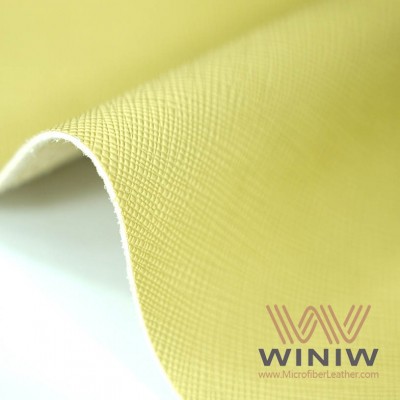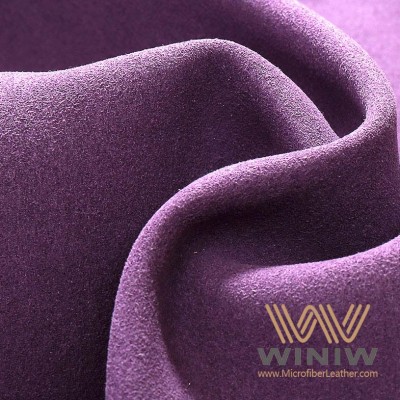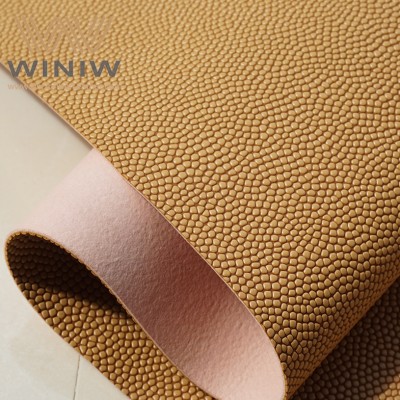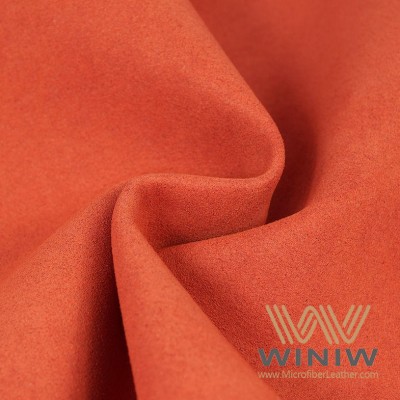
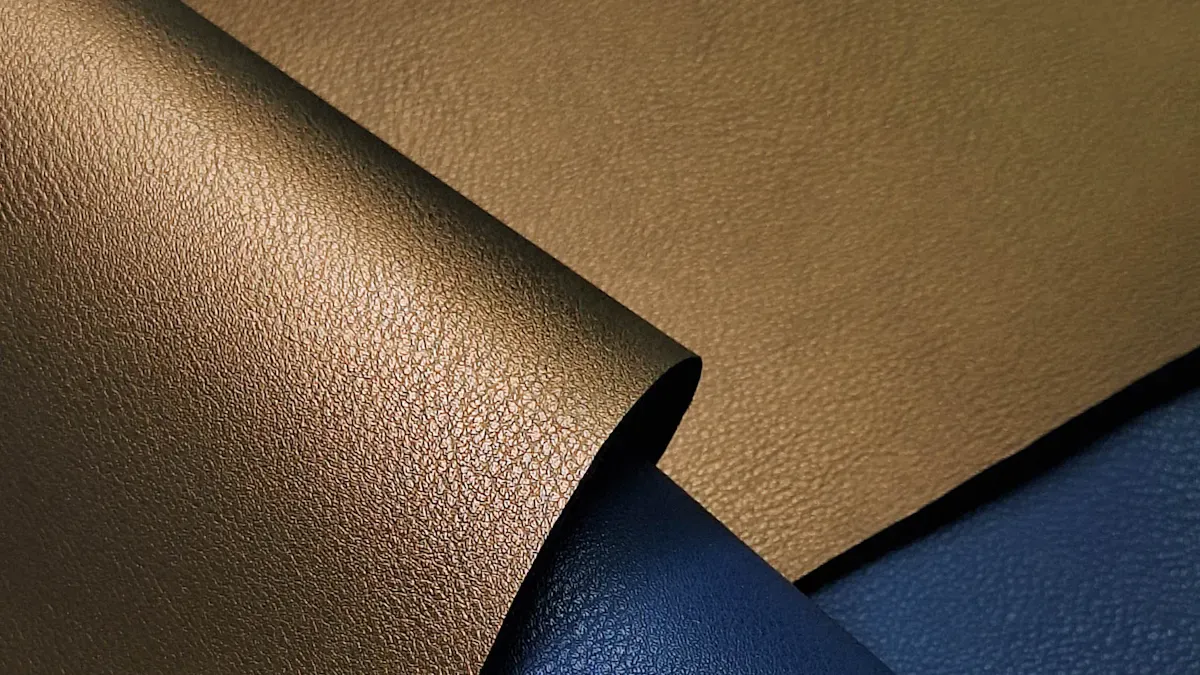
Gli acquirenti possono identificare l'alta qualità Pelle sintetica Per valutare la qualità di una borsa, gli esperti consigliano di concentrarsi su diversi indicatori critici. Raccomandano di esaminare la texture per verificarne la venatura naturale e la flessibilità, di controllare la precisione delle cuciture e di esaminare la robustezza della minuteria metallica. Inoltre, l'utilizzo e il prezzo spesso fungono da ulteriori segnali di qualità. Verificare l'etichetta e la certificazione aiuta a confermare che la borsa soddisfi gli standard del settore. Questi consigli sono validi sia per gli acquisti in negozio che online, consentendo agli acquirenti di scegliere con sicurezza i prodotti in pelle sintetica.
Esaminare la consistenza e la flessibilità per garantire che la pelle sintetica PU risulti morbida e si pieghi facilmente senza screpolarsi.
Verificare le cuciture e la fattura. per cuciture dritte e uniformi e cuciture sicure che garantiscono la durata nel tempo.
Verifica le etichette e le certificazioni per confermare l'autenticità e la qualità della borsa in similpelle.
Eseguire test pratici come il test di flessione e il test di resistenza ai graffi per valutare la robustezza e la qualità della borsa.
Per una manutenzione più semplice, si consiglia di optare per la pelle sintetica PU granulata, che riduce al minimo i graffi e nasconde efficacemente lo sporco.
Pelle sinteticaLa pelle PU, nota anche come pelle poliuretanica, appartiene alla famiglia delle pelli sintetiche. I produttori creano questo materiale applicando uno strato di poliuretano su una base di tessuto, ottenendo un prodotto che imita l'aspetto e la consistenza della pelle naturale. Questo processo produce un materiale flessibile, morbido e traspirante. Molti consumatori scelgono la pelle PU per la sua convenienza e versatilità rispetto alle altre tipologie di pelle disponibili oggi. Le caratteristiche della pelle PU includono una discreta resistenza, comfort e una finitura estetica realistica. La tabella seguente evidenzia il confronto tra la pelle PU e la pelle PU. ad un altro comune cuoio sintetico, Pelle in PVC:
Proprietà | Pelle sintetica | Pelle PVC |
|---|---|---|
Flessibilità e morbidezza | Sembra più simile alla vera pelle | Meno flessibile |
Comfort | Traspirante e confortevole | Meno traspirante |
Finitura estetica | Imita la pelle naturale | Aspetto meno realistico |
Durata | Resistente all'usura, utilizzo moderato | Altamente resistente, resiste ai graffi |
Nota ambientale | Parzialmente riciclabile | Non riciclabile |
Queste caratteristiche rendono la pelle PU una scelta popolare per borse e accessori, soprattutto per coloro che cercano alternative alla pelle sintetica.
Il dibattito di Pelle sintetica contro vera pelle Si concentra sull'origine dei materiali e sui processi di produzione. La vera pelle proviene da pelli animali, mentre la pelle sintetica (PU) utilizza materiali sintetici. La tabella seguente illustra le principali differenze nella loro produzione:
Aspetto | Processo di produzione della pelle PU | Processo di produzione della vera pelle |
|---|---|---|
Base di materiale | Si parte da un supporto in tessuto (tessuto, non tessuto, ecc.). | Pelli di animali (mucca, capra, ecc.) |
Metodo di rivestimento | Utilizza un rivestimento in poliuretano (processo a secco o a umido) | Processo di concia per la conservazione delle pelli |
Trattamento superficiale | Rilievo con motivi a trama dopo la verniciatura | Venatura e trama naturali del cuoio |
Traspirabilità | Varia a seconda del metodo di rivestimento (il processo a umido è più traspirante). | Generalmente meno traspirante |
Costo | Generalmente più economico grazie ai materiali sintetici | Solitamente più costoso a causa dell'approvvigionamento e della lavorazione |
La vera pelle offre una texture unica e sviluppa una patina nel tempo. La pelle sintetica (PU) offre un aspetto uniforme e un prezzo inferiore. Entrambi i tipi di pelle hanno le proprie caratteristiche, ma la pelle sintetica come la PU è apprezzata da chi cerca prodotti privi di derivati animali e di facile manutenzione.
La vera pelle italiana si distingue tra tutti i tipi di pelle per la sua maestria artigianale e la sua qualità superiore. Gli artigiani utilizzano metodi di concia tradizionali e selezionano le pelli più pregiate, ottenendo un materiale dalla durata ineguagliabile e dal tocco lussuoso. Le caratteristiche della vera pelle italiana includono un aroma intenso, una grana naturale e la capacità di invecchiare con grazia. Al contrario, la pelle sintetica (PU) offre una superficie uniforme e resiste all'acqua, ma non può replicare la profondità e la bellezza che si evolve nel tempo che caratterizzano la vera pelle italiana. Quando si confronta la pelle sintetica con la vera pelle italiana, gli acquirenti dovrebbero considerare le proprie priorità: la pelle sintetica eccelle in termini di convenienza e facilità di manutenzione, mentre la vera pelle italiana offre una durata e un prestigio superiori. Le proprietà di ciascun materiale si adattano a esigenze diverse, pertanto è fondamentale comprendere le caratteristiche della vera pelle italiana prima di procedere all'acquisto.
Suggerimento: chi desidera un look lussuoso senza spendere una fortuna spesso opta per borse in ecopelle, ma chi cerca un prodotto di qualità destinata a durare nel tempo dovrebbe valutare le opzioni in vera pelle italiana.
La consistenza e la flessibilità fungono da primi indicatori di pelle sintetica di qualitàUna borsa in pelle di alta qualità dovrebbe risultare liscia e morbida al tatto. La superficie non dovrebbe apparire eccessivamente lucida o simile alla plastica. Quando maneggiata, la pelle sintetica di qualità si piega facilmente senza screpolarsi o mostrare segni bianchi. Questa flessibilità è indice di un'ottima fattura e garantisce una lunga durata. Molti esperti consigliano di premere delicatamente il materiale per verificarne l'elasticità. Se la borsa ritorna alla sua forma originale, significa che è realizzata con cura e che la pelle è di alta qualità.
La finitura superficiale e l'uniformità del colore rivelano molto sulla qualità artigianale delle borse in similpelle. La similpelle di qualità presenta un colore uniforme su tutta la superficie della borsa. Non dovrebbero esserci striature, macchie o zone sbiadite. La finitura deve apparire omogenea, con una lucentezza discreta che imita la pelle naturale. Un colore non uniforme o zone ruvide sono spesso indice di una scarsa qualità artigianale. Gli acquirenti dovrebbero esaminare la borsa con una buona illuminazione per valutare questi aspetti. Una finitura e un colore uniformi sono segno di attenzione ai dettagli e di un'elevata qualità artigianale.
La resistenza all'acqua è una caratteristica fondamentale della pelle sintetica di qualità. La pelle sintetica di alta qualità respinge l'acqua, prevenendo macchie e danni. Per verificarlo, è sufficiente depositare una piccola goccia d'acqua sulla superficie. Se l'acqua forma delle gocce e non viene assorbita, il materiale offre una buona protezione. Questa proprietà aumenta la durata e semplifica la manutenzione. La resistenza all'acqua contribuisce inoltre alla longevità delle borse in pelle sintetica, garantendo che mantengano il loro aspetto nel tempo.
Le cuciture e la costruzione riflettono l'elevata qualità artigianale delle borse in ecopelle. borse in pelle sintetica Presenta cuciture dritte e uniformi, senza fili allentati. Le cuciture devono risultare robuste e rinforzate, soprattutto nei punti di maggiore sollecitazione come manici e angoli. Cuciture resistenti sostengono la struttura e la durata della borsa. Gli acquirenti dovrebbero controllare la fodera interna e gli attacchi della ferramenta per verificarne la cura. Cuciture impeccabili e una solida costruzione dimostrano una lavorazione di qualità superiore e garantiscono una lunga durata.
Suggerimento: la cura artigianale, la texture appropriata e la robustezza della struttura distinguono le borse in ecopelle di alta qualità da quelle di qualità inferiore.
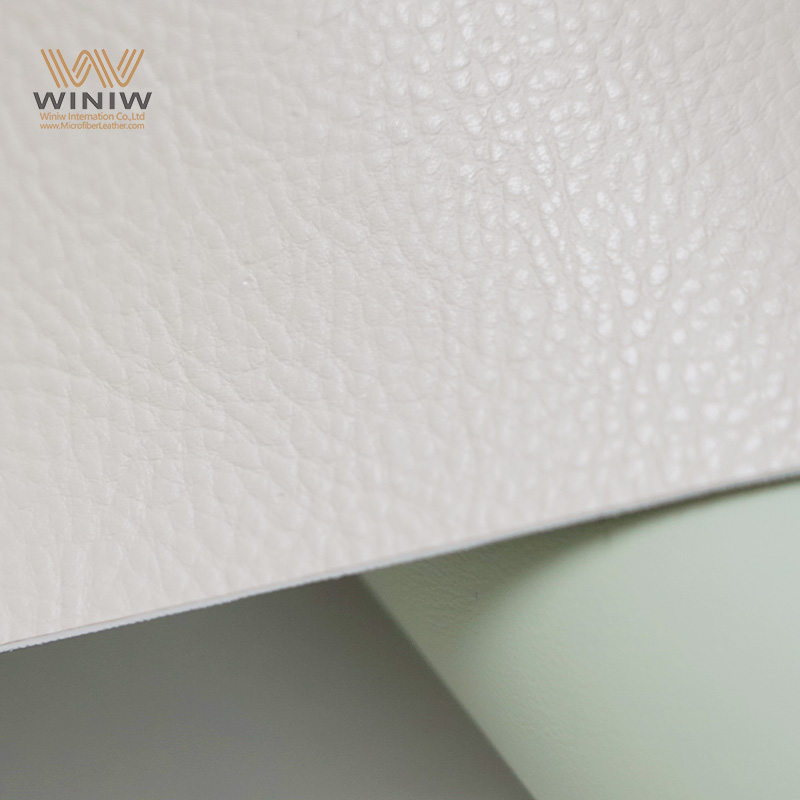
Il test di flessione è un metodo pratico per valutare la qualità della pelle sintetica. Gli acquirenti possono eseguire questo test piegando delicatamente una sezione della borsa, come una tracolla o un angolo. Osservare la reazione del materiale rivela molto sulla sua struttura e sulla sua durata.
Pelle sintetica PU di alta qualità si flette in modo naturale e forma rughe organichesimile alla pelle di alta qualità.
Il materiale ritorna alla sua forma originale con elasticità, senza mostrare segni permanenti.
La similpelle di bassa qualità risulta rigida e si sgualcisce in modo netto, simile alla plastica.
Quando si piega bruscamente il poliuretano di bassa qualità, compaiono spesso segni di stress bianchi, indice di una struttura debole.
Questo semplice test aiuta gli acquirenti a distinguere tra borse in ecopelle di qualità e quelle realizzate con materiali di qualità inferiore.
Il test del graffio offre un altro metodo affidabile per valutare la resistenza della pelle sintetica. Gli acquirenti possono graffiare leggermente un'area poco visibile della borsa con un'unghia o uno strumento morbido. La reazione della superficie fornisce informazioni sulla resistenza della borsa all'usura quotidiana.
Descrizione | |
|---|---|
Sbucciatura e delaminazione | Il rivestimento in poliuretano si separa dal supporto, iniziando nei punti di maggiore sollecitazione e diffondendosi rapidamente. |
Fessurazioni superficiali | Sottoponendo il materiale a flessione, soprattutto in condizioni di freddo, si forma una rete di crepe che crea un disegno a fessurazione. |
sfilacciatura dei bordi | A differenza dei bordi della vera pelle, i bordi della similpelle si sfilacciano o si separano, lasciando intravedere il tessuto sottostante. |
La pelle sintetica di qualità resiste ai graffi e mantiene una finitura liscia. Se la superficie si scrosta, si screpola o si sfilaccia, è probabile che la borsa sia realizzata con pelle sintetica di bassa qualità. Si consiglia di evitare le borse che presentano questi segni di danneggiamento durante il test di resistenza ai graffi.
Il controllo delle etichette e delle certificazioni rimane essenziale per chiunque voglia sapere come identificare la pelle PU di qualitàLe borse in vera pelle sintetica (PU) devono riportare informazioni chiare sul prodotto e certificazioni riconosciute. Gli acquirenti possono utilizzare diverse strategie per verificarne l'autenticità:
Eseguire un prova olfattivaLa vera pelle ha un aroma terroso, mentre i materiali sintetici spesso emanano un odore chimico o artificiale.
Esaminate la consistenza. La vera pelle presenta venature e imperfezioni uniche. La pelle sintetica, inclusa la PU, ha solitamente un motivo ripetitivo.
Esaminate i bordi. La vera pelle rivela una trama fibrosa sui bordi tagliati. La pelle sintetica (PU) presenta un bordo liscio, simile alla plastica.
Controlla l'etichetta del prodotto. Termini come "pelle PU" o "Ecopelle" indica materiali sintetici, mentre "pelle pieno fiore" o "pelle di prima qualità" si riferiscono a vera pelle.
Le certificazioni riconosciute a livello internazionale contribuiscono a confermare la qualità delle borse in similpelle:
Certificazione | Descrizione |
|---|---|
Indica la conformità ai sistemi di gestione della qualità, garantendo una qualità costante del prodotto. | |
PORTATA | Limita le sostanze pericolose nei prodotti venduti nell'UE, garantendo la sicurezza della pelle sintetica (PU). |
GRS | Verifica le dichiarazioni relative al contenuto riciclato, supportando la sostenibilità nell'approvvigionamento della pelle sintetica. |
BSCI | Garantisce pratiche lavorative etiche nella catena di fornitura, rilevanti per la produzione di pelle sintetica. |
Gli acquirenti dovrebbero cercare queste certificazioni sulle etichette dei prodotti o nelle descrizioni online. Questi marchi indicano che il produttore rispetta gli standard di qualità e sicurezza del settore.
Il prezzo è spesso un indicatore affidabile della qualità delle borse in similpelle. La similpelle di alta qualità richiede tecniche di produzione avanzate e materie prime migliori. Questi fattori aumentano i costi di produzione, che si riflettono sul prezzo al dettaglio.
Prezzi estremamente bassi di solito indicano l'utilizzo di poliuretano di bassa qualità o scorciatoie nella costruzione.
I prezzi di fascia media e alta spesso indicano una migliore fattura, materiali più resistenti e il rispetto di standard qualitativi elevati.
Gli acquirenti dovrebbero confrontare i prezzi tra diverse marche e rivenditori per farsi un'idea del costo tipico delle borse in ecopelle di qualità.
Sebbene il prezzo da solo non garantisca la qualità, fornisce un utile punto di riferimento. Gli acquirenti dovrebbero diffidare delle offerte che sembrano troppo belle per essere vere, poiché spesso si tratta di prodotti in similpelle di qualità inferiore o di una lavorazione scadente.
Suggerimento: combinare test pratici, controlli delle etichette e confronti di prezzo offre agli acquirenti un approccio completo per scegliere borse in ecopelle di qualità.
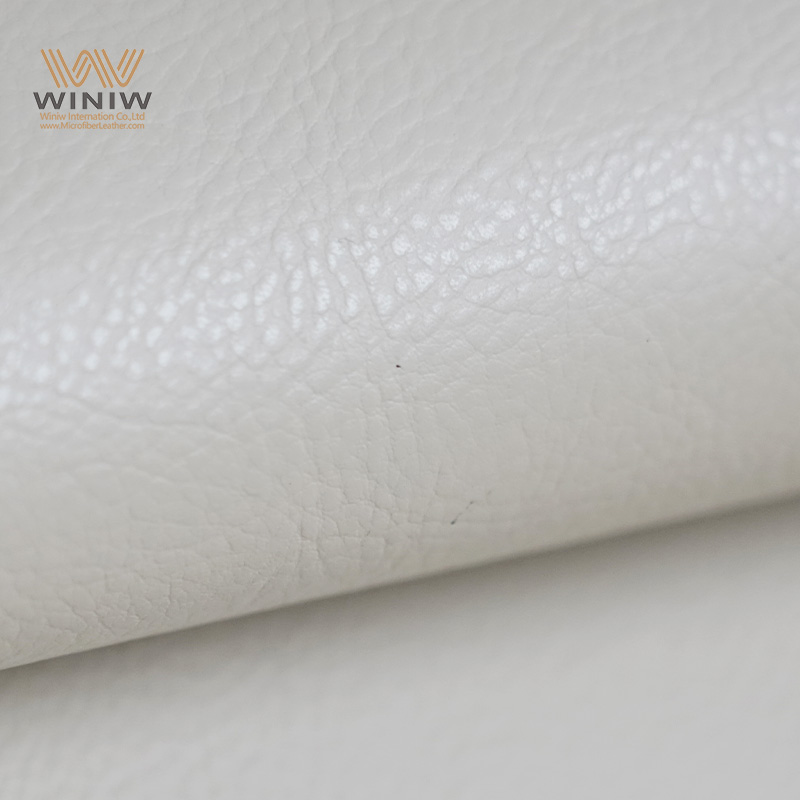
Chi visita i negozi può utilizzare una pratica lista di controllo per valutare le borse in similpelle. Dovrebbe iniziare toccandone la consistenza. Pelle di alta qualità La pelle sintetica è morbida e flessibile al tatto. Gli acquirenti devono verificare l'uniformità del colore e della finitura. Devono ispezionare le cuciture per assicurarsi che siano dritte e ben salde. La minuteria metallica deve apparire robusta e funzionare senza intoppi. L'impermeabilità può essere testata depositando una goccia d'acqua sulla superficie della pelle sintetica. La borsa dovrebbe respingere l'umidità. Gli acquirenti devono esaminare l'etichetta per verificare le certificazioni e le informazioni sui materiali. Devono eseguire il test di flessione e il test di graffio per confermare la durata. Una checklist aiuta gli acquirenti a evitare borse in pelle sintetica di bassa qualità.
Percepisci la consistenza e la flessibilità
Verificare la consistenza del colore e la finitura della superficie.
Verificare le cuciture e la fattura.
Testare la durata dell'hardware
VALUTARE la resistenza all'acqua
Esaminare etichette e certificazioni
Eseguire test di flessione e di graffio
Suggerimento: un'accurata ispezione in negozio garantisce che gli acquirenti scelgano borse realizzate in ecopelle di qualità.
Gli acquirenti online si trovano ad affrontare sfide uniche quando scelgono borse in pelle PU. Dovrebbero leggere attentamente le descrizioni dei prodotti. Gli acquirenti devono cercare dettagli su materiale PUcostruzione e certificazioni. Le foto ad alta risoluzione aiutano a rivelare la consistenza e l'uniformità del colore. Le recensioni di altri clienti forniscono informazioni sulla qualità e la durata. Gli acquirenti dovrebbero confrontare i prezzi tra diversi rivenditori. Devono verificare la presenza di informazioni chiare sulla pelle sintetica utilizzata. I venditori affidabili spesso evidenziano le caratteristiche di qualità e offrono specifiche dettagliate.
Consiglio per lo shopping online | Beneficio |
|---|---|
Leggi le descrizioni dei prodotti | Comprendere il materiale e la qualità |
Esamina le foto | Valutare la consistenza e la finitura |
Verifica le certificazioni | Conferma l'autenticità |
Esaminare il feedback dei clienti | Scopri la durabilità |
Confronta i prezzi | Identificare borse in PU di qualità |
Le politiche di reso e garanzia tutelano gli acquirenti da eventuali delusioni. È fondamentale che i clienti esaminino attentamente queste politiche prima di acquistare borse in similpelle. Una politica di reso chiara consente di sostituire o restituire le borse che non soddisfano le aspettative di qualità. La copertura della garanzia è indice di fiducia nella durata del prodotto. Gli acquirenti dovrebbero cercare politiche che coprano i difetti della similpelle, della minuteria metallica e della fattura. I marchi affidabili offrono termini trasparenti e procedure semplici.
Nota: Comprendere le politiche di reso e garanzia aiuta gli acquirenti a sentirsi più sicuri quando investono in borse in ecopelle di qualità.
Chi cerca borse in pelle PU di alta qualità dovrebbe concentrarsi su texture, cuciture, componenti metallici e verifica dell'etichetta. Test pratici come le prove di flessione e di graffio aiutano a identificare la pelle PU resistente. Un'attenta ispezione previene errori comuni, tra cui ignorare l'attrito dell'ago da cucito, goffrare eccessivamente e scegliere lo strato di supporto sbagliato. Pelle sintetica PU con grana testurizzata e effetto granulato Riduce al minimo i graffi, distribuisce l'usura e nasconde lo sporco, offrendo vantaggi a lungo termine. Una semplice lista di controllo permette agli acquirenti di scegliere borse in pelle PU che offrono un valore duraturo e una qualità superiore.
Nella pelle sintetica (PU) è importante che la texture e la flessibilità siano uniformi.
Verificare la resistenza delle cuciture e della fattura.
Verifica le etichette e le certificazioni per assicurarti che il PU sia autentico.
Utilizzare test pratici per valutare la qualità.
Per una manutenzione più semplice, si consiglia di optare per la similpelle granulata.
Errore | Descrizione |
|---|---|
Ignorare l'attrito dell'ago da cucito | Le macchine da cucire ad alta velocità di rotazione possono fondere il poliuretano intorno ai fori dell'ago, causando punti saltati e cuciture deboli. |
Sovra-goffratura del materiale | Una goffratura profonda può compromettere l'integrità del materiale, rendendolo soggetto a strappi. |
Specificare lo strato di supporto errato | I deboli legami chimici tra il poliuretano e il supporto possono causare delaminazione, compromettendo la durata. |
Chi acquista borse in ecopelle che privilegiano qualità e convenienza apprezza i prodotti resistenti all'uso quotidiano e che richiedono poca manutenzione.
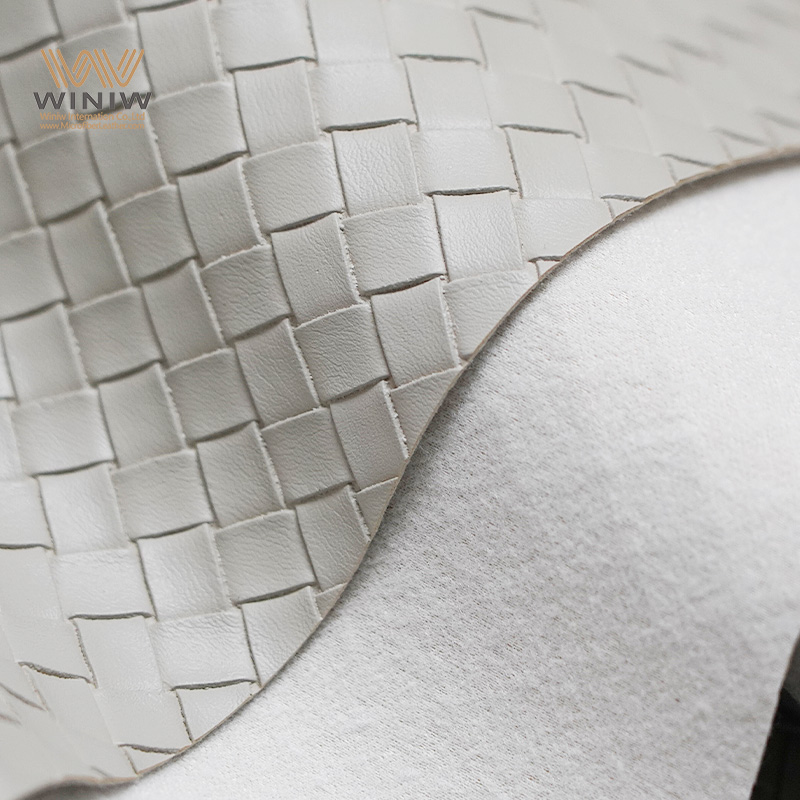
Borse in similpelle Si utilizza un rivestimento sintetico in poliuretano su una base di tessuto. Le borse in vera pelle provengono da pelli animali. La pelle PU offre un aspetto uniforme e un prezzo inferiore. La vera pelle sviluppa una patina e dura più a lungo con la dovuta cura.
È consigliabile pulire la superficie con un panno umido e sapone neutro. Evitare prodotti chimici aggressivi e la luce solare diretta. Conservare le borse in un luogo fresco e asciutto. Una pulizia regolare contribuisce a preservare l'aspetto e a prolungare la durata della pelle sintetica.
I produttori utilizzano sempre meno prodotti di origine animale nella produzione di pelle sintetica (PU). Alcuni marchi impiegano materiali riciclati. Tuttavia, il processo prevede ancora l'utilizzo di plastica. Gli acquirenti dovrebbero verificare la presenza di certificazioni come GRS per accertarsi che le pratiche adottate siano ecocompatibili.
Le borse in ecopelle di alta qualità resistono all'usura quotidiana. Le cuciture robuste e la componentistica resistente ne aumentano la durata. Si consiglia agli acquirenti di verificare la fattura ed effettuare semplici test per assicurarsi che la borsa soddisfi le proprie esigenze di utilizzo regolare.
Prezzi più elevati spesso indicano materiali e lavorazione migliori. Le borse in similpelle estremamente economiche potrebbero essere realizzate con componenti di qualità inferiore. Gli acquirenti dovrebbero confrontare i prezzi e verificare la presenza di certificazioni per assicurarsi un prodotto di qualità e durevole.
Business Phone : +8618150976625
E-mail : Hello@MicrofiberLeather.com
Mobile & WhatsApp : +8618150976625
Indirizzo : W6-302 Shimao Manhadun Shuanglong Road, Jinjiang Quanzhou Fujian China



© Diritto d'autore 2022 Winiw International Co., Ltd.Tutti i diritti riservati.
XML | politica sulla riservatezza |