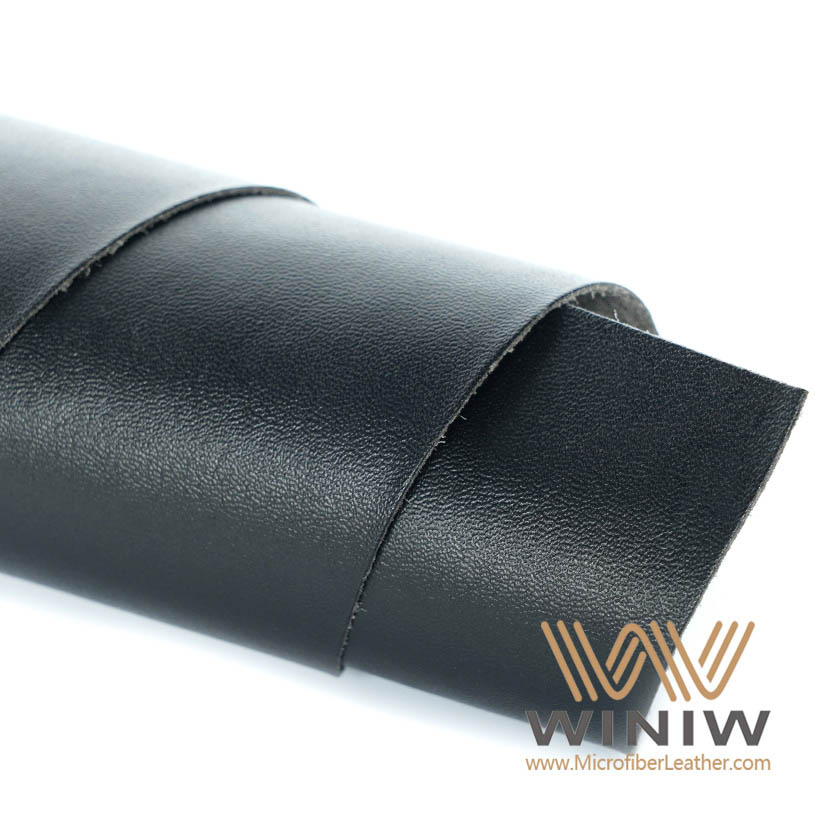
Nella scelta dei tessuti ignifughi, l'affidabilità del fornitore è la priorità assoluta. Partner affidabili aiutano le aziende a proteggere i lavoratori che dipendono dai dispositivi di protezione individuale (DPI). Garantiscono che ogni lotto di microfibra ignifuga soddisfi rigorosi standard di sicurezza. Decisioni di approvvigionamento errate possono portare a non conformità, richiami di prodotti o guasti. Un'attenta selezione riduce questi rischi e rafforza la fiducia nella catena di fornitura. Gli acquirenti più accorti richiedono sempre una prova di qualità prima di impegnarsi in un acquisto.
dare priorità affidabilità del fornitore per garantire la sicurezza e la conformità dei tessuti ignifughi.
Richiedete e verificate sempre le certificazioni come NFPA e OEKO-TEX per confermare la sicurezza del prodotto.
Effettuare verifiche approfondite della documentazione per garantire la conformità agli standard di sicurezza.
Richiedi campioni di prodotto a valutare la qualità prima di prendere una decisione di acquisto.
Cerca fornitori con recensioni positive da parte dei clienti e una solida reputazione nel settore.
Garantire una comunicazione chiara e risposte tempestive da parte dei fornitori per evitare incomprensioni.
Scegliete fornitori che offrano prezzi trasparenti con preventivi dettagliati per evitare costi nascosti.
Utilizza una checklist strutturata per valutare i fornitori in modo coerente e prendere decisioni informate.
Le certificazioni svolgono un ruolo vitale nel mondo di tessuti ignifughiQueste certificazioni aiutano le aziende a dimostrare che i loro prodotti soddisfano rigorosi standard di sicurezza. Inoltre, attestano che i tessuti sono in grado di proteggere gli utenti in ambienti pericolosi. Senza un'adeguata certificazione, i tessuti ignifughi potrebbero non offrire il livello di protezione richiesto dalla legge o dalle normative di settore. Le aziende che utilizzano tessuti ignifughi non certificati rischiano di non superare le ispezioni, di dover affrontare richiami di prodotti o addirittura di causare danni agli utenti finali.
Diverse organizzazioni definiscono gli standard di sicurezza per i tessuti ignifughi. La National Fire Protection Association (NFPA) elabora codici che regolano l'utilizzo di tessuti ignifughi in indumenti e attrezzature di protezione. La certificazione OEKO-TEX verifica la presenza di sostanze nocive nei tessuti, assicurandone la sicurezza per l'uso umano. Altre certificazioni importanti includono il riconoscimento UL, che conferma che i materiali ignifughi soddisfano rigorosi requisiti di collaudo.
Certificazioni di settore per tessuti ignifughi garantire il rispetto di norme di sicurezza, il che è fondamentale per la sicurezza del prodotto.
Per stare al passo con le normative in continua evoluzione, sono necessari continui test e certificazioni dei prodotti, con un impatto sugli sforzi di conformità dei produttori.
Le differenze normative tra le varie regioni obbligano i produttori a modificare i prodotti e a ottenere certificazioni aggiuntive, complicando la conformità e l'ingresso nel mercato.
I produttori devono tenersi aggiornati su queste certificazioni perché le normative cambiano spesso. I tessuti ignifughi che soddisfano gli standard di una regione potrebbero richiedere ulteriori test per essere utilizzati in un altro paese. Questo processo contribuisce a garantire che i tessuti ignifughi siano sicuri e affidabili per tutti.
Per dimostrare la conformità, i fornitori devono fornire una documentazione chiara relativa ai loro tessuti ignifughi. Gli acquirenti dovrebbero sempre richiedere questi documenti prima di effettuare un acquisto. La tabella seguente elenca tipologie comuni di documentazione utilizzate per verificare la conformità con standard di resistenza alla fiamma:
Tipo di documentazione | Descrizione |
|---|---|
Marchi di riconoscimento UL e numeri di file | Verifica della conformità agli standard UL |
Certificati di collaudo del produttore | Prova dei test e della conformità |
Schede tecniche dei materiali | Dettagli sui materiali utilizzati |
Conformità alle istruzioni di installazione | Garantisce corrette pratiche di installazione |
Verbali e risultati delle ispezioni | Documentazione delle ispezioni effettuate |
Rapporti sulle attività di manutenzione | Registri della manutenzione effettuata |
Tracciabilità dei pezzi di ricambio | Tracciamento dei pezzi utilizzati per le sostituzioni |
Aggiornamenti sulla certificazione di conformità | Garantisce la conformità continua agli standard |
Questi documenti aiutano gli acquirenti a verificare che i tessuti ignifughi soddisfino tutti gli standard di sicurezza richiesti. Forniscono inoltre una documentazione relativa a test, ispezioni e manutenzione, a supporto della conformità continua.
I test effettuati da terze parti aggiungono un ulteriore livello di affidabilità al processo di certificazione dei tessuti ignifughi. Laboratori indipendenti testano i tessuti ignifughi per assicurarsi che soddisfino tutti gli standard di sicurezza. Questo processo aiuta gli acquirenti a non basarsi esclusivamente sulle dichiarazioni dei fornitori. Molti corpi dei vigili del fuoco ora inviano le proprie attrezzature a test indipendenti per garantire che siano conformi alle normative statali. Questa tendenza dimostra la crescente domanda di trasparenza nell'utilizzo di materiali ignifughi.
Il processo di verifica prevede test indipendenti di terze parti per confermare la conformità alle certificazioni dei tessuti ignifughi.
Questo cambiamento è determinato dalle pressioni normative e dalla necessità di trasparenza nell'uso dei PFAS nelle attrezzature antincendio.
I vigili del fuoco sottopongono sempre più spesso le proprie attrezzature a test per garantirne la conformità alle normative statali.
I test effettuati da terze parti tutelano gli acquirenti da rischi nascosti. Aiutano inoltre le aziende a rimanere al passo con le normative in continua evoluzione relative ai tessuti ignifughi. Scegliendo fornitori che offrono risultati di test di terze parti, gli acquirenti possono essere certi che i tessuti ignifughi che riceveranno avranno le prestazioni promesse.
Mancia: Quando si acquistano tessuti ignifughi, è sempre opportuno richiedere rapporti di prova di terze parti e documentazione aggiornata. Questo passaggio garantisce che i tessuti soddisfino gli standard di sicurezza e i requisiti normativi vigenti.
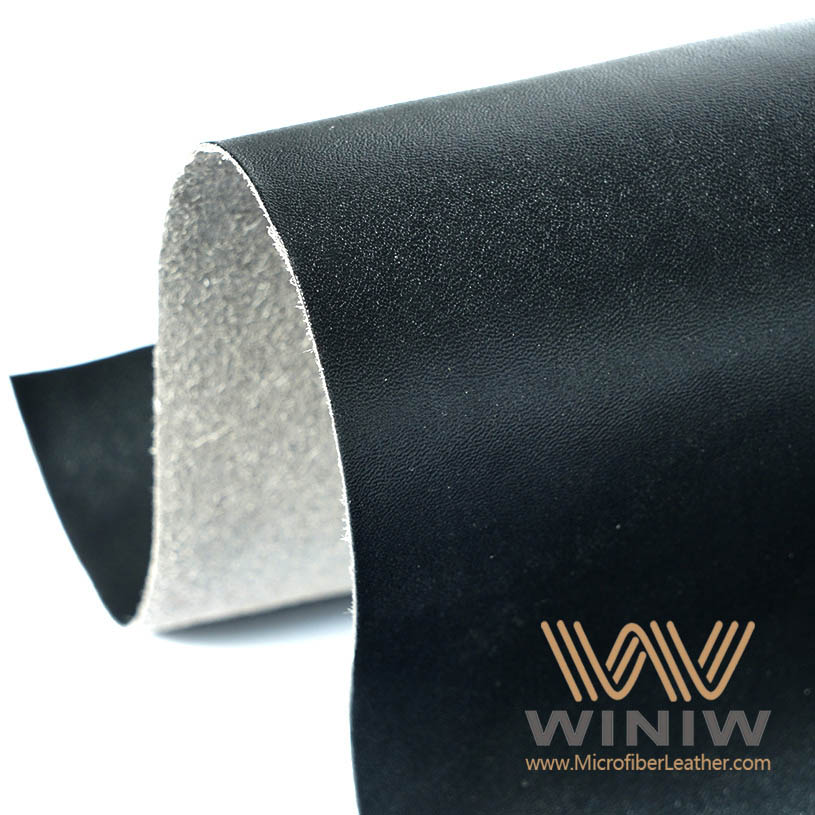
La scelta di un fornitore affidabile di microfibra ignifuga richiede un'attenta valutazione della sua reputazione. La reputazione di un fornitore riflette spesso il suo impegno per la qualità, la soddisfazione del cliente e il rispetto degli standard di settore. Gli acquirenti dovrebbero raccogliere informazioni da diverse fonti per avere un quadro completo.
Le piattaforme online offrono preziose informazioni sulle prestazioni dei fornitori. Siti web come Alibaba, ThomasNet e forum di settore consentono agli acquirenti di leggere le recensioni di altri clienti. Queste recensioni spesso evidenziano punti di forza e di debolezza in aree quali la qualità del prodotto, i tempi di consegna e il servizio clienti. Un feedback positivo è generalmente indice di un fornitore affidabile. Recensioni negative o reclami irrisolti possono invece indicare potenziali rischi.
Mancia: Cerca fornitori con un elevato numero di recensioni positive accumulate nel tempo. La coerenza dei feedback è indice di prestazioni stabili.
Le referenze dirette offrono un ulteriore livello di garanzia. Gli acquirenti possono richiedere i recapiti di clienti precedenti e parlare direttamente con loro. Queste conversazioni aiutano a verificare le affermazioni fatte dal fornitore. Le domande chiave potrebbero includere:
Il fornitore ha consegnato i prodotti in tempo?
Era il microfibra ignifuga qualità costante?
Come ha gestito il fornitore problemi o reclami?
Le referenze dirette spesso forniscono un feedback onesto che le recensioni online potrebbero non cogliere.
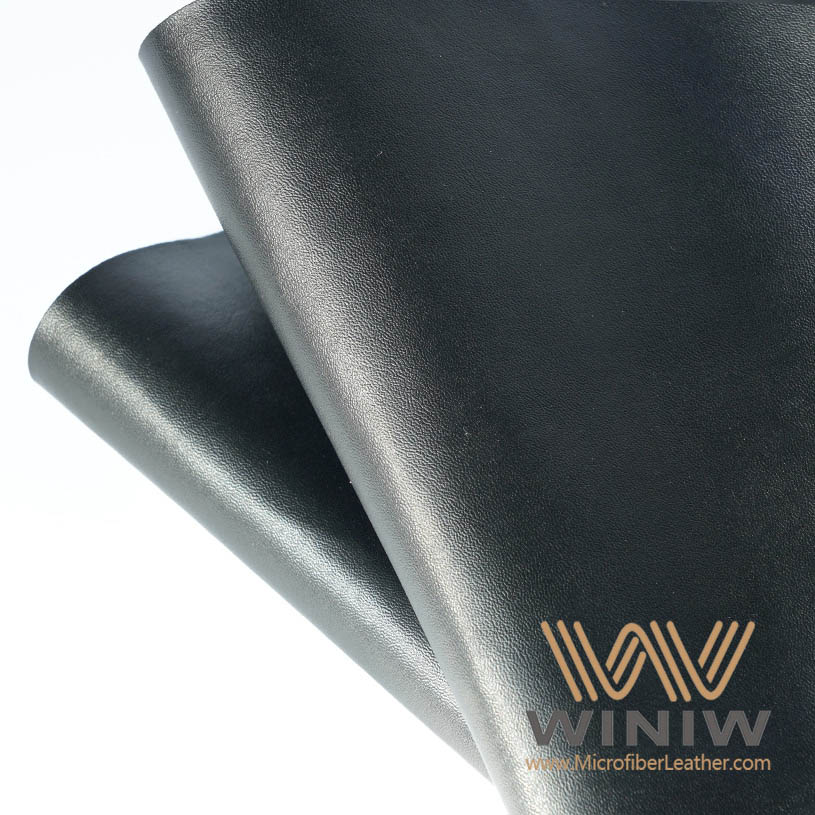
L'esperienza di un fornitore nel settore è spesso sinonimo di affidabilità. Le aziende che operano da molti anni solitamente comprendono la complessità della produzione di microfibre ignifughe e hanno probabilmente affrontato e risolto diverse sfide. La longevità aziendale suggerisce inoltre stabilità finanziaria e un impegno verso partnership a lungo termine.
Anni di attività | Indicatore di affidabilità |
|---|---|
1-3 | Nuovo, meno collaudato |
4-7 | Acquisire esperienza |
8+ | Azienda affermata e affidabile |
Non tutti i fornitori con esperienza nel settore sono specializzati in microfibra ignifuga. Gli acquirenti dovrebbero richiedere casi di studio o riepiloghi di progetti che dimostrino la competenza del fornitore In questo specifico settore, un solido curriculum include consegne andate a buon fine, feedback positivi da parte dei clienti e conformità agli standard di sicurezza. I fornitori in grado di fornire prove delle prestazioni passate nella microfibra ignifuga ispirano maggiore fiducia durante il processo di approvvigionamento.
Nota: I fornitori con una comprovata esperienza nel settore delle microfibre ignifughe hanno maggiori probabilità di comprendere i requisiti normativi e di fornire una qualità costante.
La selezione di microfibre ignifughe di alta qualità richiede un approccio pratico. Gli acquirenti non devono affidarsi solo alle dichiarazioni del fornitore. Devono vedere e testare il prodotto reale. tessuti ignifughi prima di prendere una decisione. Questa sezione spiega come richiedere i campioni, valutarli e comprendere le procedure di prova che garantiscono sicurezza e prestazioni.
La richiesta di campioni è una fase cruciale del processo di approvvigionamento. I campioni consentono agli acquirenti di esaminare le proprietà fisiche dei tessuti ignifughi. Possono verificarne la consistenza, lo spessore e la flessibilità. Un buon campione dovrebbe risultare uniforme al tatto e privo di punti deboli. Gli acquirenti dovrebbero inoltre esaminare il colore e la finitura. L'uniformità in questi aspetti è spesso indice di elevati standard di produzione.
Quando si valuta la microfibra ignifuga, gli acquirenti dovrebbero eseguire semplici test. Possono piegare, allungare e strofinare i tessuti per verificarne la resistenza. Dovrebbero cercare segni di sfilacciamento o scolorimento. Questi problemi potrebbero indicare una scarsa qualità. Gli acquirenti possono anche esporre piccoli pezzi del campione a fonti di calore controllate. Questo test aiuta a confermare le proprietà ignifughe dei tessuti. Se il campione resiste all'accensione e non si scioglie né gocciola, supera un controllo di sicurezza di base.
Mancia: Richiedete sempre più campioni da lotti di produzione differenti. Questa pratica aiuta a identificare eventuali incongruenze nei tessuti ignifughi.
Il confronto tra campioni provenienti da diversi fornitori offre agli acquirenti un quadro chiaro delle differenze qualitative. Dovrebbero creare una lista di controllo per valutare ciascun campione in base a fattori chiave, quali aspetto, resistenza e resistenza alla fiamma. Gli acquirenti possono utilizzare una tabella come quella riportata di seguito per organizzare i risultati:
Nome del fornitore | Aspetto | Forza | Resistenza alla fiamma | Credito complessivo |
|---|---|---|---|---|
Fornitore A | Bene | Alto | Eccellente | 9/10 |
Fornitore B | Giusto | Mezzo | Bene | 7/10 |
Fornitore C | Eccellente | Alto | Eccellente | 10/10 |
Questo metodo aiuta gli acquirenti a scegliere la microfibra ignifuga più adatta alle loro esigenze. Inoltre, incoraggia i fornitori a mantenere standard elevati per i loro tessuti ignifughi.
Le procedure di collaudo svolgono un ruolo fondamentale nella verifica della sicurezza dei tessuti ignifughi. Alcuni fornitori effettuano test interni, che possono fornire risultati rapidi. Tuttavia, gli acquirenti non dovrebbero affidarsi esclusivamente ai test interni. I laboratori indipendenti offrono risultati imparziali, utilizzando attrezzature all'avanguardia e seguendo protocolli rigorosi. I test indipendenti confermano che la microfibra ignifuga soddisfa gli standard di settore.
Gli acquirenti dovrebbero chiedere ai fornitori informazioni sui metodi di prova utilizzati. Dovrebbero richiedere la prova di test di laboratorio indipendenti per tutti i tessuti ignifughi. Questo passaggio aggiunge un ulteriore livello di sicurezza e protegge gli acquirenti da rischi nascosti.
I rapporti di prova forniscono informazioni dettagliate sulle prestazioni dei tessuti ignifughi. Gli acquirenti dovrebbero esaminare attentamente questi rapporti, verificando le date dei test, i metodi utilizzati e i risultati. I rapporti dovrebbero dimostrare che la microfibra ignifuga ha superato tutti i test di sicurezza richiesti. I test principali includono prove di infiammabilità verticale, tempo di post-combustione e misurazioni della lunghezza della carbonizzazione.
Un fornitore affidabile condividerà report di prova completi e recenti. Gli acquirenti dovrebbero confrontare i report di diversi fornitori, verificando la coerenza dei risultati. Eventuali lacune o dati mancanti potrebbero indicare un problema con i tessuti ignifughi.
Nota: Conservate sempre copie dei rapporti di prova per riferimento futuro. Questi documenti attestano la conformità e aiutano a risolvere eventuali controversie in caso di problemi di qualità.
Valutazione microfibra ignifuga La qualità richiede attenzione ai dettagli. Gli acquirenti devono richiedere campioni, confrontarli ed esaminare i risultati dei test. Dovrebbero scegliere fornitori che si avvalgono di laboratori indipendenti e che forniscono una documentazione completa. Questo approccio garantisce che tutti i tessuti ignifughi soddisfino i più elevati standard di sicurezza.
Ogni settore ha esigenze specifiche per i tessuti ignifughi. Alcune aziende necessitano di tessuti leggeri per le uniformi, mentre altre richiedono materiali resistenti per i dispositivi di protezione individuale industriali. Fornitori affidabili offrono una vasta gamma di opzioni di personalizzazione per soddisfare queste esigenze. Possono regolare spessore, colore e consistenza. Possono anche offrire diversi livelli di resistenza alla fiamma a seconda dell'uso previsto.
Un fornitore che comprende le esigenze applicative può consigliare i tessuti più adatti a ogni situazione. Ad esempio, un ospedale potrebbe aver bisogno di tessuti morbidi e traspiranti per la biancheria da letto, mentre un'impresa edile potrebbe necessitare di tessuti resistenti e durevoli per gli indumenti protettivi. La personalizzazione garantisce che i tessuti offrano prestazioni ottimali nelle condizioni reali di utilizzo.
Mancia: Durante il processo di approvvigionamento, gli acquirenti dovrebbero comunicare chiaramente le proprie esigenze. Specifiche dettagliate aiutano i fornitori a consegnare tessuti che soddisfino appieno le necessità di ogni progetto.
La trasparenza nelle pratiche di approvvigionamento crea fiducia tra acquirenti e fornitori. Un fornitore affidabile condivide informazioni sulla provenienza delle materie prime, spiega i processi produttivi e le procedure di controllo qualità. Questa trasparenza aiuta gli acquirenti a comprendere come vengono realizzati i tessuti e se vengono rispettati gli standard etici.
I fornitori che praticano la trasparenza spesso forniscono documentazione sulla loro catena di approvvigionamento. Possono mostrare certificazioni relative all'approvvigionamento sostenibile o a pratiche lavorative etiche. Queste informazioni rassicurano gli acquirenti sul fatto che i tessuti soddisfano sia gli standard di sicurezza che quelli di responsabilità sociale.
Pieno divulgazione di materiale È essenziale per la sicurezza e la conformità. I fornitori devono elencare tutti i componenti utilizzati nei loro tessuti. Ciò include le fibre di base, i trattamenti ignifughi e qualsiasi additivo. Gli acquirenti necessitano di queste informazioni per verificare che i tessuti soddisfino i requisiti normativi.
Una tabella può essere utile per organizzare i dettagli dei materiali:
Componente | Scopo | Certificazione di sicurezza |
|---|---|---|
Fibra di base | Struttura del tessuto | OEKO-TEX |
Ignifugo | Resistenza al fuoco | NFPA |
additivi | Maggiore durata | UL |
Quando i fornitori forniscono informazioni chiare e trasparenti sui materiali, gli acquirenti possono prendere decisioni consapevoli. Possono inoltre reagire tempestivamente in caso di modifiche normative o se i clienti richiedono ulteriori informazioni.
Nota: Richiedete sempre un elenco completo dei materiali e delle certificazioni prima di finalizzare qualsiasi ordine di tessuti ignifughi.
Una comunicazione efficace e un supporto affidabile sono alla base di partnership di successo con i fornitori di microfibra ignifuga. Le aziende che valorizzano un dialogo chiaro e l'assistenza tecnica aiutano gli acquirenti a evitare incomprensioni ed errori costosi. Questa sezione spiega come la reattività e l'accesso a un supporto specializzato influenzino il processo di approvvigionamento.
La capacità di un fornitore di rispondere in modo rapido e chiaro è spesso indice del suo impegno per la soddisfazione del cliente. Quando gli acquirenti inviano richieste, si aspettano risposte tempestive che affrontino direttamente le loro domande. Risposte ritardate o vaghe possono causare frustrazione e rallentare i progetti. I fornitori affidabili di solito rispondono entro un giorno lavorativo e forniscono risposte dettagliate.
Gli acquirenti dovrebbero testare la reattività del fornitore all'inizio del rapporto. Possono inviare domande di esempio su specifiche del prodotto o tempistiche degli ordini. I fornitori che rispondono rapidamente e con informazioni chiare dimostrano di apprezzare la collaborazione. Una comunicazione costante aiuta anche a risolvere i problemi prima che si aggravino.
Mancia: Conservate una registrazione di tutte le comunicazioni con i fornitori. Questa pratica aiuta a monitorare i tempi di risposta e a garantire la trasparenza.
Una semplice tabella può aiutare gli acquirenti a confrontare la reattività dei fornitori:
Nome del fornitore | Tempo medio di risposta | Qualità della comunicazione |
|---|---|---|
Fornitore X | 4 ore | Chiaro e dettagliato |
Fornitore Y | 2 giorni | Breve e poco chiaro |
Fornitore Z | 1 giorno | Soddisfacente |
L'assistenza tecnica riveste un ruolo cruciale nella selezione e nell'utilizzo delle microfibre ignifughe. I fornitori con personale qualificato possono rispondere a domande complesse relative alle prestazioni del prodotto, alle certificazioni e ai metodi di applicazione. L'accesso a esperti garantisce agli acquirenti una consulenza accurata durante tutto il processo di approvvigionamento.
Gli acquirenti dovrebbero chiedere se il fornitore offre accesso diretto a specialisti tecnici. Questi esperti possono aiutare a interpretare i rapporti di prova, consigliare prodotti adatti e risolvere eventuali problemi. Alcuni fornitori mettono a disposizione team di supporto dedicati o assegnano un referente tecnico a ciascun cliente.
Il supporto di esperti aiuta gli acquirenti a:
Comprendere i requisiti di certificazione
Selezionare la microfibra ignifuga più adatta a specifici utilizzi.
Risolvere rapidamente i problemi tecnici
Nota: I fornitori che investono nella formazione tecnica del proprio personale spesso offrono un servizio migliore e prodotti più affidabili.
Una comunicazione efficace e un solido supporto tecnico riducono i rischi e rafforzano la fiducia. Gli acquirenti che danno priorità a questi fattori in fase di approvvigionamento hanno maggiori probabilità di instaurare rapporti di successo e duraturi con i fornitori.
A catena di approvvigionamento affidabile Garantisce che la microfibra ignifuga arrivi in tempo e in buone condizioni. Le aziende dipendono da fornitori in grado di consegnare i prodotti senza ritardi o danni. Questa sezione spiega come gli acquirenti possono valutare l'affidabilità delle consegne e la scalabilità dei fornitori.
I fornitori devono dimostrare di essere in grado di consegnare gli ordini come promesso. Consegne affidabili supportano i programmi di produzione e aiutano le aziende a evitare costosi tempi di inattività. Gli acquirenti dovrebbero chiedere ai fornitori informazioni sul loro storico di consegne e richiedere dati sulle spedizioni precedenti.
I tassi di puntualità indicano la frequenza con cui un fornitore rispetta le date di consegna concordate. Tassi elevati di puntualità indicano una logistica e una pianificazione efficienti. Tassi bassi possono segnalare problemi di inventario, trasporto o comunicazione.
Una semplice tabella aiuta gli acquirenti a confrontare le prestazioni dei fornitori:
Nome del fornitore | Tasso di consegne puntuali | Ritardo medio (giorni) |
|---|---|---|
Fornitore A | 98% | 1 |
Fornitore B | 90% | 3 |
Fornitore C | 85% | 5 |
Mancia: Scegliete fornitori con un tasso di puntualità superiore al 95%. Prestazioni costanti riducono il rischio di ritardi nel progetto.
Gli acquirenti possono anche richiedere referenze ad altri clienti. Queste referenze possono confermare se il fornitore mantiene le promesse.
La scalabilità misura la capacità di un fornitore di gestire le variazioni delle dimensioni degli ordini. Le aziende potrebbero dover aumentare o diminuire gli ordini in base alla domanda. Un fornitore scalabile si adatta rapidamente e mantiene la qualità.
Alcuni progetti richiedono grandi quantità di microfibra ignifugaNon tutti i fornitori sono in grado di gestire ordini di grandi quantità senza ritardi o problemi di qualità. Gli acquirenti dovrebbero informarsi sulla capacità produttiva massima e sui tempi di consegna per ordini di grandi dimensioni.
Una lista di controllo per valutare la capacità di gestire ordini di grandi dimensioni:
Il fornitore è in grado di fornire programmi di produzione per ordini di grandi quantità?
Il fornitore ha a disposizione una quantità sufficiente di materie prime?
Il fornitore ha già effettuato ordini di grandi dimensioni in passato?
I fornitori che rispondono chiaramente a queste domande dimostrano di poter supportare le aziende in crescita.
Flessibilità significa che un fornitore può adattarsi a variazioni nelle dimensioni degli ordini, nelle date di consegna o nelle specifiche del prodotto. I fornitori flessibili aiutano le aziende a rispondere ai cambiamenti del mercato e alle esigenze urgenti.
Nota: I fornitori flessibili offrono spesso spedizioni rapide, produzione urgente o consegne frazionate. Queste opzioni aiutano gli acquirenti a gestire i cambiamenti imprevisti.
Durante le trattative, gli acquirenti dovrebbero discutere della flessibilità. Possono chiedere esempi di come il fornitore ha gestito in passato modifiche dell'ultimo minuto.
Una solida catena di approvvigionamento favorisce la crescita e la stabilità aziendale. Gli acquirenti che valutano l'affidabilità e la scalabilità delle consegne riducono i rischi e instaurano partnership durature con i propri fornitori di microfibra ignifuga.
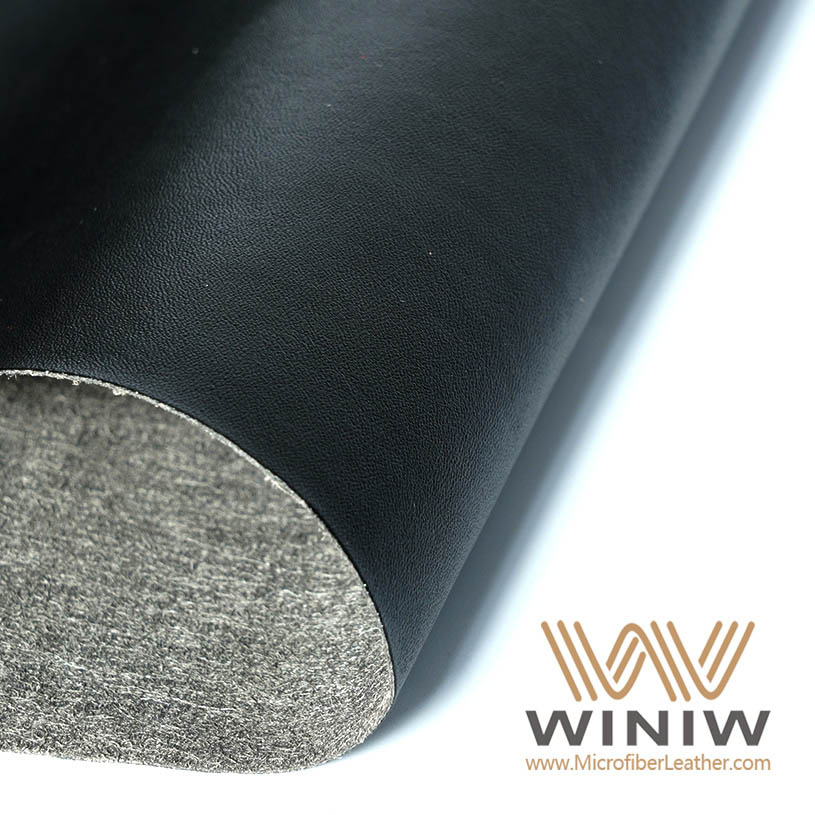
Comprendere i prezzi e le condizioni di pagamento aiuta gli acquirenti a evitare costi imprevisti quando approvvigionamento di tessuti in microfibra ignifughiI fornitori affidabili forniscono informazioni chiare sui prezzi e sulle modalità di pagamento. Questa sezione spiega come valutare la trasparenza dei prezzi e la sicurezza dei pagamenti.
Un fornitore affidabile fornisce sempre preventivi dettagliati. Questi preventivi suddividono il costo totale in categorie specifiche. Gli acquirenti possono visualizzare il prezzo per ogni tipo di tessuto, la spedizione, le tasse e gli eventuali servizi aggiuntivi. Questo livello di dettaglio facilita il confronto tra le offerte di diversi fornitori e aiuta gli acquirenti a comprendere appieno cosa stanno pagando.
Un esempio di preventivo dettagliato potrebbe essere il seguente:
Articolo | Descrizione | Costo |
|---|---|---|
Tessuti ignifughi | 1000 iarde, colore personalizzato | $5.000 |
Spedizione | Consegna standard | $300 |
Costi dei test | Certificazione di laboratorio da parte di terzi | $200 |
Totale |
| $5.500 |
Mancia: Richiedete sempre un preventivo dettagliato prima di effettuare un ordine. Questo passaggio evita incomprensioni e consente una migliore pianificazione del budget.
I costi nascosti possono aumentare il prezzo totale dei tessuti senza preavviso. I fornitori affidabili comunicano in anticipo tutti i possibili costi aggiuntivi. Gli acquirenti dovrebbero informarsi su eventuali costi extra, come quelli per ordini urgenti, imballaggio o documentazione. Se un fornitore evita di rispondere a domande sui costi, ciò potrebbe indicare una mancanza di trasparenza.
Una lista di controllo per individuare le commissioni nascoste:
Esamina attentamente tutte le voci del preventivo.
Informatevi sui costi aggiuntivi per i tessuti personalizzati.
Verifica se tasse e imposte sono incluse.
I metodi di pagamento sicuri tutelano sia gli acquirenti che i fornitori. La maggior parte delle aziende affidabili accetta bonifici bancari, carte di credito o piattaforme online sicure. Ogni metodo offre diversi livelli di protezione e praticità. Gli acquirenti dovrebbero scegliere l'opzione più adatta alle proprie esigenze e alle politiche aziendali.
Nota: Evitate i fornitori che accettano solo metodi di pagamento insoliti o che richiedono il pagamento su conti personali.
Termini e condizioni di pagamento chiari definiscono le aspettative di entrambe le parti. I fornitori dovrebbero specificare quando è dovuto il pagamento, ad esempio prima della spedizione o dopo la consegna. Dovrebbero inoltre illustrare le proprie politiche di rimborso e cancellazione. Gli acquirenti devono leggere attentamente questi termini per evitare malintesi.
Punti chiave da esaminare nelle condizioni di pagamento:
Piano di pagamento (acconto, saldo, traguardi)
Politica di rimborso per tessuti difettosi
Sanzioni per i pagamenti in ritardo
Comprendere i prezzi e le condizioni di pagamento garantisce una transazione senza intoppi. Gli acquirenti che puntano sulla trasparenza e sulla sicurezza riducono i rischi e costruiscono relazioni più solide con i propri fornitori.
La mancanza di certificazioni segnala un importante avvertimento quando si valutano i fornitori di tessuti ignifughiLe certificazioni attestano che i tessuti ignifughi soddisfano rigorosi standard di sicurezza e qualità. Senza questi documenti, gli acquirenti non possono confermare che i tessuti si comporteranno come richiesto in ambienti pericolosi. I fornitori che non sono in grado di fornire certificazioni aggiornate per i tessuti ignifughi potrebbero non rispettare le normative di settore. Questa mancanza di documentazione può comportare violazioni delle normative, problemi legali o la produzione di prodotti non sicuri.
Un fornitore affidabile presenta sempre certificazioni valide per i tessuti ignifughi. Queste possono includere i marchi NFPA, OEKO-TEX o UL. Gli acquirenti dovrebbero richiedere di visionare questi documenti prima di effettuare qualsiasi acquisto. Se un fornitore esita o adduce scuse, questo comportamento dovrebbe destare immediatamente sospetti. La mancanza di certificazioni spesso significa che il fornitore non ha testato correttamente i tessuti o che i tessuti ignifughi non soddisfano i requisiti di legge.
Avviso: Non accettate mai tessuti ignifughi privi della certificazione appropriata. Questa precauzione tutela sia l'azienda che gli utenti finali.
Una comunicazione inadeguata crea confusione e aumenta il rischio durante il processo di approvvigionamento di tessuti ignifughi. I fornitori che rispondono lentamente o forniscono risposte poco chiare potrebbero non dare la priorità alle esigenze del cliente. Questo comportamento spesso porta a incomprensioni sulle specifiche del prodotto, sui tempi di consegna o sulle proprietà dei tessuti ignifughi. Quando un fornitore non è in grado di spiegare le caratteristiche o i metodi di prova dei propri tessuti, gli acquirenti dovrebbero mettere in dubbio la sua competenza.
Una comunicazione chiara e tempestiva dimostra che un fornitore attribuisce grande importanza alla trasparenza e all'affidabilità. Gli acquirenti dovrebbero valutare la rapidità con cui i fornitori rispondono alle domande sui tessuti ignifughi. Ritardi o risposte vaghe possono essere indice di problemi più profondi, come la mancanza di conoscenze o la disorganizzazione. Una comunicazione costante contribuisce a prevenire errori costosi e garantisce che i tessuti ignifughi soddisfino tutte le aspettative.
Segnali di una comunicazione inefficace:
Tempi di risposta lunghi
Risposte evasive o incomplete
Difficoltà a contattare il personale tecnico
Le recensioni negative forniscono informazioni importanti sulla reputazione di un fornitore in materia di tessuti ignifughi. I clienti spesso condividono le proprie esperienze relative alla qualità del prodotto, all'affidabilità delle consegne e al servizio clienti. Una serie di feedback negativi suggerisce che il fornitore potrebbe non garantire la fornitura di tessuti ignifughi sicuri e di qualità costante. Gli acquirenti dovrebbero consultare diverse piattaforme di recensioni e cercare reclami ripetuti sugli stessi problemi.
Una tabella può essere utile per organizzare i risultati della revisione:
Nome del fornitore | Disturbi comuni | Valutazione complessiva |
|---|---|---|
Fornitore A | Consegne in ritardo | 2/5 |
Fornitore B | Scarsa resistenza alla fiamma | 1/5 |
Fornitore C | Assistenza clienti non reattiva | 2,5/5 |
Gli acquirenti dovrebbero contattare i clienti di riferimento per confermare l'accuratezza delle recensioni online. Se diversi clienti segnalano problemi con i tessuti ignifughi, questo aspetto non dovrebbe essere ignorato. Le recensioni negative spesso mettono in luce problematiche che potrebbero non essere presenti nei materiali di marketing o nelle presentazioni di vendita.
Mancia: Per avere un quadro completo dell'affidabilità di un fornitore di tessuti ignifughi, è utile consultare sia le recensioni online che le referenze dirette.
Prezzi poco chiari sono spesso un segnale di allarme nella valutazione dei fornitori di microfibra ignifuga. I fornitori affidabili presentano sempre i loro prezzi in modo trasparente e dettagliato. Quando un fornitore fornisce preventivi vaghi o evita di rispondere a domande sui costi, gli acquirenti dovrebbero procedere con cautela.
Gli acquirenti potrebbero notare diversi segnali di allarme relativi a prezzi poco chiari:
Il fornitore fornisce solo un importo totale forfettario senza specificare i costi.
La citazione cambia frequentemente senza alcuna spiegazione.
Il fornitore si rifiuta di fornire spiegazioni sui costi di spedizione, collaudo o personalizzazione.
La fattura include costi imprevisti successivi all'ordine.
Un preventivo chiaro e dettagliato aiuta gli acquirenti a capire esattamente cosa stanno pagando. Consente inoltre un facile confronto tra diversi fornitori. Quando un fornitore non è in grado di fornire queste informazioni, gli acquirenti potrebbero trovarsi ad affrontare costi nascosti o controversie in seguito.
Avviso: Una politica di prezzi poco chiara può portare a sforamenti di budget e danni ai rapporti commerciali. Gli acquirenti non dovrebbero mai accettare un preventivo privo di dettagli.
Una tabella può aiutare gli acquirenti a distinguere tra prezzi chiari e prezzi poco chiari:
Caratteristica di prezzo | Esempio di prezzi chiari | Esempio di prezzi poco chiari |
|---|---|---|
Dettagli | Ogni costo è elencato separatamente | Viene mostrato solo l'importo totale |
Spiegazione delle tariffe | Tutte le accuse sono state spiegate | Dettagli vaghi o mancanti |
Coerenza | Stesso prezzo per ordini ripetuti. | I prezzi cambiano senza motivo |
Informativa preliminare | Tutte le commissioni sono elencate prima dell'acquisto. | Costi aggiuntivi dopo l'accordo |
I fornitori che utilizzano prezzi poco chiari potrebbero tentare di nascondere costi aggiuntivi. Potrebbero, ad esempio, aggiungere spese per imballaggio, documentazione o ordini urgenti senza preavviso. Queste pratiche possono generare confusione e sfiducia.
Gli acquirenti possono tutelarsi seguendo questi passaggi:
Richiedi un preventivo dettagliato e scritto prima di effettuare qualsiasi ordine.
Chiedi al fornitore di spiegarti ogni singola voce del preventivo.
Verifica se il prezzo include le spese di spedizione, le tasse e i costi dei test.
Confronta i preventivi di più fornitori per individuare eventuali addebiti insoliti.
Conservate tutta la comunicazione scritta relativa ai prezzi per riferimento futuro.
Se un fornitore esita a fornire risposte chiare o documentazione, gli acquirenti dovrebbero considerarlo un serio campanello d'allarme. I fornitori affidabili comprendono l'importanza della trasparenza e chiariranno sempre la loro struttura dei prezzi.
Mancia: Una politica di prezzi chiara favorisce una migliore pianificazione del budget e contribuisce a costruire un rapporto di fiducia tra acquirenti e fornitori. Scegliete sempre fornitori che valorizzino la trasparenza e l'onestà nelle loro pratiche commerciali.
La mancanza di chiarezza sui prezzi può causare seri problemi nel processo di approvvigionamento. Prestando attenzione a questo segnale d'allarme, gli acquirenti possono evitare costose sorprese e garantire una transazione senza intoppi per i tessuti in microfibra ignifughi.
A lista di controllo strutturata Questo strumento aiuta gli acquirenti a valutare con sicurezza i fornitori di microfibra ignifuga. Garantisce che nessun dettaglio importante venga trascurato durante il processo di approvvigionamento. La tabella seguente elenca i criteri essenziali per la valutazione dei fornitori:
criteri | Cosa controllare | Perché è importante |
|---|---|---|
Certificazioni | Certificazioni valide NFPA, OEKO-TEX, UL o altre | Conferma la sicurezza e la conformità |
Campioni coerenti, risultati dei test solidi | Garantisce prestazioni affidabili | |
Reputazione | Recensioni positive, ottime referenze | Indica affidabilità |
Comunicazione | Risposte rapide, chiare e utili | Riduce i malintesi |
Opzioni di personalizzazione | Capacità di soddisfare esigenze applicative specifiche | Soddisfa i requisiti del progetto |
Trasparenza | Trasparenza totale sui materiali, pratiche di approvvigionamento trasparenti. | Crea fiducia |
Affidabilità della consegna | Elevata percentuale di consegne puntuali, ritardi minimi. | Mantiene i progetti nei tempi previsti |
Scalabilità | Capacità di gestire ordini di grandi dimensioni o in continua evoluzione. | Sostiene la crescita aziendale |
Trasparenza dei prezzi | Preventivi dettagliati, senza costi nascosti. | Previene sorprese di bilancio |
Termini di pagamento sicuri | Metodi sicuri, condizioni chiare | Protegge entrambe le parti |
Supporto tecnico | Accesso a esperti di prodotto | Risolve i problemi rapidamente |
Mancia: Utilizzate questa checklist durante ogni valutazione dei fornitori. La coerenza porta a decisioni di approvvigionamento migliori.
Una checklist funziona al meglio quando gli acquirenti la utilizzano in ogni fase del processo di selezione dei fornitori. Dovrebbero iniziare raccogliendo informazioni dai siti web dei fornitori, dai cataloghi dei prodotti e dalle prime conversazioni. A ciascun criterio dovrebbe essere assegnato un semplice punteggio, come "Sì", "No" o "Servono maggiori informazioni". Questo approccio aiuta gli acquirenti a confrontare più fornitori fianco a fianco.
Un esempio di lista di controllo potrebbe essere il seguente:
Nome del fornitore | Certificazioni | Qualità | Reputazione | Comunicazione | Personalizzazione | Trasparenza | Consegna | Scalabilità | Prezzi | Pagamento | Supporto |
|---|---|---|---|---|---|---|---|---|---|---|---|
Fornitore A | SÌ | SÌ | SÌ | SÌ | SÌ | SÌ | SÌ | SÌ | SÌ | SÌ | SÌ |
Fornitore B | No | SÌ | No | Necessita di informazioni | SÌ | No | SÌ | SÌ | No | SÌ | Necessita di informazioni |
Gli acquirenti dovrebbero aggiornare la checklist man mano che ricevono nuove informazioni. Possono utilizzare la checklist completata per guidare le discussioni del team e le decisioni finali. Questo metodo riduce il rischio di tralasciare dettagli importanti.
Nota: Una checklist ben tenuta diventa un prezioso punto di riferimento per i futuri progetti di approvvigionamento. Aiuta inoltre i nuovi membri del team ad apprendere rapidamente il processo di valutazione.
Una checklist chiara conferisce struttura alla valutazione dei fornitori. Favorisce scelte migliori e aiuta le aziende a trovare partner affidabili per l'approvvigionamento di microfibre ignifughe.
Fornitori affidabili di microfibra ignifuga aiutano le aziende a mantenere la sicurezza e la conformità alle normative. Gli acquirenti dovrebbero concentrarsi su certificazioni, qualità del prodotto e reputazione del fornitore. Una checklist strutturata supporta una valutazione approfondita e riduce i rischi. Le revisioni periodiche dei fornitori mantengono elevati gli standard.
L'utilizzo di una checklist garantisce che nessun dettaglio venga trascurato. Le aziende che danno priorità all'affidabilità dei fornitori tutelano sia i propri team che la propria attività. Per ottenere i migliori risultati, è consigliabile iniziare ogni progetto di approvvigionamento con un'attenta ricerca e una valutazione continua.
Un fornitore affidabile dovrebbe fornire certificazioni come NFPA, OEKO-TEX e UL. Questi documenti attestano che i tessuti soddisfano gli standard di sicurezza e qualità. Richiedete sempre i certificati aggiornati prima di effettuare un acquisto.
Gli acquirenti possono richiedere campioni di prodotto e consultare i rapporti di prova di laboratori indipendenti. Dovrebbero verificare la coerenza in termini di aspetto, resistenza e resistenza alla fiamma. Confrontare i campioni di diversi fornitori aiuta a individuare l'opzione migliore.
I test effettuati da terze parti offrono risultati imparziali. Laboratori indipendenti utilizzano protocolli rigorosi per confermare che i tessuti soddisfino gli standard del settore. Questo processo aiuta gli acquirenti a evitare di affidarsi esclusivamente alle dichiarazioni dei fornitori.
Tra i segnali d'allarme più comuni si annoverano la mancanza di certificazioni, una comunicazione inadeguata, recensioni negative e prezzi poco chiari. Questi problemi possono indicare prodotti o pratiche commerciali inaffidabili.
Fornitori affidabili Offrono opzioni di personalizzazione. Regolano spessore, colore e resistenza alla fiamma per soddisfare esigenze specifiche. Gli acquirenti devono comunicare chiaramente le proprie esigenze per garantire che il fornitore possa fornire il prodotto giusto.
Tra i metodi di pagamento sicuri figurano bonifici bancari, carte di credito e piattaforme online affidabili. Gli acquirenti dovrebbero evitare i fornitori che richiedono il pagamento su conti personali o che utilizzano metodi insoliti.
Gli acquirenti dovrebbero verificare i tassi di puntualità nelle consegne del fornitore e richiedere referenze. I fornitori affidabili forniscono programmi di produzione chiari e comunicano tempestivamente eventuali ritardi.
Business Phone : +8618150976625
E-mail : Hello@MicrofiberLeather.com
Mobile & WhatsApp : +8618150976625
Indirizzo : W6-302 Shimao Manhadun Shuanglong Road, Jinjiang Quanzhou Fujian China



© Diritto d'autore 2022 Winiw International Co., Ltd.Tutti i diritti riservati.
XML | politica sulla riservatezza |